
Flowers
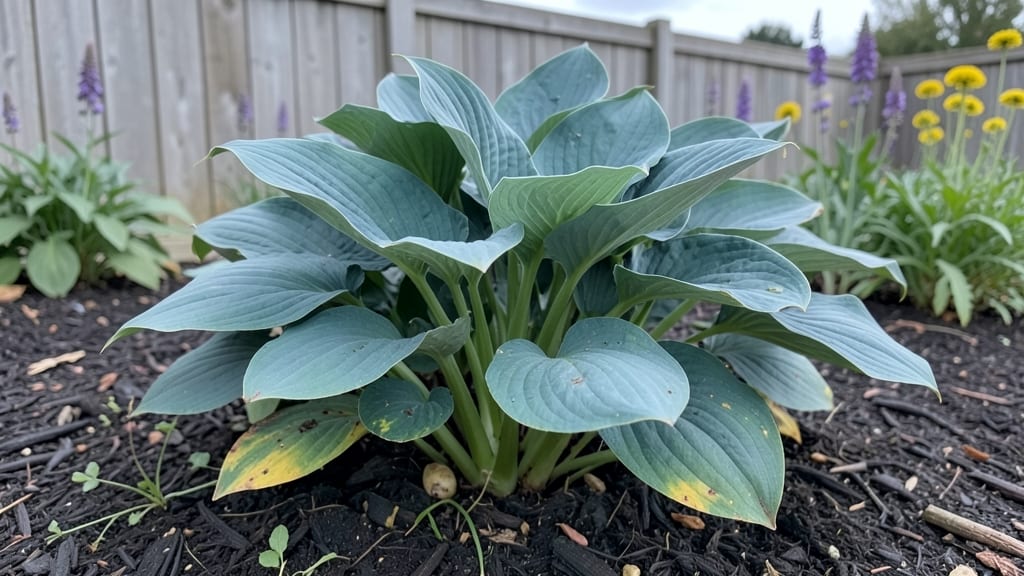
Perennial plants are the unsung heroes of gardening—they come back stronger every year, often with more vigor than their first season. 🌱 Unlike annuals that complete their life cycle in one growing season, perennials develop deep root systems that store nutrients, allowing them to survive harsh winters and bounce back when conditions improve.
This makes them perfect for gardeners who want long-term color and structure with minimal replanting. The trade-off? Some may require more patience upfront as they establish, but their reliability pays off for years.
What sets perennials apart isn't just their longevity but their adaptability. Many thrive in specific climates or soil types, which is why gardeners often choose varieties like coneflowers for drought tolerance or hostas for shade gardens.
The key is matching the right plant to your growing conditions—once established, they'll reward you with minimal maintenance and maximum impact.
💡 In This Article
- How Perennial Plants Survive Through Seasons
- Best Perennial Plants for Different Climates and Gardens
How perennial plants survive through seasons
The secret to a perennial's resilience lies in its deep root system, which can extend 3-5 feet underground in mature plants. Unlike annuals that rely on quick above-ground growth, perennials invest energy into developing thick, fibrous roots that store carbohydrates and nutrients.
These roots act like a biological battery, fueling regrowth when conditions improve. 🌱 For example, peonies develop roots that can live for decades, while daylilies form dense rhizomes that spread horizontally to create new shoots each spring.
During winter, perennials enter a state called dormancy, where metabolic processes slow dramatically. Some, like hostas, die back completely above ground but keep their roots alive, while others, such as lavender, retain woody stems that insulate their growing points.
The key is their ability to survive temperatures as low as -20°F without permanent damage. This dormancy isn't just passive—it's an active survival strategy where plants redirect energy to root storage, preparing for the next growing season.
When spring arrives, perennials use stored nutrients to produce new shoots from their roots or underground stems (like bulbs or tubers). This process, called regrowth, is triggered by temperature changes, moisture levels, and daylight hours.
For instance, coneflowers can sprout from roots that survived winter, while asparagus sends up spears from its extensive crown. The speed of regrowth varies—some perennials emerge within weeks, while others take months to fully recover, depending on their species and climate zone.
Annuals and biennials lack this root-based survival mechanism. Annuals complete their life cycle in one season, while biennials take two years to flower and set seed before dying. Perennials, however, can live for 5-10 years or even centuries (like creosote bushes in deserts).
This longevity comes at the cost of slower initial growth, as they prioritize root development over rapid above-ground expansion. The trade-off is worth it for gardeners seeking plants that return year after year with minimal replanting.
Consider the rhizomatous perennials like iris or switchgrass—they spread horizontally, creating new plants from their roots. Others, such as herbaceous perennials like black-eyed Susans, die back to the ground each winter but regrow from their crowns.
This diversity in survival strategies allows perennials to thrive in nearly every climate, from arctic tundras to tropical rainforests, making them the most adaptable plants in any garden. 💫