
Vegetables
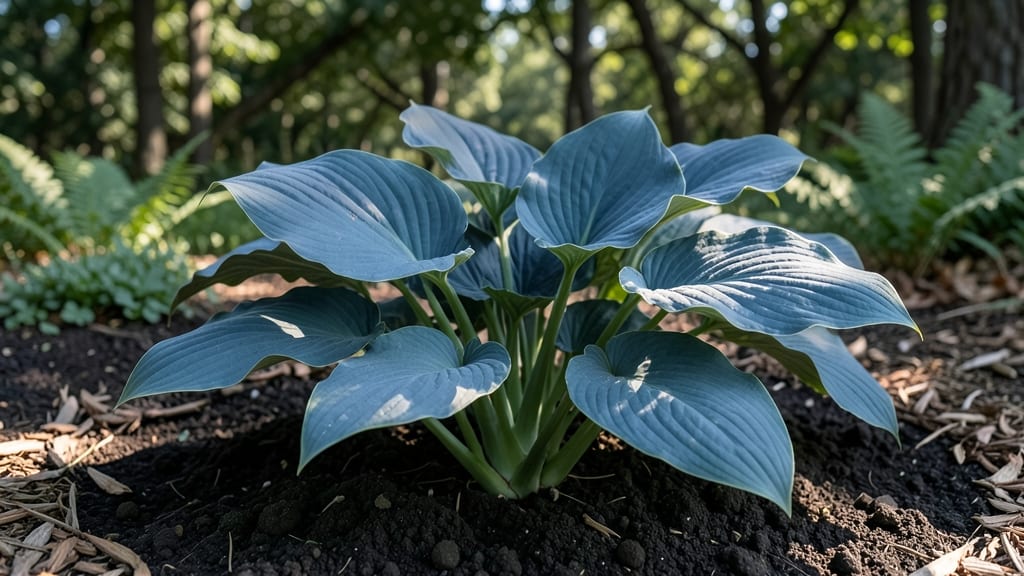
In 'perennial,' the prefix 'per' means 'through' or 'lasting,' signaling that these plants live for multiple years, regrowing from the same root system annually instead of dying after one season.
This Latin root isn't just about longevity—it describes a plant's ability to persist through changing seasons. 🌱 Unlike annuals that complete their life cycle in one year, perennials develop deep root systems that store energy, allowing them to push through winter dormancy and emerge stronger each spring.
Think of them as the marathon runners of the plant world, consistently returning year after year with minimal replanting needed.
What makes this especially useful for gardeners is how perennials adapt to their environment over time. Their established roots make them more drought-resistant once mature, and many develop unique seasonal foliage that annuals simply can't match.
The trade-off? Some perennials require more patience upfront—they often take 2-3 years to reach full bloom compared to annuals that burst into color immediately.
💡 In This Article
- The Botanical Meaning of 'Perennial' Plants
- How to Identify Perennial Plants in Your Garden
The botanical meaning of 'perennial' plants
The word "perennial" traces back to Latin roots where per- means "through" or "thoroughly," and annus means "year."
Botanically, this translates to plants that persist through multiple growing seasons, unlike their short-lived counterparts. 🌿 The key mechanism is their ability to regenerate from below-ground structures like rhizomes, tubers, or crowns—think of asparagus spears emerging from the same root system year after year, or peony flowers returning to their exact planting spot annually.
What sets perennials apart biologically is their development of specialized tissues. Many form woody stems or thickened roots that store carbohydrates and nutrients, acting like a plant's energy bank. During winter dormancy, these structures protect dormant buds containing next year's growth.
For example, hosta plants develop thick, fleshy roots that can survive -20°F temperatures, while herbaceous perennials like coneflowers die back to the ground but regrow from their root crowns each spring.
The growth cycle differs dramatically from annuals (one-season plants) and biennials (two-season plants). Annuals like marigolds complete their entire life cycle—seed, bloom, seed—in a single growing season, while biennials like carrots focus on root development in year one and flowering in year two.
Perennials, however, allocate energy differently: they prioritize root expansion and storage in early years, then produce flowers and seeds later as a secondary function. This explains why established perennials often flower more prolifically than when first planted.
Consider the case of lavender—a classic perennial. Its first year focuses on developing a robust root system, while subsequent years produce the fragrant spikes we associate with the plant. This delayed gratification contrasts sharply with annuals like zinnias, which bloom within weeks of planting.
The trade-off? Perennials typically require 2-3 years to reach their full potential compared to annuals that deliver immediate visual impact.
Even within perennials, there's variation in how they persist. Some like daylilies spread aggressively through rhizomes, while others like delphiniums grow from deep taproots.
This diversity means gardeners must consider both the plant's native climate and their own growing conditions—perennials from Mediterranean climates (like rosemary) may struggle in cold winters, while Arctic perennials (like Arctic willow) thrive in subzero temperatures.
What most gardeners don't realize is how perennials adapt their growth patterns to local conditions. Over time, they develop thicker bark, deeper roots, or more efficient water storage—traits that make them increasingly resilient.
This ecological strategy explains why established perennial gardens require less maintenance than annual beds: the plants themselves become self-sustaining systems. 🌱