
Mower
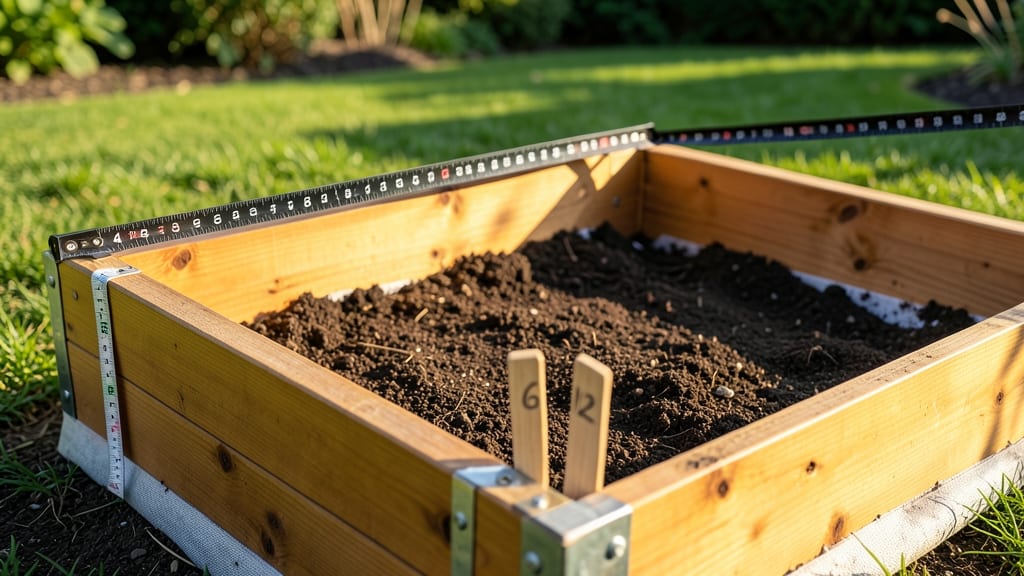
The standard raised bed size is 4 feet wide by 8 feet long, balancing ergonomic reach with material efficiency while maximizing growing space and drainage. This configuration lets you work from both sides and uses common lumber lengths for budget-friendly builds.
This 4x8-foot layout isn't arbitrary—it's engineered for human comfort and plant health. 🌱 Most adults can comfortably reach the center from either side without overstretching, making weeding and harvesting easier on your back.
The length also aligns perfectly with standard 8-foot lumber, cutting material costs while maximizing growing space. Plus, the width allows for proper plant spacing and drainage, which is crucial for healthy root development.
What's interesting is how this size adapts to different gardening needs. For smaller spaces, a 4x4-foot bed works well, while larger gardens might combine multiple 4x8 units for continuous planting. The key is maintaining that 4-foot width—it's the sweet spot for accessibility and soil management.
💡 In This Article
- Why 4x8-Foot Raised Beds Are the Gardener’s Gold Standard
- Customizing Standard Raised Bed Sizes for Different Gardens
Why 4x8-Foot raised beds are the gardener’s gold standard
The 4-foot width of standard raised beds is a game-changer for ergonomics. Most adults can comfortably reach the center from either side without overstretching, reducing strain on your back or knees.
Studies show that reaching beyond 12-18 inches from the center of a bed increases fatigue—this design eliminates that problem entirely. 🌱 For wheelchair users, the 4-foot width allows easy access from both sides, making gardening more inclusive.
The 8-foot length maximizes planting space while keeping the bed manageable for most gardeners to maintain.
Material efficiency is another key reason for this size. Standard lumber comes in 8-foot lengths, so a 4x8-foot bed uses two 4x8-foot boards for the sides, minimizing waste and cost. This also means fewer joints and connections, which reduces the risk of leaks or instability.
The depth of 6-12 inches (typical for raised beds) is ideal for root development while keeping soil weight manageable—lighter than in-ground beds but deeper than container gardens.
Drainage and soil health are directly tied to these dimensions. The 4-foot width ensures even water distribution, preventing soggy corners while allowing roots to spread without crowding. The 8-foot length creates a long, narrow footprint that drains better than wider, shorter beds, especially in clay-heavy soils.
This design also aligns with plant spacing guidelines—most vegetables need 12-24 inches of space, so an 8-foot length fits 3-6 plants per row, depending on the crop.
Yield is another factor. A 4x8-foot bed can produce 2-3 times more than an equivalent in-ground space due to better soil quality and fewer weeds. For example, you could grow 16-24 tomato plants (spaced 18 inches apart) in one bed, compared to just 8-12 in a 4x4-foot setup.
The longer length also allows for companion planting—pairing tomatoes with basil or carrots with onions—without overcrowding.
What’s often overlooked is how this size adapts to different climates. In hotter regions, the 4-foot width lets you shade the center with taller plants (like corn or sunflowers) while still accessing the edges.
In cooler areas, the 8-foot length can be oriented east-west to maximize sunlight exposure. The design even works for succession planting—divide the bed into 4-foot sections and rotate crops seasonally for continuous harvests.
For those with limited space, a 4x4-foot bed is a great alternative, but it sacrifices reach and yield. On the other end, larger beds (like 8x12 feet) require tools or teamwork to maintain.
The 4x8-foot strikes the perfect balance—accessible, efficient, and scalable. Whether you’re a beginner or a seasoned gardener, this size delivers the most bang for your buck. 💫