
Flowers
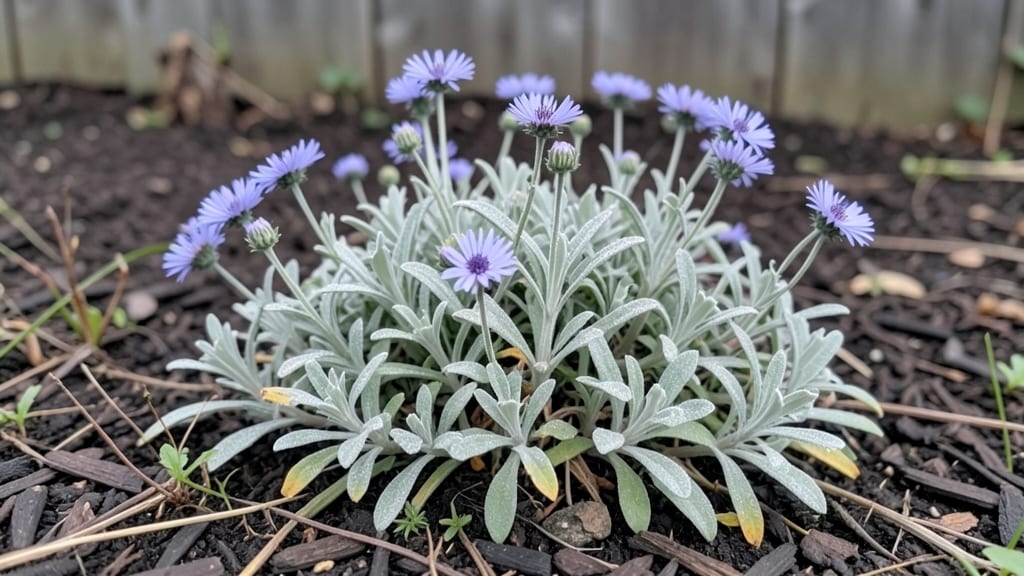
Growing Snow on the Mountain perennials means adding a silvery-white ground cover that thrives where most plants refuse to grow. ✨ I’ve watched this plant spread effortlessly across rocky slopes and shady corners, turning dull spaces into a velvety carpet that stays lush even after frost.
The secret isn’t complicated—it’s about matching its love for well-draining soil and cool climates.
This cold-hardy beauty handles everything from Zone 3 winters to summer droughts once established. You’ll need a sunny spot (or partial shade) and soil that drains fast—think sandy loam or amended clay.
Water lightly after planting, then let nature take over; overwatering is the only real enemy. In return, you get a plant that multiplies like wildfire, smothers weeds, and stays green through snow.
By late spring, the silver foliage turns chartreuse, then bursts with tiny white flowers that attract bees. The best part? It stays compact enough for borders but spreads aggressively enough to fill gaps in rock gardens.
Prune back in early spring if it gets too leggy, and you’ll have a tidy, thriving mat all season.
Perfect for slopes, between stepping stones, or as a living mulch under trees. Once it’s happy, it’s basically maintenance-free—just watch it transform your yard into a cool-toned, textured masterpiece. Ready to see why gardeners call this the "easy button" of ground covers?
📚 In This Guide
- What you need
- Instructions
- Tips and common mistakes
- Wrapping up and next steps
What you need
- ● Snow on the Mountain plants: 3–5 mature plants (for full coverage in a 3’x3’ area) or
- ● 1–2 lbs of seeds (for direct sowing, if starting from scratch)
- ● Soil amendments: 2–3 lbs of compost or well-rotted manure (per 10 sq ft)
- ● 1 cup of balanced fertilizer (10-10-10) or organic slow-release granules
- ● Mulch: 2–3 inches of shredded bark, straw, or pine needles (to retain moisture and suppress weeds)
- ● Garden trowel or hand shovel
- ● Pruners (sterilized with rubbing alcohol)
- ● Garden gloves (for protection and grip)
- ● Watering can or hose with a gentle spray nozzle
- ● Measuring tape or string (to mark planting areas)
- ○ Optional: Soil pH test kit (to ensure alkaline-friendly conditions, ideal pH 6.0–7.5)
- ● Sunlight: Full sun to partial shade (6+ hours of sunlight daily for best growth)
- ● Hardiness Zone: USDA Zones 3–9 (perfect for cold climates!)
- ● Soil type: Well-draining, slightly alkaline soil (amend with lime if needed)
- ● Spacing: 12–18 inches apart (for optimal airflow and spreading)
How to plant and maintain Snow on the Mountain perennial for year-round beauty
Here's the straightforward approach I've used to create lush, low-maintenance ground cover that thrives in winter.
🌱 Step 1: Choose the Perfect Planting Location
Snow on the Mountain thrives in partial shade to full sun, making it perfect for under trees or along north-facing walls. I always look for spots with 4+ hours of morning sun—this prevents the striking white variegation from fading. The plant handles dry shade beautifully, which is why I often use it to replace lawn in tough spots.
Test your soil by squeezing a handful—if it crumbles easily, it's ideal. If it feels compacted or clay-heavy, amend with 2-3 inches of compost before planting. This perennial spreads aggressively, so give it 3-4 feet of space in all directions to prevent it from overwhelming nearby plants.
🪴 Step 2: Plant in Well-Draining Soil
Dig holes twice as wide as the root ball but only as deep as the container's base. This prevents the plant from sitting too low, which can cause rot. I like to loosen the soil at the bottom of the hole with a fork—this helps roots establish faster in the first critical weeks.
Place the plant so the top of the root ball sits level with the surrounding soil. Press gently around the edges to remove air pockets, then water deeply until moisture reaches 6 inches down. The key here is patience—don't water again until the top 2 inches of soil feel dry to the touch.
☀️ Step 3: Water and Fertilize for Establishment
Keep the soil consistently moist for the first 4-6 weeks after planting. You'll know it's time to water when the surface looks dry and pulls away slightly from the pot edges. I use a soaker hose set on low to avoid disturbing the roots while watering.
Apply a balanced 10-10-10 fertilizer at half strength once in early spring and again in midsummer. This gives the plant just enough nutrients to spread without encouraging excessive leaf growth that can overwhelm the variegation. Stop fertilizing by late summer to allow the plant to harden off for winter.
✂️ Step 4: Prune and Divide as Needed
In early spring, trim back any brown or damaged foliage with clean pruners. I like to cut back about one-third of the oldest growth to encourage fresh, vibrant new shoots. This also prevents the plant from becoming too dense in the center, which can lead to fungal issues.
Every 3-4 years, divide the plant in early spring when new growth appears. Dig up sections with a sharp spade, making sure each piece has 3-4 healthy shoots. Replant the divisions immediately in prepared soil and water thoroughly. This keeps your Snow on the Mountain looking fresh and prevents it from becoming too crowded.
🌿 Step 5: Enjoy Year-Round Interest
Once established, Snow on the Mountain needs very little care. It thrives in USDA zones 3-9, making it one of the most cold-hardy ground covers available. The white variegation remains striking even in winter, providing contrast against snow or evergreen shrubs.
Watch for powdery mildew in humid climates—this is the only real pest issue. If you see white dust on leaves, spray with a neem oil solution (1 tablespoon per gallon of water) in the evening to avoid burning the foliage. With proper spacing and care, your Snow on the Mountain will spread naturally, creating a beautiful, low-maintenance carpet that stays lush all year long.
Tips & tricks for perfect Snow on the Mountain perennial planting
A few key strategies will help you create a stunning, low-maintenance ground cover that thrives year-round.
Location is Everything: Pay special attention to Step 1's morning sun requirement. The white variegation fades dramatically in full afternoon sun, so prioritize eastern exposures or dappled shade patterns. I've seen the most vibrant plants under deciduous trees where they get morning light but afternoon shade during summer months.
Soil Prep Secret: When amending clay-heavy soil in Step 1, mix in 2-3 inches of compost and spread a thin layer of coarse sand at the bottom of the planting hole. This creates better drainage while maintaining moisture—critical for root establishment. I've found this prevents that dreaded "soggy bottom" rot that can kill new plantings.
Watering Wisdom: The 4-6 week moist soil window in Step 3 is non-negotiable for root development. Use your finger to check moisture—if the top 2 inches feel dry, it's time to water. I've learned the hard way that inconsistent watering leads to weak roots that can't support the plant's aggressive spreading habit later.
Pruning Precision: In Step 4, when cutting back one-third of oldest growth, focus on the center of the plant first. This creates airflow that prevents fungal issues while encouraging fresh growth from the outer edges. I use clean pruners and always sterilize them with rubbing alcohol between cuts to prevent disease spread.
Pro Tips for Snow On The Mountain Perennial
- A few key strategies will help you create a stunning, low-maintenance ground cover that thrives year-round.
- Location is Everything: Pay special attention to Step 1's morning sun requirement.
- Soil Prep Secret: When amending clay-heavy soil in Step 1, mix in 2-3 inches of compost and spread a thin layer of coarse sand at the bottom of the planting hole.
Frequently asked questions
Got questions about growing Snow on the Mountain perennial? You’re not alone! This cold-hardy ground cover is a favorite, but it’s natural to wonder about care, timing, and troubleshooting. Below, we tackle the most common queries to help you cultivate a lush, winter-resistant landscape.
What’s the best time to plant Snow on the Mountain?
Plant in early spring or fall for ideal results. Spring gives roots time to establish before summer heat, while fall planting lets them settle before winter dormancy. Avoid planting in extreme heat or cold—aim for 50–70°F (10–21°C) soil temps for best success.
How cold-hardy is Snow on the Mountain, really?
This perennial thrives in USDA Zones 3–9, making it one of the toughest ground covers for harsh winters. It handles sub-zero temperatures and even snow cover without browning. Just avoid soggy, waterlogged soil in winter to prevent rot.
Why isn’t my Snow on the Mountain spreading like it should?
Slow spread? Check these fixes:
- Light: It needs partial to full sun (6+ hours/day). Too much shade = leggy growth.
- Soil: Amend heavy clay with compost for better drainage.
- Water: Keep soil consistently moist but not soggy during the first growing season.
- Patience: It spreads via rhizomes—give it 2–3 years to fill in.
Are there any pests or diseases I should watch for?
Snow on the Mountain is disease-resistant, but watch for:
- Slugs/snails: Young plants may get munched. Use beer traps or diatomaceous earth.
- Powdery mildew: Rare, but if leaves look dusty, improve airflow and avoid overhead watering.
- Deer: They usually ignore it, but a repellent spray can deter browsers.
Can I grow Snow on the Mountain in containers or as a border?
It’s perfect for containers (use 12"+ pots) or as a spiller in borders. Just ensure containers have drainage holes and use a well-draining potting mix. In containers, it may spread slower but still delivers that signature silvery-white foliage.
Pro Tip:
For a showstopping contrast, pair Snow on the Mountain with purple or blue flowers (like catmint or salvia). The silver-and-blue combo is pure magic in any garden!
Wrapping up and next steps
Transforming your garden with snow on the mountain perennial is a game-changer—its stunning foliage, resilience, and effortless spread make it a dream for any outdoor space. 🌿 Whether you're a seasoned gardener or just starting, this cold-hardy beauty proves that stunning landscapes don’t require constant upkeep.
Ready to elevate your garden? Start by selecting the perfect spot, gathering your supplies, and diving in—your future shady oasis awaits!
Next step: Grab your gloves and get planting! 🌱 Tag us in your before-and-after shots—we’d love to see your magical transformation!