
Blooming
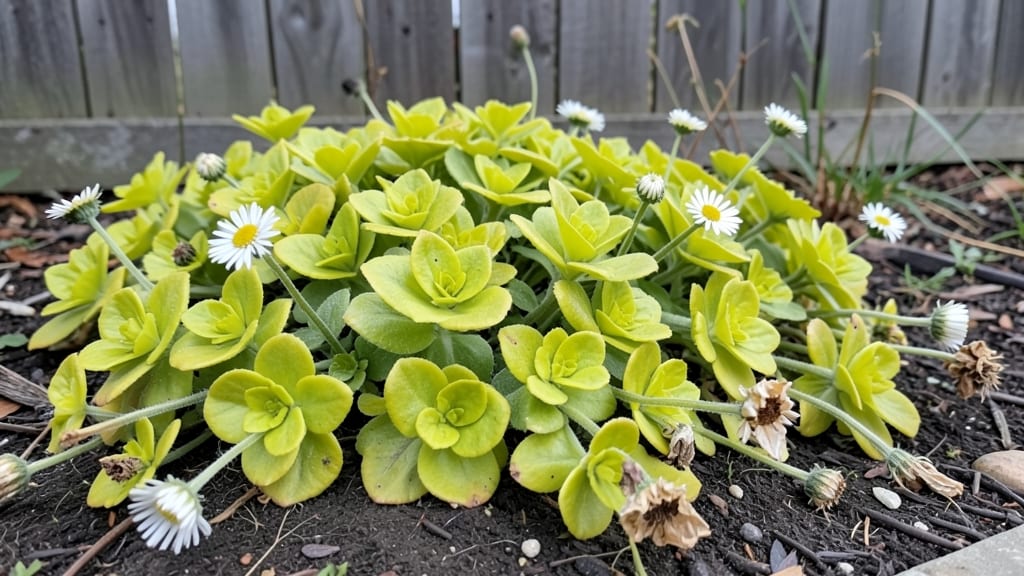
Growing Snow in Summer perennials transforms any garden into a soft, cloud-like wonderland that never needs deadheading. ✨ The first time I saw its silvery foliage dusted with tiny white flowers, I knew it was the perfect plant for low-maintenance beauty—it blooms from spring to frost with almost no effort from me.
This hardy perennial thrives in zones 3-9, making it one of the most versatile choices for borders, rock gardens, or even containers. It loves full sun to partial shade and tolerates poor soil, drought, and even rocky conditions—ideal for spots where other plants struggle.
The secret to its success? Plant it in well-draining soil and water lightly, letting the roots stay dry between waterings.
You’ll love how it stays lush and fragrant all season, attracting pollinators without requiring constant pruning. The silvery leaves add texture, while the flowers create a dreamy, snow-like effect that lasts until winter. Once established, it’s nearly indestructible—perfect for busy gardeners who want effortless charm.
Whether you’re filling gaps in a border or adding height to a rock garden, Snow in Summer delivers year-round interest with minimal care. Let’s get yours planted—it’s easier than you think!
📚 In This Guide
- What you need
- Instructions
- Tips and common mistakes
- Wrapping up and next steps
What you need
- ● Snow-in-Summer Plants: 3–5 mature plants (for full coverage, space 12–18 inches apart)
- ● OR seeds (sow ¼–½ inch deep, 6–12 inches apart)
- ● Well-Draining Soil: Mix 1 part potting soil with 1 part perlite or coarse sand (for containers or poor soil).
- ● Sunlight Spot: Full sun (6+ hours/day) or partial shade (4–6 hours).
- ● Watering Can or Hose: With a gentle spray nozzle for even moisture.
- ○ Mulch (Optional): 1–2 inches of gravel or pebbles to retain moisture and suppress weeds.
- ● Garden Trowel or Transplant Spade: For digging holes (6 inches deep).
- ● Pruning Shears: Sharp, sterilized shears for trimming (if needed).
- ○ Gloves (Optional): To protect hands from soil or thorns.
- ○ pH Test Kit (Optional): Ideal soil pH: 6.0–7.0 (slightly acidic to neutral).
- ○ Fertilizer (Optional): Balanced 10-10-10 or slow-release granules (sprinkle lightly at planting).
Step-by-Step instructions for planting and maintaining snow-in-summer perennials
This hardy beauty thrives with minimal fuss—just follow these steps for reliable blooms.
🌱 Step 1: Select and Prepare the Planting Site
Choose a location with partial to full shade—this plant despises intense afternoon sun, which scorches its delicate foliage. I always test the spot by observing how much direct sunlight it gets between 10 AM and 4 PM. If the area stays in shade for at least half that window, it’s perfect.
Amend the soil with 2-3 inches of compost mixed into the top 12 inches of native soil. Snow-in-summer prefers moist, well-draining soil with a slightly acidic to neutral pH (6.0-7.5). If your soil is heavy clay, add 1 part perlite to 3 parts soil to improve drainage—this prevents root rot, which is the plant’s biggest enemy.
🪴 Step 2: Plant Bare-Root or Container-Grown Specimens
Dig holes twice as wide and just as deep as the plant’s root ball. Gently loosen the roots if they’re circling in a container—this encourages outward growth. Place the plant in the hole so the top of the root ball sits level with the surrounding soil (never buried deeper). Press the soil firmly around the roots to eliminate air pockets.
Water deeply right after planting to settle the soil and remove any air gaps. You’ll know it’s done correctly when water drains freely from the bottom of the hole—no puddling. Mulch with 2-3 inches of organic mulch (like shredded bark) around the base, keeping it 2 inches away from the stem to prevent rot.
☀️ Step 3: Establish Watering and Light Routines
Keep the soil consistently moist but never soggy for the first 4-6 weeks after planting. Water deeply every 2-3 days until the top 2 inches of soil feel dry to the touch. Overwatering causes yellowing leaves, while underwatering leads to wilting—both are easy to fix by adjusting your schedule.
Once established, snow-in-summer tolerates drought conditions surprisingly well, but it rewards consistent moisture with longer bloom seasons. If your summers are hot and dry, water once a week during peak heat, then reduce to every 10-14 days in cooler months. The plant’s fragrant, white flowers will signal when it’s happy—more blooms mean you’ve got the balance right.
✂️ Step 4: Prune and Maintain for Year-Round Interest
Skip deadheading—this is the plant’s magic trick! Snow-in-summer blooms continuously because it self-cleans, dropping old flowers naturally. Instead, focus on light pruning in early spring to remove any dead or damaged stems at the base. Cut back 1/3 of the oldest stems to encourage fresh growth—this keeps the plant compact and bushy.
In late fall, trim back any remaining foliage to 2-3 inches above the ground. This prevents disease buildup in the crown and makes winter cleanup effortless. The plant’s evergreen leaves often stay intact through mild winters, adding texture even when not in bloom.
🌿 Step 5: Fertilize and Monitor for Pests
Apply a balanced, slow-release fertilizer (10-10-10) in early spring, right as new growth appears. I use about 1/4 cup per plant, worked into the soil around the base. Avoid high-nitrogen fertilizers—they promote leafy growth at the expense of flowers. If you notice fewer blooms than usual, cut fertilizer use in half and focus on light and moisture adjustments instead.
Watch for aphids or spider mites, which occasionally target stressed plants. Spray infested areas with neem oil (mixed as directed) or insecticidal soap—both are safe and effective. A strong spray of water from the hose also dislodges pests without chemicals. Healthy plants rarely have issues, so proactive care (like proper watering and mulching) keeps problems at bay.
Tips & tricks for perfect snow-in-summer perennials
These pro strategies will help you coax the most vibrant blooms and longest seasons from your snow-in-summer plants—without the fuss of deadheading.
Soil Prep Secret: When amending your soil in Step 1, I recommend adding a handful of worm castings to the compost mix. These provide natural microbial activity that helps roots absorb moisture more efficiently during that critical 4-6 week establishment period. The plant's shallow root system benefits from this extra biological boost, especially in clay-heavy soils where drainage is a concern.
Planting Technique: In Step 2, don't overlook the importance of that 2-inch mulch barrier around the stem. I've learned the hard way that letting mulch touch the stem creates the perfect environment for fungal diseases. Use a small trowel to create a slight depression around the base before adding mulch—this keeps stems dry while maintaining moisture in the soil.
Watering Wisdom: For the every 2-3 days watering schedule in Step 3, I've found that morning watering yields the best results. Watering in the early hours allows foliage to dry completely before evening, reducing the risk of fungal issues. If you notice leaves curling during hot afternoons, that's your plant's way of telling you it needs more frequent watering—just increase to daily until it stabilizes.
Pruning Pro Tip: When cutting back those 1/3 of oldest stems in Step 4, make clean cuts at a 45-degree angle just above a leaf node. This encourages faster regrowth and prevents water from pooling on cut surfaces. I always sterilize my pruners with rubbing alcohol between cuts to minimize disease transmission—especially important when working with evergreen foliage that stays in place year-round.
Pro Tips for Snow In Summer Perennial
- These pro strategies will help you coax the most vibrant blooms and longest seasons from your snow-in-summer plants—without the fuss of deadheading.
- Soil Prep Secret: When amending your soil in Step 1, I recommend adding a handful of worm castings to the compost mix.
- Planting Technique: In Step 2, don't overlook the importance of that 2-inch mulch barrier around the stem.
Frequently asked questions
Can I grow Snow in Summer in hot climates?
Snow in Summer (Cerastium tomentosum) thrives in USDA Zones 3-9, making it perfect for both cold winters and hot summers! It loves full sun to partial shade and tolerates heat well as long as it’s planted in well-draining soil. Mulch lightly in summer to retain moisture without smothering the plant.
Why isn’t my Snow in Summer blooming year-round?
This hardy perennial should bloom almost nonstop, but a few factors can pause the show:
- Too much shade – Needs at least 4-6 hours of sunlight daily.
- Over-fertilizing – Too much nitrogen = lush foliage, fewer flowers.
- Stress from heat/drought – Water deeply 1-2x/week in dry spells.
Does Snow in Summer need winter care?
Not much! It’s a perennial superstar that handles frost like a champ. In Zone 3-5, a thin layer of mulch (1-2 inches) protects roots from extreme cold. In warmer zones (6-9), it may even bloom lightly in winter if temps stay mild. No deadheading needed!
What’s a good alternative if I want year-round color but less fuss?
If Snow in Summer feels high-maintenance (it’s not!), try these low-fuss, self-cleaning perennials:
- Lamb’s Ear (Stachys byzantina) – Silvery foliage, drought-tolerant, no deadheading.
- Catmint (Nepeta) – Blooms spring to fall, deer-resistant.
- Ice Plant (Delosperma) – Thrives in heat, succulent-like and colorful.
Pests or diseases: What should I watch for?
Snow in Summer is disease-resistant, but watch for:
- Spider mites – Tiny webs on leaves? Spray with water or neem oil.
- Powdery mildew – Caused by poor airflow. Space plants 12-18 inches apart.
- Slugs/snails – Rare, but they’ll nibble young shoots. Use beer traps or diatomaceous earth.
Wrapping up and next steps
Growing a snow-in-summer perennial is a rewarding way to enjoy fragrant, low-maintenance blooms that thrive year-round—without the hassle of deadheading! 🌸 Whether you’re a seasoned gardener or just starting, this resilient plant proves that beauty and simplicity go hand in hand.
With the right care and a little patience, you’ll soon have a garden filled with delicate, snow-white flowers that brighten every season.
Ready to take the next step? Start by planting one (or a few!) in your garden this spring—your future blooms will thank you. Happy gardening! 🌿