
Landscaping
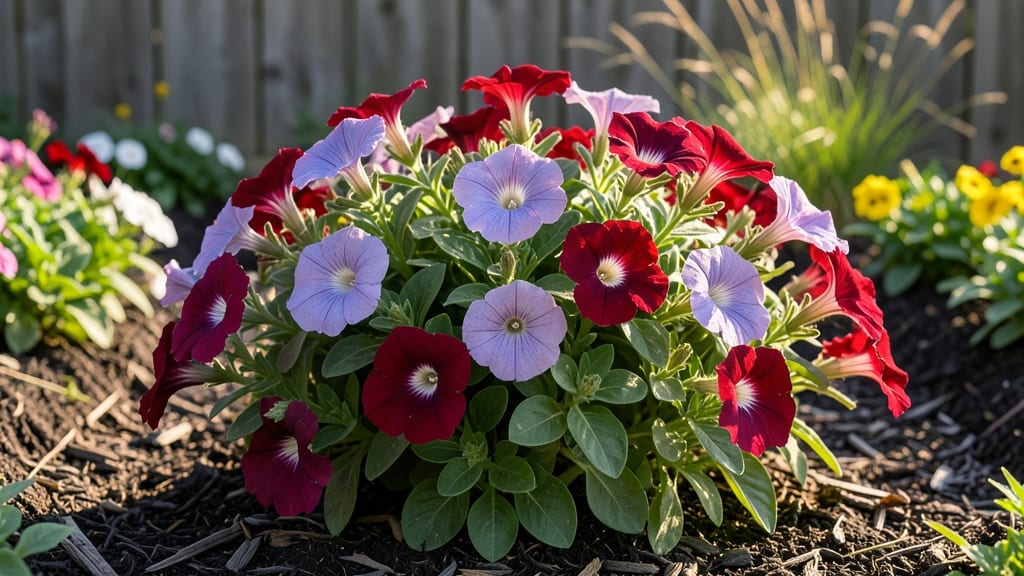
A small flower bed in front of your house can transform your curb appeal with minimal effort—just the right plants and a little design thought. 🌸 I used to think front yards needed elaborate designs, but a simple, well-placed bed with low-maintenance blooms makes a bigger impact than most people realize.
The key is choosing plants that thrive in your sunlight and climate while keeping colors cohesive for a polished look.
Start with a clean outline—whether it's a simple rectangle, curved edge, or even a raised bed. Use mulch to keep weeds down and add a cohesive border with stones, bricks, or even metal edging.
Perennials like coneflowers, black-eyed Susans, and daylilies return year after year with bold colors and minimal upkeep, while annuals like petunias or marigolds add instant pops of color for seasonal interest.
You’ll end up with a front yard that looks intentionally designed, not just planted. The right combination of heights, textures, and blooming seasons ensures your bed stays vibrant from spring through fall. Plus, the low-maintenance approach means you spend more time enjoying the view than weeding.
This works for any home—whether you have a narrow strip, a small square, or even a tiered bed. The principles stay the same: keep it simple, focus on what you love, and let the plants do the rest. Here’s how to make it happen without the hassle.
📚 In This Guide
- What you need
- Instructions
- Tips and common mistakes
- Wrapping up and next steps
What you need
- ● Soil: 1–2 bags of high-quality garden soil or potting mix (1–2 cubic feet, depending on bed size). Look for a blend labeled for flowers or perennials.
- ● Mulch: 1–2 bags of organic mulch (e.g., shredded bark or pine straw) to retain moisture and suppress weeds.
- ● Plants: 3–5 low-maintenance perennials (e.g., lavender, coneflowers, or daylilies) for long-term color.
- ● 2–3 annuals (e.g., pansies, petunias, or marigolds) for quick seasonal blooms.
- ● 1–2 shrubs or ornamental grasses (e.g., dwarf boxwood or fountain grass) for structure.
- ● Edging: Flexible landscape edging (10–20 feet, depending on bed shape) or bricks/stones for a defined border.
- ● Tools: Garden trowel or hand shovel
- ● Garden fork or spade
- ● Pruners (for trimming plants)
- ● Garden hose with spray nozzle
- ○ Wheelbarrow (optional, for hauling soil)
- ● Fertilizer: Slow-release granular fertilizer (e.g., 10-10-10) or organic compost to boost plant health.
- ● Decorative Elements: Garden stakes or obelisks for climbing plants (e.g., clematis)
- ● Solar-powered garden lights for evening charm
- ● Decorative rocks or pebbles for texture
- ● Watering System: A soaker hose or drip irrigation kit to automate watering.
- ● Knee Pads or Gloves: For comfort while working!
Step-by-step guide to designing a low-maintenance front flower bed
Here’s how to create a vibrant, welcoming flower bed that thrives with minimal effort.
🪴 Step 1: Plan Your Layout and Choose Plants
Sketch a rough design on paper first—most front beds look best with a 3-foot-wide central strip flanked by 2-foot-wide side sections. This creates a balanced, inviting look without overwhelming your space. I always start by placing the tallest plants (like black-eyed Susans or coneflowers) at the back, then medium-height blooms (like daylilies or salvias) in the middle, and low-growing ground covers (like creeping thyme or ajuga) at the front.
For a low-maintenance bed, pick plants with similar water needs—group drought-tolerant varieties (like lavender or sedum) together and moisture-loving flowers (like impatiens or hostas) in another section. This prevents overwatering or underwatering. I like to include 3-5 different types of perennials for year-round interest, plus 2-3 annuals for quick color pops in spring and summer.
🌱 Step 2: Prepare the Soil and Amend as Needed
Clear the area of grass, weeds, or debris, then loosen the soil to a depth of 6-8 inches using a garden fork or tiller. If your soil is heavy clay or sandy, mix in 2-3 inches of compost to improve drainage and fertility. I test the soil pH first—most flowers thrive in slightly acidic to neutral (6.0-7.0) soil, but blueberries or hydrangeas need more acidic (5.0-6.0).
For a 4-foot-by-8-foot bed, spread 1-2 bags of compost evenly over the area and work it into the top 6 inches of soil. Avoid fresh manure—it can burn roots. If your soil drains poorly, add a 1-inch layer of perlite or coarse sand to improve aeration. Water the amended soil deeply to help everything settle before planting.
☀️ Step 3: Plant with Spacing and Mulch for Protection
Dig holes twice as wide as the root ball and just as deep—this prevents burying stems too deeply, which can rot. Space perennials 12-24 inches apart (check plant tags for exact spacing) and annuals 6-12 inches apart. I like to plant in odd-numbered groups (3, 5, or 7 plants) for a natural, full look instead of straight rows.
After planting, spread 2-3 inches of mulch (like shredded bark or pine straw) over the soil, keeping it 2 inches away from plant stems to prevent moisture buildup. Mulch locks in moisture, suppresses weeds, and regulates soil temperature. Water deeply right after mulching to help roots establish. For the first 2-3 weeks, check soil moisture daily—it should feel damp but not soggy.
💧 Step 4: Water and Maintain for Long-Term Beauty
Water new plants every other day for the first 2 weeks, then taper to 2-3 times per week once established. Most flowers need 1 inch of water per week, either from rain or irrigation. I water in the early morning to reduce evaporation and fungal diseases. Avoid overhead watering—it can spread disease, so use a soaker hose or drip irrigation for precision.
Deadhead spent blooms regularly to encourage more flowers and prevent self-seeding weeds. In late fall, cut back perennial stems to 2-3 inches tall and add a fresh layer of mulch. This protects roots over winter and keeps the bed tidy. Fertilize lightly in early spring with a balanced, slow-release fertilizer (like 10-10-10) to support new growth.
✂️ Step 5: Refresh and Rotate Plants Seasonally
Every 2-3 years, divide overcrowded perennials in early spring or fall to rejuvenate their growth. Replace any struggling plants with new varieties for a fresh look. I rotate 1-2 annuals each season—like pansies in spring, geraniums in summer, and mums in fall—to keep the bed vibrant without constant maintenance.
Prune leggy or overgrown plants in late winter to shape the bed and encourage bushier growth. If pests (like aphids or slugs) appear, treat with neem oil or diatomaceous earth instead of chemical sprays to keep the garden eco-friendly. A monthly check for weeds, wilting leaves, or pests keeps small issues from becoming big problems.
Tips & tricks for designing a low-maintenance front flower bed
Here's what nobody tells you about creating a front flower bed that actually thrives with minimal fuss.
The Plant Placement Secret: When arranging your 3-foot-wide central strip and 2-foot-wide side sections, I've found that planting in odd-numbered groups (3, 5, or 7 plants) creates a much more natural, full look than straight rows. This technique prevents that "planted by the numbers" appearance while still maintaining the structured layout perfect for curb appeal. The key is to place your tallest plants like black-eyed Susans or coneflowers at the back first—this prevents them from towering over everything else as they grow.
Soil Prep Shortcut: For that 4-foot-by-8-foot bed, don't overthink the compost quantity. While the instructions call for 1-2 bags, I've discovered you can actually get away with just 1 bag if you work it into the top 6 inches thoroughly. The critical part is mixing it well with your existing soil—this ensures even distribution of nutrients. If you're working with heavy clay soil, add that 1-inch layer of perlite or coarse sand right after loosening the soil to a depth of 6-8 inches. This single step can dramatically improve drainage without requiring expensive amendments.
Mulching Like a Pro: The 2-3 inches of mulch you spread after planting serves three crucial purposes, but most people only think about weed suppression. Here's the thing: that mulch layer also regulates soil temperature and locks in moisture. For maximum effectiveness, keep it 2 inches away from plant stems to prevent moisture buildup that can cause rot. I've noticed that pine straw works particularly well for this because it breaks down slowly while still allowing water to penetrate. After applying, water deeply to help everything settle—this is when you'll see the biggest difference in root establishment during those first critical 2-3 weeks.
Watering Wisdom: The instructions mention watering every other day for the first 2 weeks, but here's what I've learned: timing matters just as much as frequency. Watering in the early morning gives plants time to absorb moisture before the heat of the day. I've found that using a soaker hose or drip irrigation system makes all the difference—it delivers water right to the roots without wetting the leaves, which helps prevent fungal diseases. The goal is to keep the soil damp but not soggy, and that consistent moisture is what helps your plants establish strong root systems.
Pro Tips for Small Flower Bed In Front Of House
- Here's what nobody tells you about creating a front flower bed that actually thrives with minimal fuss.
- This technique prevents that "planted by the numbers" appearance while still maintaining the structured layout perfect for curb appeal.
- Soil Prep Shortcut: For that 4-foot-by-8-foot bed, don't overthink the compost quantity.
Frequently asked questions
Got questions about creating or maintaining a small flower bed in front of your house?
Here are some of the most common ones—plus quick, practical answers to help you get started or troubleshoot like a pro!
What’s the best time of year to plant a small flower bed?
For most regions, spring (after the last frost) or early fall are ideal—soil is warm, and plants establish roots before extreme weather. Perennials (like lavender or coneflowers) thrive when planted in spring, while annuals (e.g., petunias) can go in late spring for instant color. Check your zone for precise timing!
How often should I water a small front-yard flower bed?
Water deeply 1–2 times per week (early morning is best) to encourage strong roots. Newly planted flowers need daily watering for 2 weeks, then taper off. Mulch helps retain moisture—just avoid piling it against stems. Drought-tolerant plants (like succulents or sedum) need less, but check soil moisture with your finger!
Can I use a small flower bed to hide an ugly fence or utility box?
Absolutely!
Tall grasses (e.g., ornamental Miscanthus), climbing roses, or lush shrubs like hydrangeas create a natural screen. For utility boxes, try upright perennials (like foxgloves) or trellised vines to draw attention upward. Layer plants for a fuller, more intentional look.
What do I do if bugs or pests invade my flower bed?
Start with prevention: Healthy soil (rich in compost) and diverse plantings deter pests. For common culprits:
- Aphids: Spray with soapy water or introduce ladybugs.
- Slugs/snails: Use copper tape or beer traps (yes, really!).
- Japanese beetles: Handpick early morning or use neem oil.
What are some low-maintenance flowers for a small bed?
If you want color without the upkeep, try these winners:
- Lavender: Drought-resistant, fragrant, and blooms all summer.
- Black-eyed Susans: Tough perennials that thrive in sun.
- Sedum (Stonecrop): Succulent-like, needs almost no water.
- Russian Sage: Purple spikes that attract butterflies.
How do I prepare my flower bed for winter?
Start by cutting back dead foliage (but leave seed heads for birds!). Mulch 2–3 inches deep around perennials to insulate roots. For tender plants (like geraniums), dig up and store pots indoors or cover with frost cloth. Spring-cleaning in early March will wake up your bed!
Wrapping up and next steps
A small flower bed in front of your house is more than just a touch of greenery—it’s a low-maintenance, high-impact way to boost curb appeal and create a welcoming first impression. 🌸 With the right plants, soil prep, and a dash of creativity, you can transform even the tiniest space into a charming, thriving garden that requires minimal upkeep.
Ready to take the next step? Start by sketching your design, gathering your supplies, and diving in—your future neighbors (and your future self) will thank you! Whether you’re a seasoned gardener or a beginner, every little bloom makes a difference. Happy planting! 🌱