
Flowers
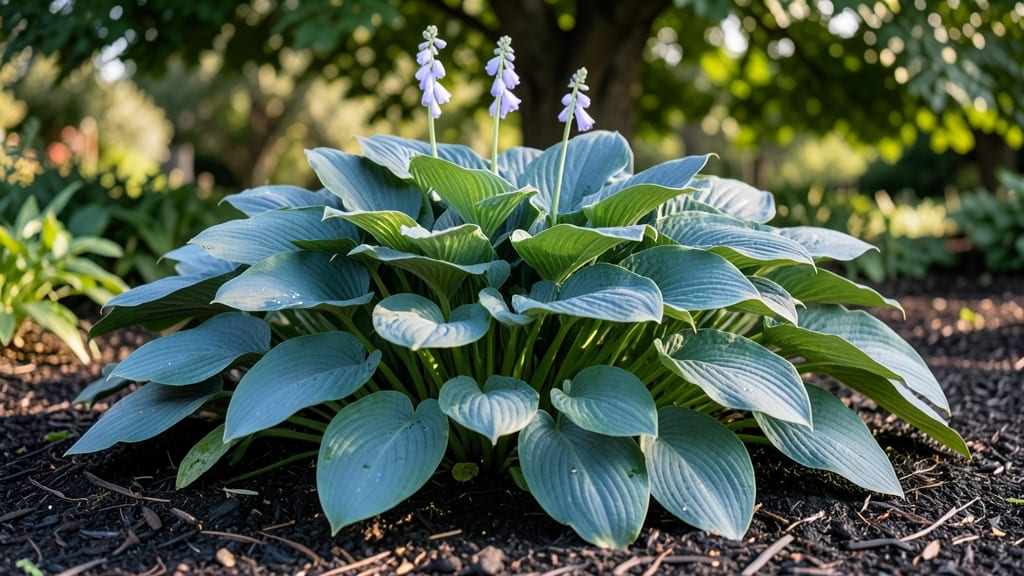
Shade low maintenance perennial flowers can transform your darkest corner into a lush, vibrant retreat without the fuss. 🌿 I’ve designed shade gardens that stay stunning from spring through fall, using plants that drink less, spread gently, and bloom reliably—no deadheading or staking required.
The secret lies in pairing the right colors and textures so they complement each other naturally, while their deep roots handle drought once established.
Start with a mix of heights and leaf textures—think velvety hostas paired with airy astilbes and bold ligularia. These perennials thrive in dappled light or full shade, and their layered foliage creates depth even when flowers fade.
A 3-inch layer of mulch keeps roots cool and moisture locked in, cutting watering to once a week during dry spells. The best part? Most of these plants return year after year, saving you time and money.
Imagine a garden where deep purples, creamy whites, and rich greens create a serene backdrop for evening strolls. Hostas and ferns provide structure, while hellebores and bleeding hearts add early-season drama.
By late summer, astilbes and Japanese anemones take over with feathery plumes and delicate blooms. The result? A space that feels alive but never overwhelming—just effortless beauty that keeps giving.
This design works for any shaded spot, from woodland edges to city patios. Whether you’re filling a 6-foot border or a small container, the same principles apply: choose plants that love shade, layer them thoughtfully, and let their natural habits do the rest.
Ready to see how these perennials can work in your space?
📚 In This Guide
- What you need
- Instructions
- Tips and common mistakes
- Wrapping up and next steps
What you need
- ● Shade-tolerant perennial flowers: 5–10 plants of Hosta (e.g., 'Blue Angel' or 'Halcyon') – 1–2 per square foot
- ● 3–5 Astilbe (e.g., 'Fanal' or 'Deutschland') – 1 plant per 1–2 sq ft
- ● 3 Heuchera (e.g., 'Palace Purple' or 'Lime Rickey') – 1 plant per 1–1.5 sq ft
- ● 3 Bleeding Heart (Dicentra spectabilis) – 1 plant per 2 sq ft
- ○ Optional: Lungwort (Pulmonaria) or Foxglove (Digitalis) for extra texture
- ● Soil amendments: 2–3 bags (50 lbs each) of well-draining potting mix or compost
- ● 1 bag (40 lbs) of organic mulch (e.g., shredded bark or pine needles)
- ● Tools: 1 garden trowel (for planting)
- ● 1 pruning shears (for cleanup)
- ● 1 garden hose with spray nozzle or watering can
- ● 1 gloves (to protect your hands)
- ○ Optional: soil pH test kit (to ensure acidity/alkalinity is ideal, 6.0–7.0)
- ● Location: A spot with 2–6 hours of dappled or filtered sunlight daily (avoid deep, dark shade).
- ● Water access: A nearby water source for deep watering 1–2 times per week (adjust for drought).
- ● Time commitment: 30–60 minutes monthly for mulching, pruning, and light maintenance.
- ● Patience: Most perennials establish in 1–2 years—blooms may take time!
Step-by-step guide to planting shade-loving perennials
Here's how to create a lush, no-fuss garden that blooms reliably with minimal effort.
🌱 Step 1: Choose the Right Location and Soil
Select a spot that receives less than 4 hours of direct sunlight daily—these plants thrive in dappled shade or full shade. Test the area by observing how sunlight moves through trees or nearby structures over a week. The ideal location should stay consistently moist but not waterlogged, as these perennials dislike soggy roots.
Amend the soil with 2-3 inches of compost to improve drainage and fertility. Work it into the top 6 inches of soil using a garden fork. If your soil is heavy clay, mix in 1 part perlite or coarse sand to help roots breathe. The goal is loose, crumbly soil that holds moisture without compacting—think of it as adding fluff to dense soil.
🌿 Step 2: Plant Bare-Root or Container-Grown Perennials
Dig holes twice as wide as the root ball but only as deep as the container or root system. Gently remove plants from their containers and loosen any circling roots with your fingers. If planting bare-root perennials, soak the roots in lukewarm water for 10-15 minutes before placing them in the hole—this jumpstarts hydration and reduces transplant shock.
Position the plant so the top of the root ball sits just below soil level—never deeper, or the crown may rot. Fill the hole with soil, pressing lightly around the edges to eliminate air pockets. Water deeply until the soil is evenly moist to a depth of 6 inches. You’ll know it’s right when water pools slightly but doesn’t puddle.
☀️ Step 3: Mulch and Monitor for First Growth
Spread 2-3 inches of mulch (like shredded bark or wood chips) over the soil surface, keeping it 2 inches away from plant stems to prevent rot. This mulch layer conserves moisture, regulates soil temperature, and suppresses weeds—critical for low-maintenance gardens. Water lightly after mulching to settle it in place.
Check soil moisture once a week by sticking your finger 1 inch deep. If it feels dry, water slowly until moisture reaches 6 inches down. Avoid overhead watering, which can spread disease. You’ll see new growth within 3-4 weeks, signaling the plants have established roots. At this stage, they’ll need water only when the top 2 inches of soil feel dry.
✂️ Step 4: Prune and Maintain Through Seasons
In early spring, trim back any dead or damaged foliage to encourage fresh growth. For most shade perennials, deadheading spent blooms isn’t necessary—they’ll rebloom naturally. However, if you notice leggy stems or overcrowding, snip them back by one-third to redirect energy to flowering. Use clean, sharp pruners to avoid tearing stems.
Fertilize lightly in early spring with a balanced, slow-release fertilizer (like 10-10-10) if your soil isn’t rich. Too much fertilizer can lead to lush foliage but fewer blooms. Once established, these perennials rarely need feeding. In fall, add a 1-inch layer of compost around the base to replenish nutrients for next year’s growth.
Tips & tricks for perfect shade perennial planting
Between us, planting shade perennials is one of those gardening tasks that looks simple but has hidden pitfalls. Here's what nobody tells you that'll make all the difference in your low-maintenance garden.
Location Testing: I learned this the hard way after planting hostas in what I thought was shade—only to find they were getting 6 hours of sun from the west-facing window. Test your spot for a full week before planting. Use a simple white plate or a solar meter app to track sunlight patterns. The difference between thriving shade plants and struggling ones often comes down to this single, seemingly insignificant step.
Soil Preparation Secret: Don't just toss compost on top—work that 2-3 inches into the top 6 inches of soil using a garden fork. Think of it like fluffing a pillow: you want that compost mixed in thoroughly so roots can access nutrients immediately. For clay-heavy soils, mix in 1 part perlite or coarse sand—this creates pockets for air and water, preventing that dreaded soggy root syndrome.
Root Soaking Strategy: When planting bare-root perennials, that 10-15 minute lukewarm water soak is your secret weapon against transplant shock. I always use a bowl of water just warm enough to touch comfortably—too hot and you'll damage delicate roots. After soaking, handle roots gently to avoid breaking them. This simple step can mean the difference between plants that take off immediately and ones that struggle for weeks.
Mulching Wisdom: That 2-3 inch mulch layer isn't just for looks—it's your moisture and weed control insurance policy. I like to use shredded bark because it breaks down slowly, adding organic matter over time. Keep it 2 inches away from stems to prevent rot, and water lightly after applying to help it settle. Pro tip: Refresh your mulch every spring to maintain that protective layer.
Pro Tips for Shade Low Maintenance Perennial Flowers
- Between us, planting shade perennials is one of those gardening tasks that looks simple but has hidden pitfalls.
- Location Testing: I learned this the hard way after planting hostas in what I thought was shade—only to find they were getting 6 hours of sun from the west-facing window.
- Soil Preparation Secret: Don't just toss compost on top—work that 2-3 inches into the top 6 inches of soil using a garden fork.
Frequently asked questions
Got questions about keeping your shade garden vibrant with minimal fuss? Here are answers to the most common ones!
What are the best shade-tolerant perennials for dry climates?
Look for Heuchera (coral bells), Astilbe, and Lungwort—they handle drought once established. Hosta and Ferns also thrive in shade but need consistent moisture. For true drought-tolerant picks, Lamium (dead nettle) and Ajuga (bugleweed) are winners. Mulch helps retain moisture!
How long does it take for shade perennials to become low-maintenance?
Most shade perennials establish roots in 1–2 years, after which they require minimal care. Focus on mulching (2–3 inches) and watering deeply once a week during the first growing season. Once mature, they’ll handle drought and pests better—like a pro!
Do shade perennials need frequent watering?
Not necessarily! Many, like Hellebore (Lenten rose) and Bleeding Heart, thrive with occasional watering once established. Water deeply 1–2 times per week in extreme heat or drought. A 3-inch mulch layer locks in moisture—saving you time and effort.
Can I plant shade flowers in containers for easy care?
Try Impatiens, Begonias, or Coleus in pots—they love shade and stay compact. Use well-draining soil and a container with drainage holes. Move pots to partial sun in winter if your climate freezes. Pro tip: Group containers to create a "micro-garden" for cohesive beauty!
What pests should I watch for in shade gardens?
Slugs and snails love Hostas and Ferns—set out beer traps or diatomaceous earth. Aphids may target Astilbe; blast them off with water. For prevention, remove debris and keep plants healthy. Most shade perennials are pest-resistant once thriving!
Wrapping up and next steps
Transforming your shady garden into a vibrant, low-maintenance oasis is easier than you think! With the right shade-loving perennials, you’ll enjoy year-round beauty with minimal effort—no more wilting worries or endless watering. These drought-tolerant stars prove that even the trickiest spots can bloom with confidence.
Ready to dive in? Start small—pick one or two varieties to test your space, then expand as you gain confidence. Before you know it, your garden will be the envy of the neighborhood! 🌿✨ Happy planting!