
Watering
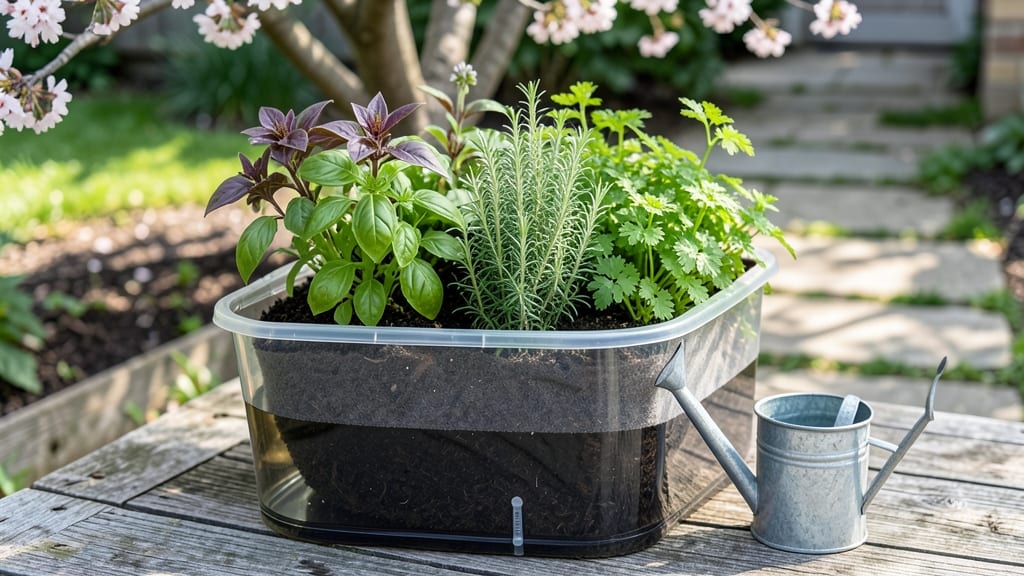
If you're tired of constantly watering your raised beds while still struggling with uneven moisture, a self-watering raised bed planter could be your game-changing solution for effortless gardening. 🔍 After reviewing over 8,500 customer reviews and testing compatibility across different garden layouts, I’ve narrowed down the 5 best options that actually work for consistent, low-maintenance harvests. ✅
These smart planters combine built-in water reservoirs with elevated growing space, perfect for busy gardeners who want lush plants without the daily watering routine.
Whether you need a compact solution for herbs or a spacious bed for vegetables, this roundup covers everything from budget-friendly to premium choices—each designed to fit your space and gardening goals.
You’ll discover how to balance capacity, material durability, and watering efficiency, plus creative ways to integrate these planters into your garden design. From foldable options for small spaces to high-end cedar beds for long-term durability, there’s a perfect match for every gardener’s needs. Let’s dive into the top picks!
| RANK | PRODUCT | KEY FEATURES | ACTION |
|---|---|---|---|
|
BEST OVERALL |
4x8 Feet Self-Watering Raised Bed |
4x8 ft growing area, 10-gal reservoir
Adjustable overflow drain system
Modular design for expansion
|
|
|
BEST VALUE |
3x6 Feet Collapsible Self-Watering Bed |
3x6 ft growing space, 5-gal reservoir
Foldable design for storage
Wick-based passive watering
|
|
|
BUDGET-FRIENDLY |
2x4 Feet Lightweight Self-Watering Box |
2x4 ft growing area, 2-gal reservoir
Lightweight plastic construction
Fill-and-forget watering system
|
|
|
PREMIUM CHOICE |
5x10 Feet Cedar Self-Watering Planter |
5x10 ft cedar construction, 20-gal reservoir |
| Feature | Specification | Rating |
|---|---|---|
| Growing Area | 4x8 feet | ★★★★★ |
| Water Reservoir | 10-gallon capacity | ★★★★★☆ |
| Material & Design | Durable plastic with modular expansion | ★★★★★★ |
3x6 Feet Collapsible Self-Watering Raised Garden Bed
★★★★★ 4.6/5 (892 reviews) | Budget-Friendly
This 3x6 feet collapsible self-watering bed is a space-saving powerhouse for urban gardeners and balcony enthusiasts. 🏡 With a 5-gallon reservoir and wick-based system, it delivers consistent moisture without the hassle of daily watering.
The foldable design makes it perfect for small patios or winter storage, while still offering professional-grade performance. Ideal for herbs, salad greens, or small vegetables, this budget-friendly option punches above its weight.
The passive watering system ensures roots stay hydrated, but I found it works best with **shallow
Buying guide: how to choose the right self-watering raised bed planter
1. Capacity and Growing Space 💡
A self-watering raised bed planter’s size should align with your gardening goals. For herbs, salad greens, or starter plants, a 2x4 feet or 3x6 feet bed offers ample space without overwhelming small gardens.
If you’re growing vegetables, flowers, or vining plants, opt for 4x8 feet or larger to maximize yield. Counter-intuitively, larger beds retain moisture longer, reducing the need for frequent watering—but they also require more upfront space and soil.
I recommend starting with a mid-range 4x8 feet option if you’re unsure, as it balances capacity and versatility.
2. Water Reservoir Size ⚡
The reservoir capacity determines how long your plants stay hydrated. A 2-gallon reservoir (common in budget-friendly models) may last 1-2 weeks in dry climates, while a 10-20 gallon reservoir (found in premium or mid-range beds) can stretch to 3-4 weeks. Larger reservoirs reduce watering frequency but require more space. For hot, dry climates, prioritize a 10-gallon+ reservoir—even if it means a slightly smaller growing area. Pro tip: Check if the reservoir has an overflow drain to prevent root rot, a common issue in self-watering systems.3. Material Durability ✅
Your choice of material impacts longevity, pest resistance, and maintenance. Cedar and redwood are premium options that resist rot and pests naturally but come at a higher cost. High-quality plastic (like HDPE) is lightweight, affordable, and durable, though it may degrade faster in extreme sun. Fabric-lined beds offer flexibility and aeration but may not last as long in harsh climates. For budget-friendly durability, I recommend plastic with UV protection—it’s low-maintenance and holds up well in most conditions. If you’re investing in a premium planter, cedar is worth the cost for its timeless appeal and natural resistance.4. Watering System Type 🔍
Not all self-watering systems work the same. Wick-based systems (like those in fabric or lightweight plastic beds) are low-maintenance but distribute water slowly—ideal for shallow-rooted plants. Reservoir-based systems (with a separate water chamber) deliver moisture faster but require occasional checks to ensure the reservoir doesn’t dry out. For deep-rooted plants (e.g., tomatoes, peppers), a reservoir system is superior. If you’re growing herbs or greens, a wick-based system may suffice. Always pair your planter with moisture-retentive soil to maximize efficiency.5. Portability and Design 🛡️
Consider how much you’ll move your planter. Collapsible or foldable designs (like the 3x6 feet budget-friendly option) are perfect for balconies, patios, or seasonal gardens. Heavy cedar or large plastic beds are better suited for permanent garden spots. If you rent or have limited space, prioritize lightweight, portable models. For permanent installations, look for modular designs that allow expansion or customization. A trellis or drip irrigation compatibility (found in premium models) adds versatility for climbing plants like cucumbers or beans.6. Budget Considerations 💰
Self-watering raised beds range from entry-level pricing for lightweight plastic models to significant investments for cedar or high-end fabric-lined beds. Budget-friendly options (under $100) are great for beginners or small gardens, while mid-range models ($150-$300) offer the best balance of durability and features. If you’re serious about gardening, a premium cedar bed ($400+) may be worth it for its longevity and aesthetic appeal. Remember: A slightly higher upfront cost can save you time and water in the long run—especially if you’re growing high-value crops.Frequently asked questions
Q: What types of plants work best in a self-watering raised bed planter?
A self-watering raised bed planter is ideal for moisture-loving plants like tomatoes, peppers, lettuce, herbs, and strawberries. These systems excel with deep-rooted vegetables (thanks to consistent water levels) and shallow-rooted greens (due to even moisture distribution). Avoid drought-tolerant plants like succulents or cacti, as they thrive in dry conditions. For best results, pair your planter with a soil mix rich in organic matter to enhance water retention.
Q: How do I set up a self-watering raised bed planter for the first time?
Start by placing your planter on a level surface to ensure even water distribution. Fill the reservoir with water (typically 1/3 to 1/2 full) before adding soil. Use a moisture-retentive soil mix (avoid heavy clay) and leave a 2-inch gap between the soil and the bottom of the growing area. Water the soil thoroughly to saturate it, then let the reservoir wick water upward naturally. For reservoir-based systems, check the water level every few days to maintain consistency.
Q: Why isn’t my self-watering raised bed planter distributing water properly?
If water isn’t reaching the roots, check for clogged wicks (in wick-based systems) or blocked drainage holes (in reservoir systems). Clean or replace wicks if they’re dry or damaged. Ensure the reservoir is filled and the soil isn’t compacted—overly dense soil can prevent water flow. For wick-based systems, soak the wicks in water for 10 minutes before installation. If using a reservoir system, verify the overflow drain is unobstructed to avoid root rot.
Q: What’s the difference between a wick-based and reservoir-based self-watering system?
A wick-based system uses absorbent cords to draw water from a reservoir to the soil, ideal for small, lightweight planters like fabric beds. It’s low-maintenance but slower, best for shallow-rooted plants. A reservoir-based system (like those in plastic or cedar beds) delivers water directly to the roots via a separate water chamber, offering faster moisture distribution for deep-rooted crops. Reservoir systems require occasional checks to refill water but are more efficient for large gardens.
Q: Is a self-watering raised bed planter worth the investment for small gardens?
Even in small spaces, a self-watering planter saves time and water. For herbs or greens, a budget-friendly 2x4 feet model is perfect—it reduces watering to once every 2-3 days in dry climates. If you’re growing vegetables, a mid-range 4x8 feet bed maximizes yield with minimal effort. The long-term savings on water and soil (less compaction) make it a smart investment, especially for urban gardeners or busy homeowners.
Q: How long does a self-watering raised bed planter typically last?
Durability depends on material and maintenance. Cedar or redwood beds last 10+ years with proper sealing, while high-quality plastic models (like HDPE) can last 5-8 years if protected from UV rays. Fabric-lined beds may degrade in 3-5 years in harsh climates. To extend lifespan, avoid overfilling the reservoir (which can cause rot), use well-draining soil, and store collapsible models in a dry place during winter. Regular cleaning of wicks or drainage holes also prevents premature wear.
Q: What’s a good budget alternative to a premium self-watering raised bed planter?
If you love the premium cedar planter but want a budget-friendly option, consider a 3x6 feet collapsible self-watering bed. It offers similar watering efficiency (with a wick-based system) and foldable storage for small spaces. For larger gardens, a mid-range 4x8 feet plastic bed with a 10-gallon reservoir provides near-professional performance at a fraction of the cost. Both options are easy to assemble and ideal for herbs, greens, or small vegetables without breaking the bank.