
Shrubs
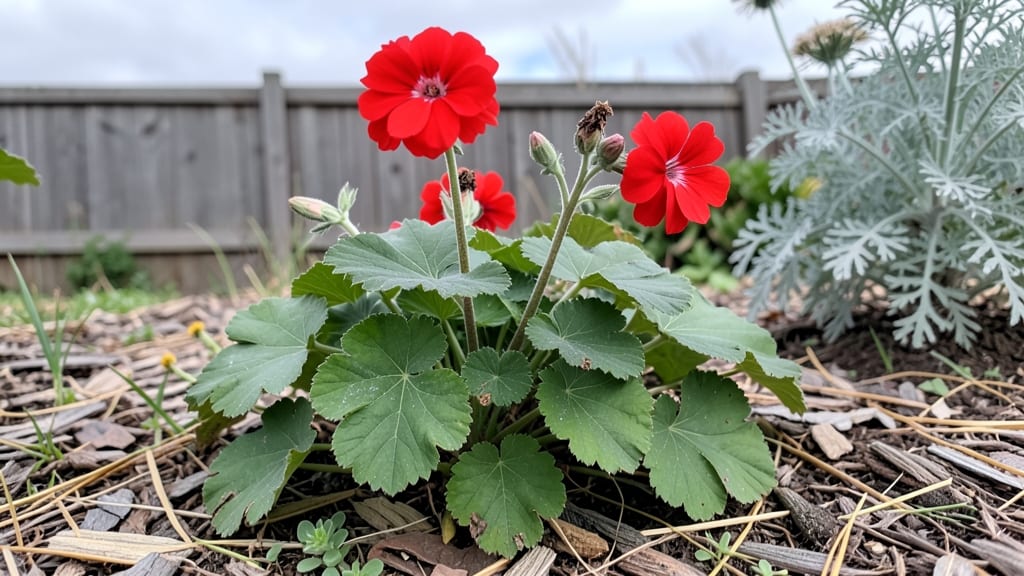
Red perennial geraniums spread like wildfire once they take hold—bold, deep red blooms that return every year with almost no effort from you. 🌿 I’ve watched mine multiply across my garden beds, creating natural drifts of color that last from early summer until frost.
The secret isn’t complicated: these tough plants thrive in average soil, need minimal fuss, and even bounce back from neglect.
They love full sun but tolerate partial shade, and their deep roots mean they handle drought better than most perennials. The key to getting them started is planting crowns in well-drained soil—no fancy amendments needed—and keeping them watered just enough to establish.
Once settled, they’ll spread through underground runners, creating lush ground cover that outshines annual geraniums every time.
By midsummer, your garden will be alive with vibrant red clusters that attract pollinators and repel pests naturally. Prune back leggy stems in early spring to encourage bushier growth, and you’ll have blooms for weeks longer than store-bought annuals.
These aren’t just pretty—they’re the workhorse perennials that reward patience with years of effortless color.
The best part? They’re zone-hardy from 3-9, so whether you’re in a cold northern climate or a hot southern one, these tough plants will come back bigger and better each year. Here’s how to get them thriving in your garden without the guesswork.
📚 In This Guide
- What you need
- Instructions
- Tips and common mistakes
- Wrapping up and next steps
What you need
- ● Red perennial geranium plants: Choose healthy nursery-grown plants (1-2 per pot or 3-5 per square foot in garden beds). Varieties like Geranium sanguineum or Geranium macrorrhizum work beautifully.
- ● Well-draining potting mix: 1-2 bags (10-15 quarts each) of a high-quality mix with perlite or sand for aeration.
- ○ Containers (optional for potted growth): 1-2 pots (10-12 inches in diameter) with drainage holes, or garden space with full sun to partial shade.
- ○ Compost or organic fertilizer: 1-2 cups of balanced 10-10-10 or slow-release granular fertilizer (optional but recommended for established plants).
- ● Watering can or hose with a gentle spray nozzle: For consistent moisture without overwatering.
- ● Garden trowel or small shovel: For planting and transplanting.
- ● Pruning shears or sharp scissors: To trim dead blooms and shape plants.
- ○ Mulch (optional): 1-2 bags of shredded bark or straw to retain moisture and suppress weeds.
- ○ Gloves (optional): Protect your hands from thorns or rough stems.
- ● Sunlight access: At least 4-6 hours of direct sunlight daily for optimal growth.
Step-by-step guide to planting and caring for red perennial geraniums
Here's how to establish vibrant red perennial geraniums that thrive year after year.
🌱 Step 1: Choose the Perfect Planting Location
Red perennial geraniums adore full sun to partial shade, ideally 6 hours of direct sunlight daily. I always scout the spot in late afternoon when the sun is strongest—this helps identify areas where afternoon shade might help prevent leaf scorch. The soil should drain well; these plants despise soggy roots.
Dig a hole twice as wide as the root ball but only as deep as the container. Loosen the sides of the hole with a trowel to encourage root spread. If your soil is heavy clay, mix in 2-3 inches of compost to improve drainage. The key is creating a loose, airy environment for those fibrous roots to establish quickly.
💧 Step 2: Plant and Water Thoroughly
Gently remove the geranium from its container and tease the roots apart if they're circling. Place the plant in the hole so the top of the root ball sits just below soil level—this prevents stem rot while keeping the plant stable. Fill the hole with soil, pressing lightly to eliminate air pockets around the roots.
Water immediately after planting with 1 gallon of water per plant, letting it soak in slowly. You'll know it's enough when water runs out the drainage holes if in a container, or when the soil 1 inch down feels damp. Mulch around the base with 2 inches of organic mulch, keeping it 2 inches away from the stem to prevent rot.
☀️ Step 3: Maintain Consistent Care Through the Seasons
Water deeply once a week during the first growing season, allowing the top 2 inches of soil to dry out between waterings. Once established, these plants are drought-tolerant but will reward you with bigger blooms if kept consistently moist. I always check soil moisture by hand—if it feels dry 1 inch down, it's time to water.
Deadhead spent blooms regularly to encourage continuous flowering. Pinch back leggy stems in early summer to promote bushier growth. In fall, cut back foliage by half to tidy the plant, but leave some leaves for winter interest and to protect the crown.
✂️ Step 4: Divide and Propagate for Free Plants
Every 3-4 years, geraniums need dividing to prevent overcrowding. In early spring, dig up the clump and separate into smaller sections, ensuring each has 3-5 stems. Replant immediately in fresh soil. This is where these plants get their "multiply naturally" reputation—each division becomes a thriving new plant.
For extra propagation, take 4-inch stem cuttings in early summer. Remove lower leaves, dip in rooting hormone, and plant in moist sand. Keep cuttings in bright, indirect light until roots form—usually in 4-6 weeks. This is how I've filled my entire garden border with these bold red beauties!
Tips & tricks for perfect red perennial geraniums
Here's what I've learned from years of growing these vibrant plants that'll help you avoid common pitfalls and get the most stunning blooms.
Sunlight Strategy: Those 6 hours of sunlight are non-negotiable for that bold red color. I've found that morning sun plus afternoon shade works best in hot climates—this prevents leaf scorch while still giving you the vibrant blooms. If your garden gets intense afternoon sun, consider planting near a fence or wall that provides some natural shade during the hottest hours.
Soil Preparation Tip: The secret to happy geraniums is loose, well-draining soil. If you're working with heavy clay, don't just dig in compost—mix it thoroughly with the existing soil to create that airy environment the roots need. I like to add a handful of perlite to the backfill soil when planting to give roots even more room to breathe. This makes all the difference in preventing root rot.
Watering Wisdom: That 1 gallon per plant after planting is crucial—it helps settle the roots and washes away any soil that might have fallen into the stem. For ongoing care, I've found that watering deeply once a week is better than light daily watering. This encourages roots to grow deeper, making your plants more drought-resistant. Always check moisture 1 inch down—that's where the roots are actively growing.
Propagation Hack: When taking those 4-inch stem cuttings, I've discovered that removing just the lower set of leaves (about 1/3 down the stem) gives you the best results. This prevents rot while still allowing the cutting to photosynthesize. Keep those cuttings in bright, indirect light—they'll root in about 4-6 weeks, and you'll have free plants to share with friends or fill your garden!
Pro Tips for Red Perennial Geraniums
- Here's what I've learned from years of growing these vibrant plants that'll help you avoid common pitfalls and get the most stunning blooms.
- Sunlight Strategy: Those 6 hours of sunlight are non-negotiable for that bold red color.
- Soil Preparation Tip: The secret to happy geraniums is loose, well-draining soil.
Frequently asked questions
Got questions about growing red perennial geraniums?
You’re not alone! Here are answers to the most common queries to help you cultivate these vibrant bloomers with confidence.
When is the best time to plant red perennial geraniums?
Plant them in early spring or fall (4–6 weeks before the first frost) for optimal root establishment. Avoid planting in extreme heat or cold. If starting from seeds, sow indoors 8–10 weeks before the last frost, then transplant outdoors after the soil warms to 50°F (10°C).
How often should I water red perennial geraniums?
Water them deeply but infrequently—about 1 inch (2.5 cm) per week, letting the soil dry slightly between waterings. Overwatering can lead to root rot, so ensure well-draining soil. Mulch around the base to retain moisture and suppress weeds.
Do red perennial geraniums need pruning? If so, how?
Yes! Prune in early spring to remove dead or damaged stems, then again after flowering to encourage bushier growth. Cut back one-third of the plant to promote new blooms. Avoid heavy pruning in fall—let the foliage die back naturally for winter hardiness.
What pests or diseases should I watch for?
Common issues include aphids, spider mites, and powdery mildew. For pests, spray with water or use insecticidal soap. Improve airflow and avoid overhead watering to prevent mildew. If leaves yellow or wilt, check for root rot—adjust watering habits and ensure proper drainage.
Can red perennial geraniums spread aggressively? How do I control them?
They’re non-invasive compared to some perennials but can self-seed. To control spread, deadhead spent blooms regularly and divide clumps every 3–4 years in spring. If they pop up where you don’t want them, simply dig up unwanted plants—no harsh measures needed!
Wrapping up and next steps
Red perennial geraniums are a gardener’s dream—vibrant, hardy, and effortlessly self-spreading! Whether you’re a beginner or a seasoned green thumb, these plants reward patience with stunning blooms year after year. The key? Sunlight, well-draining soil, and a little deadheading to keep them thriving.
Ready to transform your garden? Start small—plant a few this season and watch them multiply naturally. Happy gardening! 🌸🌿