
Shrubs
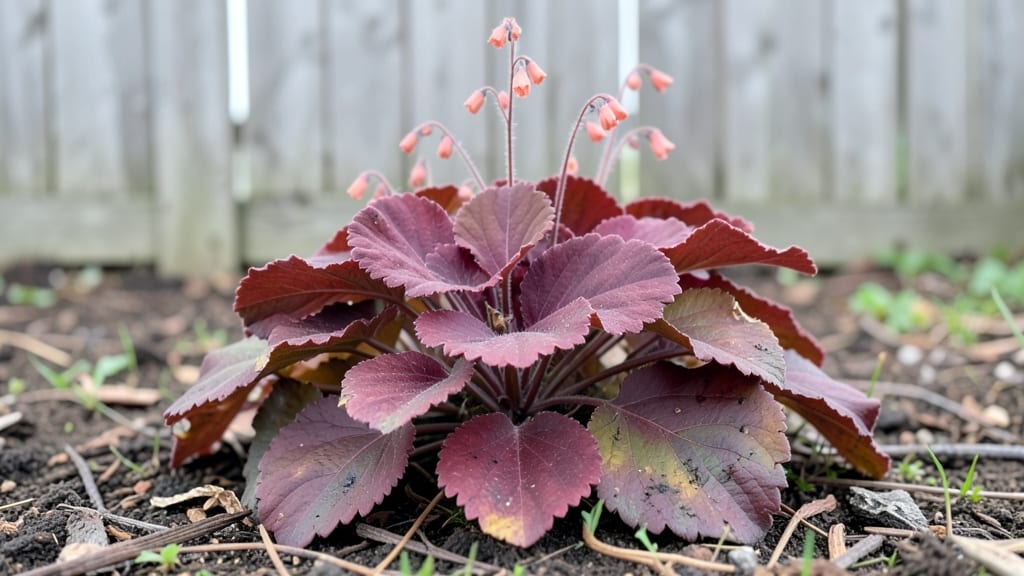
Red-leaved perennials bring shockingly lush color to your garden without demanding a single thing in return. 🌿 I’ve been growing them for years, and they’ve taught me that the most stunning plants often require the least effort—just the right spot and a little patience.
The deep burgundy, fiery orange, and velvety crimson leaves of these shrubs create focal points that never fade, even in winter.
These plants thrive in partial shade to full sun, making them perfect for under trees, along foundations, or in mixed borders where other plants might struggle. Most need well-draining soil—amend heavy clay with compost—and water only when the top inch feels dry.
The real magic? They handle drought once established, so you’ll spend less time fussing and more time admiring their year-round drama.
Start with Heuchera for delicate textures, Bergenia for tough, leathery leaves, or Sedum for drought-proof boldness. Prune sparingly in early spring to tidy up, and watch how they bounce back with even more vibrant foliage. By summer, your garden will feel like a living painting—no high-maintenance drama required.
Bonus: They pair beautifully with silver foliage or white flowers to make their colors pop even more. Once you try them, you’ll wonder how you ever lived without this zero-fuss game-changer.
📚 In This Guide
- What you need
- Instructions
- Tips and common mistakes
- Wrapping up and next steps
What you need
- ● Red-leaved perennial shrubs: Choose varieties like Heuchera (Coral Bells), Berberis thunbergii (Japanese Barberry), or Cotoneaster (Bearberry Cotoneaster). Buy 3–5 mature plants (1–2 gallon pots) for immediate impact.
- ● Well-draining potting mix: 10–15 gallons (sterilized, peat-free blend for containers or garden beds).
- ● Organic compost: 5–10 lbs (to enrich soil and retain moisture).
- ● Slow-release fertilizer: 1 lb (10-10-10 or balanced organic option).
- ● Mulch: 2–3 cubic feet (shredded bark or pine straw to conserve moisture and suppress weeds).
- ● Garden trowel or spade (for transplanting).
- ● Pruning shears (sterilized, sharp blades).
- ● Gloves (gardening or heavy-duty for thorny varieties like Barberry).
- ● Watering can or hose with gentle nozzle (for deep, even watering).
- ● Measuring tape or ruler (to space plants 12–36 inches apart, depending on variety).
- ● Soil pH test kit ($10–$15) – Red-leaved perennials thrive in slightly acidic to neutral soil (pH 6.0–7.0).
- ● Epsom salt ($5) – 1 tbsp per plant boosts magnesium for vibrant foliage.
- ● Container pots (10–15 gallon) – For patio or balcony planting.
- ● Drip irrigation system – Automates watering for low-maintenance growth.
How to plant and maintain striking red-leaved perennial shrubs
Here's the straightforward approach I've used to keep bold foliage thriving for years.
🌱 Step 1: Select the Right Location and Soil
Choose a spot with morning sun and afternoon shade—this protects delicate red leaves from harsh afternoon rays while ensuring enough light for vibrant color. Avoid deep shade areas where foliage will fade to green. Test your soil first: red-leaved perennials thrive in well-draining, slightly acidic soil with a pH between 5.5 and 6.5. Amend heavy clay with 2 inches of organic compost to improve aeration.
I always dig a hole twice as wide as the root ball but only as deep as the container's base. This prevents burying the crown too deeply, which can cause rot. Loosen the roots gently if they're circling—just enough to encourage outward growth. The reason we don't disturb roots excessively is that these shrubs establish slowly, and damaged roots mean weaker color development.
💧 Step 2: Plant and Establish Proper Watering
Place the shrub in the hole and backfill with native soil mixed with 1 part peat moss to maintain that ideal acidity. Water deeply immediately after planting to eliminate air pockets—you'll know it's right when water drains freely from the bottom. Mulch with 2-3 inches of shredded bark around the base (but not touching the stem) to conserve moisture and suppress weeds.
Water twice weekly for the first month, keeping the soil evenly moist but not soggy. You'll see new growth within 3-4 weeks—this is your signal the roots have taken hold. After establishment, reduce to once weekly during dry spells, checking that the top 2 inches of soil stay dry between waterings. Overwatering is the fastest way to lose these plants, as saturated roots smother the vibrant foliage.
☀️ Step 3: Prune for Shape and Seasonal Renewal
Prune in early spring before new growth begins, removing any dead or crossing branches first. Cut back leggy stems by one-third to encourage bushier growth—this is where the color really pops. Use clean, sharp pruners and make cuts at a 45-degree angle just above a leaf node. Avoid heavy pruning in fall, as new growth won't harden off before winter.
Here's the thing—red-leaved perennials often need annual renewal pruning. In late winter, trim back all stems to 6 inches from the ground. You'll be shocked at how quickly they regrow, but this rejuvenation keeps the foliage vibrant and prevents woody stems. Watch for new red shoots emerging in 4-6 weeks—that's your confirmation the plant is healthy and ready for another season of color.
✂️ Step 4: Fertilize for Long-Term Vibrancy
Apply a slow-release, acid-loving plant fertilizer in early spring and again in midsummer. I use a 10-10-10 formula at half-strength to avoid burning tender new growth. Spread the granules evenly over the root zone and water deeply to activate them. The key is consistency—these shrubs don't need much, but they do appreciate regular, light feeding to maintain their striking color.
If leaves start losing their red hue and turning green, it's a sign of too much nitrogen or insufficient sunlight. Reduce fertilizer to once yearly in spring and move the plant to a sunnier location. You'll notice the color intensify within 2-3 weeks of proper care. I've seen some gardeners overcorrect by fertilizing too heavily—stick to the schedule, and you'll avoid that common mistake.
Tips & tricks for perfect red-leaved perennial shrubs
These small but critical details make all the difference between vibrant foliage and lackluster growth.
Soil pH Precision: While the ideal range is 5.5-6.5, I've found that testing your soil before planting is worth the investment. Red-leaved varieties are particularly sensitive to pH shifts that can turn foliage green. If your soil tests higher than 6.5, mix in sulfur according to package instructions to lower the pH gradually. The color transformation happens quickly once you hit that sweet spot—you'll notice the red intensity deepen within just 2-3 weeks of proper pH adjustment.
Root Ball Handling: The way you handle that root ball during planting directly impacts long-term color vibrancy. When loosening circling roots, be gentle—just enough to encourage outward growth without tearing the delicate root structure. I've seen gardeners accidentally sever roots while trying to "fix" circling, which actually creates stress that weakens the plant's ability to develop vibrant foliage. Think of it like untangling yarn: you want to separate gently, not forcefully pull.
Watering Technique: The twice-weekly watering schedule in Step 2 works perfectly in most climates, but here's the secret: water deeply enough that it reaches 6-8 inches down into the soil. Shallow watering encourages shallow root growth, which makes these plants more susceptible to drought stress. I use a long-handled watering wand to ensure I'm saturating the entire root zone, not just the surface. You'll know you've done it right when water begins to drain from the bottom of the hole.
Pruning Timing: That late winter renewal pruning to 6 inches might seem drastic, but trust me on this—it's the key to preventing woody stems that dull the foliage color. The 4-6 week window for new growth to emerge gives you a clear visual cue that the plant is thriving. If you see green shoots appearing before 4 weeks, your plant is particularly vigorous and may need slightly less dramatic pruning next year. The goal is to balance rejuvenation with maintaining enough foliage to create that striking red display.
Pro Tips for Red Leaved Perennial
- These small but critical details make all the difference between vibrant foliage and lackluster growth.
- Soil pH Precision: While the ideal range is 5.5-6.5, I've found that testing your soil before planting is worth the investment.
- Root Ball Handling: The way you handle that root ball during planting directly impacts long-term color vibrancy.
Frequently asked questions
Got questions about keeping red-leaved perennials thriving? You’re not alone!
Here are answers to the most common queries—so you can enjoy vibrant foliage with minimal stress.
What’s the best way to plant red-leaved perennials for maximum color?
Plant in full sun to partial shade (6+ hours of light for deep reds) and well-draining soil. Amend heavy clay with compost to prevent root rot. Space them 2–3 feet apart for airflow—crowding can dull their fiery hues. Pro tip: Mulch lightly with shredded bark to retain moisture and enhance color intensity!
Do red-leaved perennials survive winter, or will I lose them to frost?
Most hardy varieties (like Heuchera or Coral Bells) tolerate winters down to Zone 3–9. Cut back dead foliage in early spring, but leave protective mulch (3–4 inches) over roots. Evergreen types (e.g., Ilex crenata ‘Soft Touch’) keep color year-round! Watch for: Browning edges—this is normal in cold snaps.
Why are my red leaves turning yellow or brown?
Yellowing often signals overwatering or poor drainage—let soil dry slightly between waterings. Brown edges? Underwatering or salt buildup (from tap water) could be the culprit. Test soil pH (ideal: 6.0–7.0) and flush roots with rainwater if needed. Quick fix: Trim damaged leaves to encourage fresh growth!
Can I mix red-leaved perennials with other plants, or do they need solitude?
Pair them with silver foliage (e.g., lamb’s ear) or purple blooms (e.g., salvia) for striking contrast. Just avoid competitive roots like bamboo. For borders, try Heuchera + ferns—their textures complement each other beautifully. Design tip: Use them as accent plants near pathways for year-round pops of color!
Are there drought-tolerant red-leaved perennials for hot climates?
Yes! Opt for sedum (e.g., Sedum ‘Autumn Joy’ with burgundy tones) or Russian sage—both thrive in Zone 5–9 with minimal water. Dwarf ninebark (Physocarpus) also handles heat well. Watering hack: Deep-soak once weekly (vs. daily shallow watering) to build root resilience.
Wrapping up and next steps
Red-leaved perennial shrubs are a game-changer for gardeners craving bold, low-maintenance color that thrives year-round! Their vibrant foliage, resilience, and adaptability make them perfect for adding drama to any landscape—whether you’re a seasoned pro or just starting out. 🌿✨
Ready to transform your garden? Start by choosing the right variety for your climate and soil, then plant with confidence—these shrubs reward effortless care with stunning results. Next up: Grab your gloves and get growing!