
Shrubs
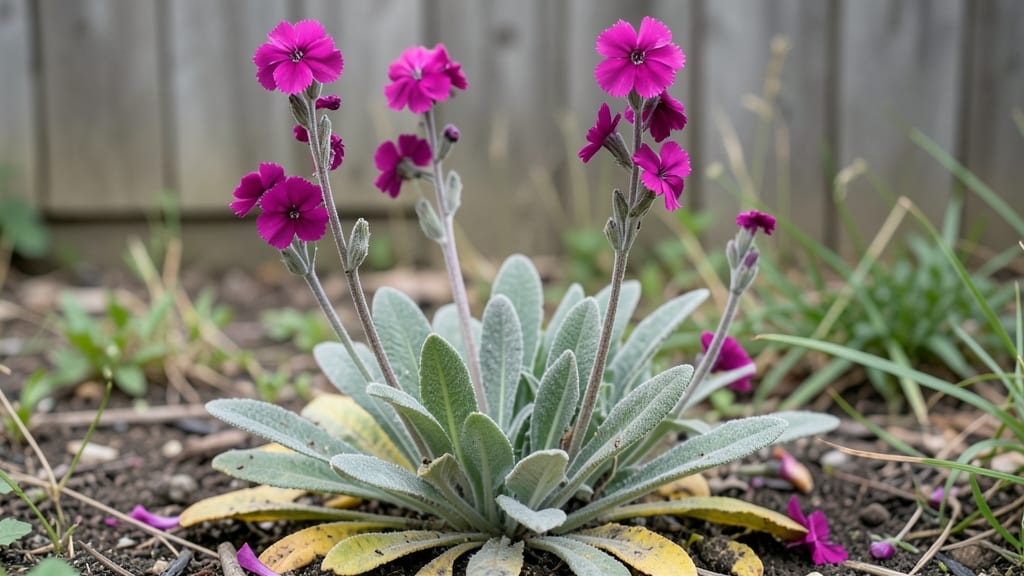
Growing red dianthus perennials means adding bold, fragrant color to your garden that won’t wilt in summer’s heat. 🌿 I’ve watched mine bloom year after year with almost no fuss—just the right spot and a little patience.
These plants reward you with clusters of deep red flowers that smell like a mix of cloves and strawberries, and they keep coming back stronger each season.
The secret to their success is simple: full sun, well-draining soil, and minimal water once established. They thrive in rocky or sandy soil where other plants struggle, making them perfect for slopes, borders, or even containers.
Most varieties handle drought once their roots take hold, and they bounce back from heat waves that would flatten other perennials.
By late spring, you’ll see those vibrant blooms opening wide, and with just a little deadheading, they’ll keep producing flowers until frost. The foliage stays neat and aromatic, and deer and rabbits usually leave them alone.
It’s the kind of plant that makes gardening feel effortless—once you get the basics right.
Whether you’re filling a sunny border or adding color to a dry spot, red dianthus delivers. They pair beautifully with lavender, rosemary, and other drought-tolerant plants, creating a low-maintenance, high-impact display. Let’s get yours growing strong!
📚 In This Guide
- What you need
- Instructions
- Tips and common mistakes
- Wrapping up and next steps
What you need
- ● Red Dianthus Plants: 3–5 Dianthus barbatus or Dianthus gratianopolitanus (perennial varieties) from a nursery or online supplier.
- ○ Optional: Seeds for long-term cultivation (requires patience—germination takes 14–21 days).
- ● Well-Draining Soil Mix: 50% native soil + 30% perlite/pumice + 20% compost (for optimal aeration and drainage).
- ● Alternative: Pre-mixed cactus/succulent soil (1 bag per 2–3 plants).
- ● Fertilizer: Balanced 10-10-10 granular fertilizer (1 tbsp per plant at planting time).
- ● Slow-release option: Osmocote (14-14-14) for 3–4 months of nutrients.
- ● Mulch: 2–3 inches of gravel or pine bark nuggets (to retain moisture and deter weeds).
- ● Garden trowel or hand shovel (for transplanting).
- ● Pruning shears (for deadheading and shaping).
- ● Watering can or hose with a gentle spray nozzle (avoid overhead watering).
- ○ Optional but helpful: Soil pH test kit (ideal range: 6.0–7.0).
- ● Plant labels (to track varieties and care schedules).
- ● Knee pads or a small stool (for comfort during planting!).
- ● Full sun exposure (6+ hours/day) in a sheltered location (protection from strong winds).
- ● Drought-tolerant zone (USDA Hardiness Zones 3–9).
- ● Patience for seed-grown plants (1–2 years to reach full bloom).
- ● Pro Tip: Plant in spring or early fall to avoid summer heat stress! 💡
Step-by-step instructions for planting and caring for red dianthus perennials
Here’s how to get those vibrant red blooms thriving in your garden with minimal fuss.
🌱 Step 1: Choose the Perfect Planting Spot
Red dianthus loves full sun—at least 6-8 hours daily—so pick a spot where it gets the most sunlight possible. A south-facing location works best, but even west-facing areas can work if the plants get afternoon sun. Avoid shady spots, as this will lead to weak growth and fewer blooms.
Check the soil drainage before planting. Dianthus hates soggy roots, so if your soil stays wet for more than a few hours after rain, amend it with sand or grit to improve drainage. A well-draining spot ensures your plants stay healthy and vibrant, especially in hot climates.
🪴 Step 2: Prepare the Soil and Plant the Dianthus
Loosen the soil to a depth of 12 inches to help roots spread easily. Mix in a small amount of compost (about 1 cup per plant) to enrich the soil without making it too heavy. Red dianthus prefers slightly alkaline soil, so if your soil is acidic, add a handful of lime to balance the pH.
Dig a hole twice as wide as the root ball but only as deep as the container it came in. Gently remove the plant from its pot and place it in the hole, ensuring the top of the root ball sits level with the soil surface. Press the soil lightly around the roots to remove air pockets, then water deeply to settle everything in place.
☀️ Step 3: Water and Mulch for Long-Term Success
Water the newly planted dianthus deeply but infrequently—about once a week—unless your area is experiencing extreme heat or drought. Overwatering is the biggest mistake gardeners make with dianthus, as it leads to root rot. Instead, let the soil dry out between waterings and check by sticking your finger 1 inch deep—if it feels dry, it’s time to water.
Apply a 1-2 inch layer of mulch (like gravel or coarse sand) around the base of the plant, keeping it 2-3 inches away from the stem. This helps retain moisture, suppress weeds, and keep roots cool in hot weather. Avoid organic mulch, as it can retain too much moisture and encourage rot.
✂️ Step 4: Prune and Maintain for Continuous Blooms
Deadhead spent blooms regularly—every 2-3 weeks—to encourage more flowers. Simply pinch or snip off the faded blossoms just above a set of leaves. This redirects the plant’s energy toward producing new flowers instead of setting seed.
After the first flush of blooms in early summer, trim back the foliage by one-third to promote bushier growth. Do this in late summer or early fall to give the plant time to recover before winter. Avoid heavy pruning in spring, as this can delay flowering.
🌿 Step 5: Overwinter for Next Year’s Blooms
In colder climates, protect dianthus from harsh winters by applying a light layer of mulch (like straw or pine needles) around the base in late fall. This insulates the roots and prevents heaving during freeze-thaw cycles. In mild winters, no extra protection is needed.
Red dianthus is perennial, so with proper care, it will return year after year. Just keep an eye out for pests like aphids or spider mites, and treat them early with neem oil if spotted. A little attention now means stunning blooms for seasons to come.
Tips & tricks for perfect red dianthus perennials
These simple yet powerful tips will help you avoid common pitfalls and get the most out of your vibrant red dianthus plants.
The Sunlight Secret: While the instructions mention 6-8 hours of full sun, I’ve found that morning sun paired with afternoon shade in extremely hot climates can actually preserve more delicate blooms. If you notice leaves scorching, try moving plants to a spot with dappled afternoon shade while keeping that essential morning sunlight. This balance keeps your dianthus thriving without sacrificing those stunning red flowers.
Soil Preparation Pro Tip: Don’t just loosen the soil to 12 inches—break up any large clumps and create a loose, almost fluffy texture. I’ve seen dianthus roots struggle in compacted soil, even when properly amended. Think of it like preparing a cozy bed for your plants—the looser the soil, the easier it is for those roots to spread and access nutrients. A quick test: If you can’t push your finger into the soil 3 inches without resistance, keep loosening it.
Watering Wisdom: The once-a-week guideline works for average conditions, but I’ve learned to adjust based on your local climate. In summer heat, check that 1-inch soil moisture test in the morning—if it’s dry by noon, it’s time to water. For container-grown dianthus, you may need to water every 3-4 days, as pots dry out faster. Remember, dianthus would rather have slightly dry soil than soggy roots—this is their secret to drought tolerance!
Deadheading Done Right: When the instructions say to deadhead every 2-3 weeks, I recommend doing it more frequently during peak bloom season—every 10-14 days. The key is to cut just above a set of leaves (not at a leaf junction) to encourage new growth. I’ve seen plants that were deadheaded weekly produce continuous blooms from early summer through fall, while those left too long between deadheadings had a noticeable break in flowering.
Pro Tips for Red Dianthus Perennial
- These simple yet powerful tips will help you avoid common pitfalls and get the most out of your vibrant red dianthus plants.
- The Sunlight Secret: While the instructions mention 6-8 hours of full sun, I’ve found that morning sun paired with afternoon shade in extremely hot climates can actually preserve more delicate blooms.
- Soil Preparation Pro Tip: Don’t just loosen the soil to 12 inches—break up any large clumps and create a loose, almost fluffy texture.
Frequently asked questions
Got questions about growing and caring for red dianthus perennial? You’re not alone!
Here are answers to the most common queries to help you nurture these fragrant, drought-tolerant beauties with confidence.
What’s the best climate for red dianthus perennials?
Red dianthus thrives in USDA Hardiness Zones 3-9, making it versatile for most U.S. gardens. It loves full sun to partial shade (6+ hours of sunlight daily) and tolerates heat and drought once established. Just avoid soggy soil—well-draining areas are key!
When is the ideal time to plant red dianthus?
Plant in early spring or fall for the best results. Spring planting gives roots time to establish before summer heat, while fall planting avoids scorching. Never plant in extreme heat or frost—wait for mild temperatures (50–70°F).
How often should I water red dianthus perennials?
Water deeply but infrequently—about once a week (or less in drought conditions). Once established, these plants are drought-tolerant, but young plants need consistent moisture. Mulch lightly to retain soil moisture without suffocating roots.
What pests or diseases should I watch for with red dianthus?
Common issues include aphids, spider mites, and powdery mildew. Prevent pests with neem oil or insecticidal soap. For mildew, space plants for airflow and water at the base (not leaves). Avoid overhead watering to keep foliage dry.
Can I grow red dianthus in containers?
Use a well-draining pot (at least 12 inches deep) with a mix of potting soil and perlite. Choose compact varieties like ‘Firewitch’ for containers. Ensure the pot has drainage holes and place it in full sun. Fertilize lightly in spring for blooms!
Wrapping up and next steps
Ready to transform your garden with bold, fragrant red dianthus perennials? These heat- and drought-tolerant beauties are a game-changer for low-maintenance, high-impact landscapes. Whether you’re a seasoned gardener or just starting out, their resilience and vibrant blooms make them a must-have addition.
🌱 Next steps:
- Snag a few plants (or seeds!) from a trusted nursery.
- Pick a sunny spot with well-draining soil—your dianthus will thank you!
- Watch them flourish and spread joy (and fragrance!) year after year.