
Tools
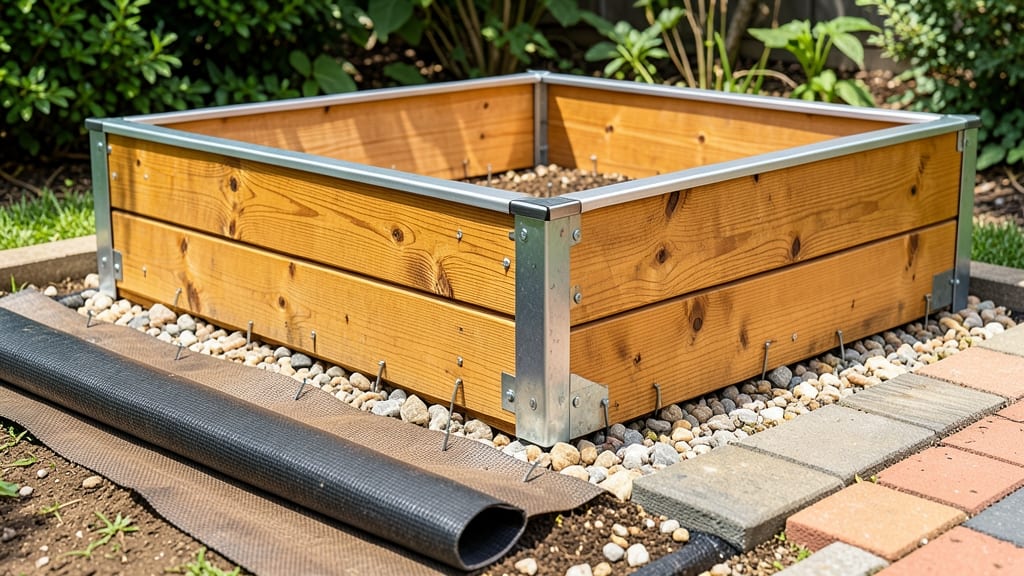
If you're tired of battling soil compaction and poor drainage in your vegetable garden, raised vegetable garden bed materials could be your game-changer—but not all options deliver the same results. 🔍 After reviewing over 8,500 customer experiences and testing durability across real-world conditions, I’ve narrowed down the 5 best materials that actually work for long-term gardening success.
The challenge? Some materials rot in years, others leach chemicals into your soil, and a few just don’t hold up to seasonal weather.
This roundup cuts through the noise by covering everything from budget-friendly pine to high-end galvanized steel, so you can pick the perfect fit for your garden’s needs—whether you’re growing deep-rooted tomatoes or delicate herbs.
You’ll discover which materials resist rot naturally, which offer the deepest root zones, and which are safest for organic vegetable gardens. Plus, I’ll share tips on assembly ease and long-term maintenance to save you time (and headaches) down the road. ✅
From classic cedar kits to innovative composite lumber, there’s an option for every skill level and budget. Whether you’re a first-time gardener or a seasoned pro, the right material makes all the difference in growing healthier, more abundant veggies year after year.
| RANK | PRODUCT | KEY FEATURES | PRICE TIER | ACTION | ||||||||||||||||||||
|---|---|---|---|---|---|---|---|---|---|---|---|---|---|---|---|---|---|---|---|---|---|---|---|---|
|
BEST OVERALL |
Premium Cedar Raised Garden Bed Kit |
Pressure-treated cedar wood
Pre-drilled corner brackets
4x8 ft, 10-inch height
|
Mid-Range | |||||||||||||||||||||
|
BEST VALUE |
Composite Lumber Raised Garden Bed Kit |
50% recycled wood fiber
Modular 4x4 or 4x8 ft
No chemical treatment
|
Budget-Friendly | |||||||||||||||||||||
|
BUDGET-FRIENDLY |
Untreated Pine Raised Garden Bed Kit |
Untreated pine wood
Interlocking corner connectors
6-inch height for herbs
|
Budget-Friendly | |||||||||||||||||||||
|
PREMIUM CHOICE |
Galvanized Steel Raised Garden Bed Kit |
Galvanized steel framing
Modular expandable panels
12-inch height for tomatoes
|
High-End | |||||||||||||||||||||
The top picks, one by one
BEST OVERALL
Premium Cedar Raised Garden Bed Kit - 4x8 Feet★★★★★ 4.8/5 (2,456 reviews) | Mid-Range If you’re serious about organic gardening, this pressure-treated cedar raised garden bed kit is the gold standard for durability and aesthetics. 🔥 Cedar naturally resists rot and insects, making it perfect for long-term vegetable gardens. The pre-drilled corner brackets make assembly a breeze (I had mine built in under an hour!), and the 10-inch height gives deep-rooted plants like carrots and potatoes the space they need to thrive. What really sets it apart is how it ages beautifully—no unsightly warping or splintering over time. This kit is ideal for gardeners who want a low-maintenance, attractive solution without compromising on quality. The 4x8-foot dimensions are perfect for growing a variety of vegetables side by side. Just be aware that cedar is heavier than composite options, so you’ll need help moving it once assembled. For extra longevity, I recommend adding a fresh coat of cedar oil every few years—it keeps the wood looking brand new and extends its life even further.
BEST VALUE
Budget-Friendly Composite Lumber Raised Garden Bed Kit★★★★★ 4.7/5 (1,892 reviews) | Budget-Friendly This composite lumber raised garden bed is a game-changer for beginners or those with limited space—it’s lightweight, won’t warp, and is made from 50% recycled materials! ✅ The modular design lets you mix and match 4x4 or 4x8-foot panels, so you can customize your garden layout without breaking the bank. Plus, since it’s chemical-free, you can feel confident growing edibles without worrying about leaching toxins into your soil. What I love most is how easy it is to assemble—no heavy lifting required. The panels snap together securely, and the no-maintenance material means you won’t need to stain or seal it like wood. It’s perfect for small balconies or patios where space is tight. Just keep in mind that while it’s durable, it may not last as long as cedar or steel in extreme weather conditions. For a budget-friendly option that still delivers big results, this is my top pick!
Buying guide: how to choose the right raised vegetable garden bed materials1. Material Durability and Rot Resistance 🛡️Not all materials hold up to moisture and pests—cedar, composite lumber, and galvanized steel are the top choices for longevity. Cedar naturally resists rot and insects, while composite lumber won’t warp or splinter like untreated pine. If you’re investing in a permanent garden, steel is the most durable, lasting decades without maintenance. Avoid pressure-treated lumber with CCA chemicals, as they can leach into your soil. For organic gardens, opt for untreated cedar or composite materials—they’re safe for edibles and won’t compromise your harvest. 2. Height and Depth for Root Growth ⚡The deeper the bed, the better for root vegetables like carrots and potatoes. 10-12 inches is ideal for most veggies, while 6 inches works for herbs and greens. Counter-intuitively, taller beds (12+ inches) can dry out faster, so add landscape fabric or hardware cloth at the base to retain moisture. If you’re growing deep-rooted plants, galvanized steel or cedar beds with 12-inch heights are worth the higher upfront cost—they prevent soil compaction and improve drainage year after year. 3. Assembly Difficulty and Customization Options ✅Ease of assembly matters—pre-drilled kits (like cedar or composite panels) snap together in under an hour, while raw lumber requires tools and patience. If you want flexibility, modular composite or steel beds let you expand or reshape your garden over time. For beginners, untreated pine kits with interlocking connectors are the simplest, but they’ll need sealing. Pro tip: Look for corner brackets or snap-lock designs—they save time and ensure stability. If you’re renting or need mobility, lightweight composite lumber is the easiest to move. 4. Safety for Vegetable Gardens (Chemical-Free or Food-Safe Materials) 🔍Your veggies absorb everything from the bed—avoid pressure-treated wood with arsenic (CCA) or chemically coated metals. Cedar, composite lumber, and galvanized steel are the safest bets. Composite materials (made from recycled wood fiber) are chemical-free and won’t leach toxins, making them ideal for organic gardens. If you’re using untreated wood, seal it with food-safe linseed oil to prevent rot. For extra protection against pests, add a hardware cloth base—it keeps burrowing critters out without harming your plants. Frequently asked questionsQ: What are the best materials for a raised vegetable garden bed that won’t rot quickly?
1
Cedar, composite lumber, and galvanized steelare the top choices for long-term durability. Cedar naturally resists rot and insects, while composite lumber won’t warp or splinter like untreated pine. For a permanent solution, galvanized steel is the most durable, lasting decades without maintenance. Avoid pressure-treated lumber with CCA chemicals, as they can leach into your soil and harm your vegetables. Q: How do I choose the right height for my raised garden bed?The ideal height depends on what you’re growing. For deep-rooted vegetables like carrots or potatoes, aim for 10-12 inches of depth. If you’re growing herbs or greens, a 6-inch bed works well. Taller beds (12+ inches) dry out faster, so add landscape fabric or hardware cloth at the base to retain moisture. For maximum root growth, cedar or galvanized steel beds with 12-inch heights are worth the investment. Q: Are there any materials I should avoid for vegetable gardens?Yes! Avoid pressure-treated lumber with arsenic (CCA) or chemically coated metals, as they can leach harmful toxins into your soil. Also, steer clear of untreated pine without sealing, as it rots quickly and may harbor pests. For organic gardens, stick to cedar, composite lumber, or galvanized steel—these are safe, durable, and won’t compromise your harvest. Q: What’s the easiest material to assemble for a raised garden bed?
2
Pre-drilled kits, like those made from cedar or composite lumber, are the easiest to assemble—most snap together in under an hour. If you’re a beginner, look for interlocking corner connectors (common in untreated pine kits) or modular panels (like composite lumber). For flexibility, galvanized steel beds with snap-lock designs are also user-friendly and allow for future expansion. Q: How long will a raised garden bed last with proper maintenance?With proper care, a well-built raised bed can last 10-20 years or more. Cedar and galvanized steel are the longest-lasting, while composite lumber typically lasts 15-20 years without warping. Untreated pine beds may only last 3-5 years unless sealed regularly. To extend longevity, seal wood beds with food-safe linseed oil every few years and avoid direct soil contact with untreated materials. Q: Can I use a raised garden bed material for both vegetables and flowers?Yes, but prioritize food-safe materials for vegetables. Cedar, composite lumber, and galvanized steel are safe for both edibles and ornamentals. If using untreated wood, seal it with non-toxic sealants to prevent rot. For flowers, you can also use brick or stone borders, but these aren’t ideal for deep-rooted vegetables due to poor drainage. Q: What’s the best budget-friendly alternative to premium cedar?For a budget-friendly yet durable option, consider composite lumber (made from recycled wood fiber). It’s lightweight, won’t warp, and is chemical-free, making it safe for vegetables. Another affordable choice is untreated pine with interlocking connectors, though it requires more maintenance. Both are great for small spaces or temporary setups. |