
Landscaping
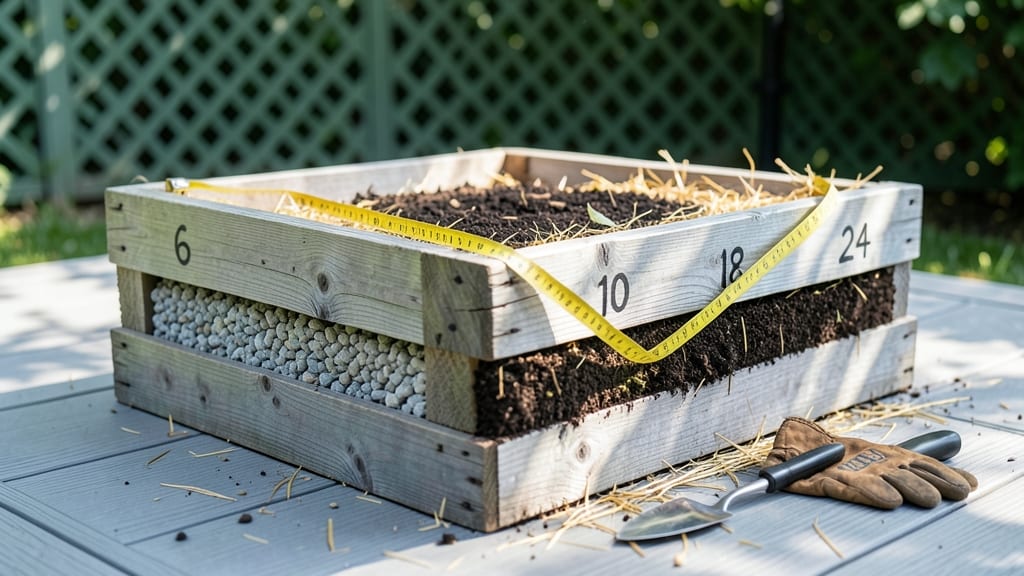
The height of your raised garden bed directly impacts drainage, root growth, and even how easy it is to tend 🌱—and getting it wrong can mean wasted soil or stunted plants.
You’ve probably stared at lumber piles wondering, How high should this really be? The answer isn’t one-size-fits-all: 6 to 12 inches is the sweet spot for most vegetables, but deeper beds unlock bigger harvests for root crops like carrots or potatoes.
Too shallow, and your plants struggle to establish strong roots; too tall, and you’re fighting compaction or uneven water distribution. Below, I’ll break down the science behind ideal heights, how to customize for accessibility or soil types, and the one material tweak that prevents sagging over time.
Whether you’re building your first bed or troubleshooting a less-than-ideal design, these insights will help you balance form, function, and plant happiness—without overcomplicating the project.

Optimal raised garden bed height for root depth and plant growth
Choosing the right raised garden bed height isn’t just about convenience—it’s about giving your plants the root space and soil volume they need to thrive. Most gardeners swear by 6–12 inches as the sweet spot, but the ideal height depends on what you’re growing.
Shallow beds may work for leafy greens, while deeper beds are essential for root crops like carrots or potatoes. The key is balancing root depth with drainage and soil aeration to prevent compaction and waterlogging.
When I built my first raised bed, I assumed 8 inches would be enough—until my tomatoes struggled to establish their roots. After researching, I learned that deeper beds (10–12 inches) provide better stability for tall plants and prevent roots from circling at the bottom.
The science is clear: root systems expand into loose, well-aerated soil, and deeper beds reduce the risk of soil compaction over time. Plus, taller beds make gardening easier on your back, especially for those with mobility challenges.
| Plant Type | Minimum Bed Height | Ideal Bed Height | Root Depth Needs | Notes |
|---|---|---|---|---|
| Leafy Greens (Lettuce, Spinach) | 6 inches | 8–10 inches | Shallow roots (4–6 inches) | Fast-growing; benefits from frequent harvests. |
| Root Vegetables (Carrots, Beets) | 10 inches | 12–18 inches | Deep roots (8–12+ inches) | Loose soil prevents forking; avoid compacted layers. |
| Fruiting Plants (Tomatoes, Peppers) | 8 inches | 10–12 inches | Moderate roots (6–10 inches) | Sturdy beds prevent tipping; add supports for vining plants. |
| Herbs (Basil, Parsley) | 6 inches | 8–10 inches | Moderate roots (4–8 inches) | Well-draining soil prevents root rot; mulch to retain moisture. |
| Accessibility (Wheelchair Users) | 12 inches | 14–18 inches | Flexible (adjust for plant needs) | Counter-height beds reduce bending; use lightweight materials. |
For root vegetables like carrots or parsnips, a 12-inch minimum is non-negotiable. These crops need deep, loose soil to grow straight and avoid forking. I once tried growing carrots in a 6-inch bed, and the results were disastrous—they curled and split due to restricted root growth.
Since then, I’ve made it a rule to use at least 12 inches for any root crop, even if it means building taller beds or layering fill materials like straw bales at the bottom.
If you’re growing leafy greens or herbs, you can get away with 6–8 inches, but don’t skimp on soil quality. These plants have shallower roots but still need well-draining soil to prevent waterlogging.
I fill my 8-inch beds with a mix of compost, coconut coir, and perlite to keep the soil fluffy and aerated. The goal is to mimic the natural soil structure plants would find in the wild—loose, nutrient-rich, and free of compaction.
For fruiting plants like tomatoes and peppers, 10–12 inches is ideal because it provides stability for their heavy foliage and deep-rooted nature. I’ve seen too many top-heavy tomato plants topple over in shallow beds.
To reinforce taller beds, I use corner stakes and hardware cloth to prevent sagging. If you’re growing indeterminate tomatoes, consider 14–18 inches to support their extensive root systems and vining growth.
One common misconception is that taller beds always mean better growth. While deeper beds are great for root crops,
How raised garden bed height affects drainage and soil quality
The height of your raised garden bed directly controls how water moves through your soil and how healthy your plants grow. A bed that’s too shallow may leave roots thirsty, while one that’s too tall can trap excess moisture, leading to root rot or fungal diseases.
The sweet spot? Most gardeners aim for 6 to 12 inches of soil depth, but the real magic happens in how you balance drainage and soil aeration based on your local climate and soil type.
Clay soil, for example, benefits from taller beds—12 to 18 inches deep—because the extra height prevents water from pooling around roots. Sandy soil, on the other hand, drains so quickly that a 6 to 10-inch bed might be ideal to retain just enough moisture.
The key is understanding how your soil behaves and adjusting the bed height to create the perfect growing environment for your plants.
Taller beds—18 inches or higher—can create drainage challenges if not built correctly. Without proper drainage holes or a sloped base, water can pool at the bottom, suffocating roots. To fix this, I always add a 2-inch layer of gravel or broken pottery at the base of taller beds.
This creates a natural drainage layer while keeping soil and roots separated from the hard surface below.
Another critical factor is soil composition. Mixing in organic matter like compost or coconut coir improves aeration, especially in taller beds where soil can become compacted over time.
For beds over 12 inches tall, I recommend adding a 3-inch layer of straw or wood chips as mulch to prevent erosion and keep moisture levels stable.
Don’t forget about accessibility—taller beds (like those 14 inches or higher) make gardening easier for people with mobility issues, but they also require sturdier materials like cedar planks or composite lumber to avoid warping.
If you’re growing deep-rooted plants like carrots or potatoes, aim for at least 12 inches of soil depth to accommodate their growth without crowding.
Experiment with your bed height based on your local climate and plant needs. Start with a 6-inch bed for herbs, then gradually increase height for heavier feeders like tomatoes or squash.
The right height isn’t just about drainage—it’s about creating a thriving ecosystem where roots can breathe, water flows freely, and your plants reach their full potential.