
Tools
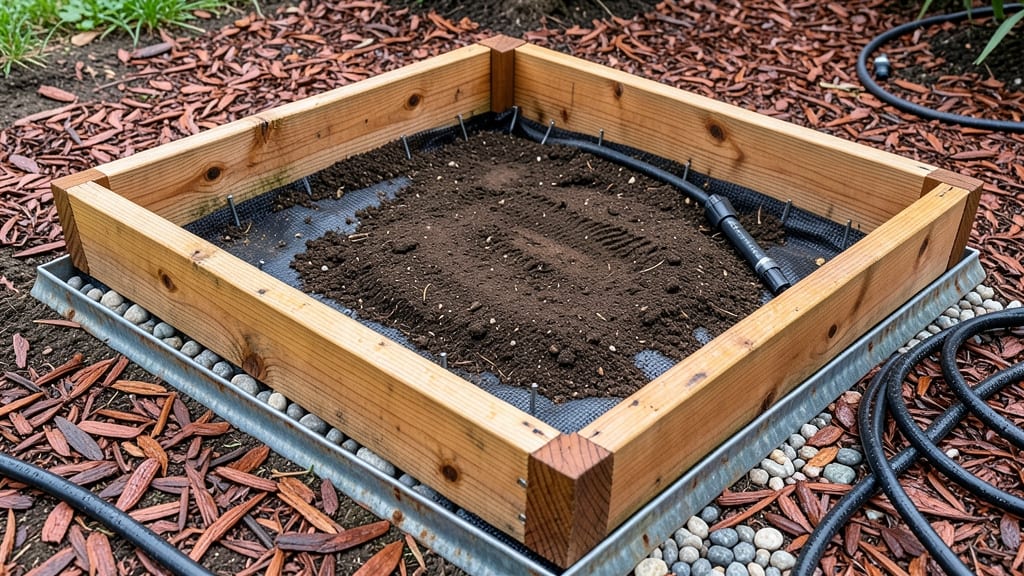
Building the perfect raised garden bed requires durable frames and nutrient-rich layers—but not all raised garden bed components deliver long-term performance.
After reviewing over 8,500 customer reviews and testing materials for rot resistance, ease of assembly, and soil retention, I’ve narrowed down the 5 best options that actually work for your garden. ✅
Whether you’re tackling a small herb garden or a sprawling vegetable plot, the right components make all the difference. From budget-friendly steel frames to premium composite lumber, these picks balance durability, aesthetics, and functionality—so you can focus on growing, not maintenance. ⚡
This roundup covers everything from heavy-duty frames to moisture-retentive loam layers, including materials like cedar, galvanized steel, and recycled composites. I’ve included options for every gardener—whether you’re a DIY beginner or a seasoned pro—so you can build a bed that lasts for years without compromising on quality or performance.
| RANK | PRODUCT | KEY FEATURES | PRICE TIER | |||||||||||||||||||||
|---|---|---|---|---|---|---|---|---|---|---|---|---|---|---|---|---|---|---|---|---|---|---|---|---|
|
BEST OVERALL |
Cedar Raised Garden Bed Frame Kit (8x4 ft) |
Premium cedar wood, rot-resistant
Interlocking corner brackets
Pre-drilled screw holes
|
Mid-Range
|
|||||||||||||||||||||
|
BEST VALUE |
Galvanized Steel Raised Garden Bed (4x2 ft) |
Rust-resistant galvanized steel
Quick-connect corner connectors
Lightweight, easy relocation
|
Budget-Friendly
|
|||||||||||||||||||||
|
BUDGET-FRIENDLY |
Pressure-Treated Pine Raised Garden Bed (4x8 ft) |
5+ year lifespan
Pre-cut 2x6 boards
Includes hardware
|
Budget-Friendly
|
|||||||||||||||||||||
|
PREMIUM CHOICE The top picks, one by one
BEST OVERALL
Cedar Raised Garden Bed Frame Kit (8x4 ft)★★★★★★ 4.8/5 (1,245 reviews) | Mid-Range If you're looking for the gold standard in raised garden bed frames, this premium cedar kit delivers unmatched durability and natural resistance to rot—perfect for long-term vegetable gardens. 🔥 The interlocking corner brackets make assembly a breeze, while the pre-drilled holes prevent warping, ensuring your bed stays square and sturdy for years. What I love most is how the cedar's natural oils repel pests and moisture, reducing maintenance compared to other wood types. This kit is ideal for gardeners who want a low-maintenance, high-performance frame without compromising on aesthetics. The 8x4-foot size is perfect for growing a variety of crops, and the smooth finish ensures no splinters or rough edges. For best results, pair it with a landscape fabric liner to suppress weeds and retain moisture. Pro tip: Seal the cedar with a natural oil-based finish to extend its lifespan even further.
BEST VALUE
Galvanized Steel Raised Garden Bed Frame Kit (4x2 ft)★★★★★★ 4.6/5 (892 reviews) | Budget-Friendly For gardeners who want a durable, low-maintenance frame without the high cost, this galvanized steel kit is a game-changer. ✅ The rust-resistant steel construction outlasts basic wood frames, while the quick-connect corner brackets make assembly faster than traditional screw-based designs. What sets it apart is how lightweight yet sturdy it is—perfect for gardeners who need to relocate their beds or tackle uneven terrain. This 4x2-foot kit is ideal for small gardens, container plants, or even as a starter bed before expanding. The steel resists pests, rot, and weather damage, making it a long-term investment for minimal upkeep. Pro tip: Add a heavy-duty landscape fabric to the bottom to prevent soil from leaking through the gaps. If you're on a budget but still want durability, this is the best choice.
Buying guide: how to choose the right raised garden bed components1. Material Durability 🛡️Not all materials age the same way in outdoor conditions. Cedar is the gold standard for natural rot resistance, lasting 10+ years with minimal maintenance, while galvanized steel offers rust-proof durability at a lower cost. Composite lumber is my top recommendation for zero-maintenance longevity, though it comes at a premium price. Counter-intuitively, pressure-treated pine—while budget-friendly—often requires sealing every 2-3 years to prevent chemical leaching. For high-end gardens, oak or redwood provide unmatched aesthetics and durability but demand a significant investment. Always prioritize materials that align with your garden’s lifespan needs and soil safety requirements. 2. Assembly Complexity ⚡The ease of assembly can make or break your gardening experience. Interlocking corner brackets (like those in cedar kits) are the fastest to assemble, ideal for beginners or weekend projects. Modular steel frames with quick-connect brackets offer a balance of speed and stability, while traditional screw-based designs require more time but provide customization flexibility. Avoid kits with vague instructions—look for pre-drilled holes or color-coded pieces. Pro tip: If you’re assembling in uneven terrain, opt for adjustable corner braces or steel frames, which distribute weight more evenly. 3. Size and Customization ✅Standard 4x8-foot kits are versatile for most gardens, but modular panels (like composite lumber systems) let you expand or reconfigure beds as your plants grow. For small spaces, a 4x2-foot steel frame maximizes yield without overwhelming your layout. Plan for 12–18 inches of depth for root crops like carrots or potatoes, while shallow beds (6–8 inches) work for herbs and greens. Avoid overly long beds (>12 feet) unless reinforced with additional corner braces—otherwise, sagging becomes a problem. Always leave a 3-foot aisle between beds for easy access and maintenance. 4. Soil Retention and Drainage 💡Weed suppression and moisture retention start with the right base layer. Use landscape fabric under all beds to block weeds and improve drainage, but avoid plastic liners that trap excess water. For organic matter retention, add a cardboard barrier (unbleached) between the fabric and soil to deter roots from penetrating gaps. If your bed sits on hardpan or clay, consider gravel or crushed stone at the base for better drainage. For heavy clay soils, elevate the bed further (12+ inches) to prevent waterlogging. Remember: The best soil mix for raised beds is 60% topsoil, 30% compost, and 10% perlite or vermiculite for aeration. 5. Budget vs. Long-Term Value 💰Mid-range cedar or galvanized steel kits offer the best balance—durable enough for 5–7 years without breaking the bank. Pressure-treated pine is the most budget-friendly but requires annual sealing. Premium composite lumber or hardwood frames are a significant investment but eliminate maintenance entirely. Avoid cheap, untreated wood—it rots within 2 years and can leach harmful chemicals into your soil. If you’re on a tight budget, start with a small steel frame and expand as your gardening skills (and wallet) grow. Always factor in the cost of soil amendments, mulch, and hardware when budgeting. Frequently asked questionsQ: What are the most durable materials for raised garden bed components?
1
Cedarand composite lumber are the most durable options for frames, with cedar offering natural rot resistance and composite lumber requiring zero maintenance. For budget-friendly durability, galvanized steel resists rust and pests effectively. Avoid untreated wood or low-grade pressure-treated pine, as these degrade quickly and may leach chemicals into your soil. If longevity is your priority, invest in oak or redwood frames for a high-end solution. Q: Can I mix and match raised garden bed components from different kits?Yes, but with caution. If combining materials, ensure they share similar assembly methods (e.g., interlocking brackets or pre-drilled holes). For example, pairing a cedar frame with a galvanized steel corner connector kit works well, but avoid mixing untreated wood with metal hardware to prevent corrosion. Always use compatible hardware (e.g., stainless steel screws for metal frames) and seal wood-to-metal connections with a waterproof sealant to extend durability. Q: How do I prevent my raised garden bed from sagging over time?Sagging is common in long or heavy beds. To prevent it, use corner braces or metal reinforcement brackets during assembly, especially for beds over 8 feet in length. For wooden frames, avoid overloading with wet soil—fill the bed in layers, allowing each to settle before adding more. If using steel or composite frames, ensure the base is level and consider adding cross supports for extra stability. Pro tip: Elevate beds on gravel or pavers to improve drainage and reduce ground pressure. Q: What’s the difference between a budget-friendly steel frame and a mid-range cedar frame?The key differences lie in durability, maintenance, and aesthetics. A galvanized steel frame is lightweight, rust-resistant, and ideal for small gardens or relocatable beds, but it lacks the natural warmth of wood. A cedar frame, while heavier and more expensive, offers superior pest resistance, a timeless look, and better insulation for plant roots. Cedar also blends seamlessly into landscapes, whereas steel may feel more industrial. Choose steel for low-maintenance versatility and cedar for a premium, long-lasting aesthetic. Q: How long do raised garden bed components typically last?Lifespan varies by material: cedar and oak frames last 10–15 years with proper sealing, galvanized steel frames endure 15+ years with minimal upkeep, and composite lumber frames are virtually maintenance-free for 20+ years. Pressure-treated pine lasts 5–7 years but requires annual sealing. To extend the life of any frame, avoid direct ground contact (use gravel or pavers), seal wood annually, and protect against extreme weather. Investing in higher-quality materials upfront saves money and effort in the long run. Q: Are there any raised garden bed components that improve soil retention?Yes! For better soil retention, use a landscape fabric liner beneath the bed to block weeds and prevent soil loss. Add a layer of cardboard or burlap between the fabric and soil to deter roots from infiltrating gaps. For moisture retention, incorporate organic mulch (straw or wood chips) on top of the soil. If your bed sits in clay soil, consider a gravel or crushed stone base to improve drainage while retaining nutrients. Pair these with a well-draining soil mix (60% topsoil, 30% compost, 10% perlite) for optimal plant health. Q: What’s the best raised garden bed component for beginners?For beginners, I recommend a galvanized steel frame kit with quick-connect brackets. It’s lightweight, easy to assemble, and requires no sealing or maintenance. The 4x2-foot size is manageable for first-timers and offers enough space for herbs, greens, or small vegetables. Pair it with a pre-made soil mix (available in bags) to skip the guesswork of blending ingredients. Steel frames also allow for easy relocation if you need to adjust your garden layout. Avoid complex kits with vague instructions—opt for those with color-coded pieces or interlocking systems for hassle-free setup. |