
Tools
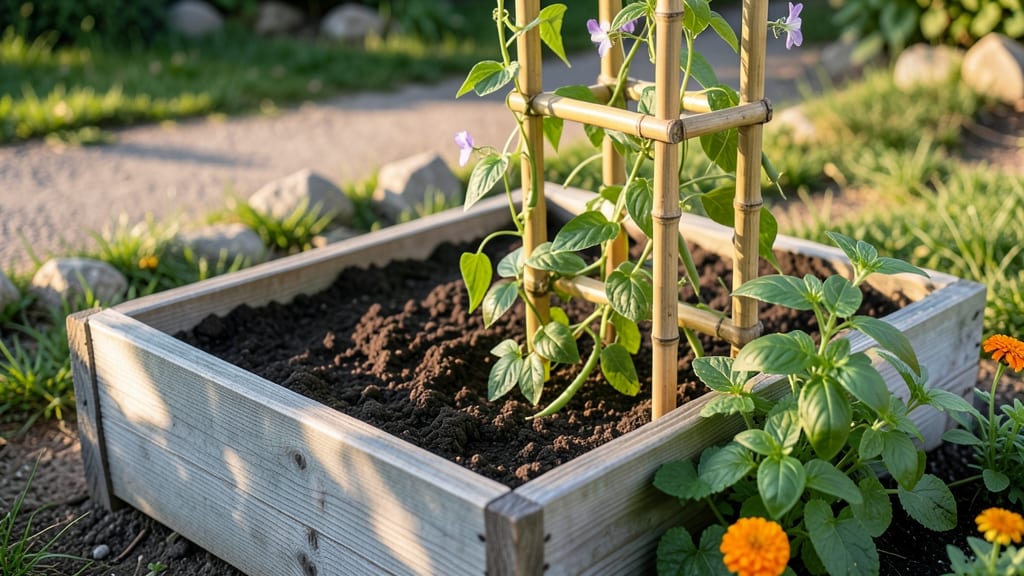
A raised bed with trellis turns wasted space into a vibrant vertical garden where tomatoes and cucumbers reach for the sky instead of sprawling across your yard. 🌱 I built mine after realizing my patio could grow twice as much—without taking up extra ground space.
The trellis isn’t just functional; it’s the star of my garden’s design, blending utility with charm while keeping produce off the ground and pests at bay.
The magic happens when you pair the right materials—durable cedar or galvanized metal for the frame, sturdy wooden or PVC trellis supports—and plant varieties that thrive climbing. Cherry tomatoes, bush beans, and cucumbers all love the vertical space, and the airflow keeps diseases like blight away.
My setup uses a 5-foot-by-2-foot bed with a 6-foot-tall trellis, but you can scale it down for balconies or up for full sun patches.
By midsummer, you’ll have lush, cascading vines heavy with fruit, all within arm’s reach for harvesting. The trellis also doubles as a living privacy screen or a focal point in your garden layout.
Plus, the raised bed’s elevated edges make weeding and watering a breeze—no more bending over for hours.
Works for any climate, from small urban patios to sprawling backyard plots. The key is matching your trellis height to your plants’ growth habits and securing it tightly so it doesn’t topple when vines get heavy. Let’s get growing upward!
📚 In This Guide
- What you need
- Instructions
- Tips and common mistakes
- Wrapping up and next steps
What you need
- ● Raised bed frame: Untreated wood (cedar or redwood recommended), 2x6 or 2x8 boards, 4-6 pieces (depending on size). Dimensions: 4’x8’ or custom (minimum 12” deep).
- ● Trellis structure: Metal or wooden T-posts: 4-6, 4-6 feet tall (or PVC pipes for lightweight option).
- ● Horizontal trellis supports: 1x2 or 2x2 boards, 4-6 pieces, cut to fit bed width.
- ● Twine, nylon mesh, or garden netting: 50-100 feet (for vertical vine support).
- ○ Hardware: Galvanized screws/nails, 2-3” long; corner brackets (optional for stability).
- ● Landscape fabric: 1 piece, slightly larger than bed base (to block weeds).
- ● Soil mix: High-quality potting soil or compost blend, ~1 cubic yard (for a 4’x8’ bed).
- ● Measuring tape, pencil, and speed square.
- ● Circular saw or handsaw (for cutting wood).
- ● Drill/driver + drill bits.
- ● Level (to ensure bed is even).
- ● Staple gun (for securing landscape fabric).
- ○ Optional: Post hole digger (if anchoring T-posts), staple gun, and work gloves.
- ● Sunny spot with 6+ hours of sunlight daily (tomatoes & cucumbers are sun-worshippers!).
- ● Level ground (or a flat base to set the bed on—bricks or pavers work too!).
- ● Access to water (a hose with a gentle spray nozzle is ideal).
- ● Pro tip: Check local building codes if your bed exceeds 30” in height (some areas require permits).
Step-by-step guide to building a raised bed with trellis
Here's how to create a functional climbing vine haven for tomatoes and cucumbers—no fancy tools required.
🪴 Step 1: Select and Assemble Your Raised Bed Frame
Choose a 4-foot by 8-foot frame (or smaller) using untreated lumber like cedar or redwood to resist rot. I like 2x6s or 2x8s for height—12 inches deep gives roots plenty of room. Cut two 4-foot lengths for the short sides and two 8-foot lengths for the long sides, then assemble with galvanized screws or corner brackets for durability.
Position the frame in a spot with full sun exposure (at least 6-8 hours daily). Tomatoes and cucumbers are heavy feeders, so avoid placing it where it’ll be difficult to rotate crops later. Level the ground beneath by removing rocks and adding a 2-inch layer of gravel for drainage—this prevents waterlogging and root rot.
☀️ Step 2: Install the Trellis System
For a simple yet sturdy trellis, use 1-inch diameter PVC pipes or wooden dowels arranged vertically inside the bed. I space mine 12 inches apart along the long sides, securing them with zip ties or wooden stakes driven into the bed’s corners. For a more decorative look, bend flexible metal rods into a crisscross pattern—just ensure they’re at least 6 feet tall to support mature vines.
If using a freestanding trellis (like a teepee or A-frame), attach it to the bed’s frame with heavy-duty straps or L-brackets. This keeps the structure stable even when vines are laden with fruit. Avoid flimsy materials—thin wire or plastic won’t hold up to cucumbers’ weight.
🌱 Step 3: Fill the Bed with the Right Soil Mix
Fill the bed with a 50/50 mix of high-quality garden soil and compost—this gives your vines the nutrients they crave. I add a 2-inch layer of coarse sand at the bottom for drainage, then top with 2-3 inches of compost to feed the soil over time. Avoid garden soil alone; it compacts easily and drains poorly.
Mix in a slow-release fertilizer (like 10-10-10) at planting time, following package rates. For extra vigor, sprinkle mycorrhizal fungi into the soil—it boosts root growth and disease resistance. Water the bed deeply after filling to settle the mix and remove air pockets.
✂️ Step 4: Plant and Train Your Climbing Vines
Plant tomato seedlings (determinate varieties work best) 18-24 inches apart along the trellis, burying them up to their first leaves to encourage strong root systems. Cucumbers go 12-18 inches apart—they sprawl more than tomatoes. Use soft ties (old T-shirts or strips of fabric) to gently secure vines to the trellis as they grow; avoid wire or anything that can cut into stems.
Prune suckers (the small shoots in the leaf axils) on tomatoes weekly to direct energy upward. For cucumbers, remove male flowers (they’re the ones with a small stem at the base) to save energy for fruit production. Watch for powdery mildew—a common issue with crowded vines—and treat early with neem oil if spots appear.
💧 Step 5: Maintain Water and Support Through the Season
Water deeply 2-3 times per week, aiming for 1-1.5 inches total—more in extreme heat. Drip irrigation works best; it keeps leaves dry and prevents fungal diseases. Mulch with straw or shredded leaves to retain moisture and suppress weeds. Avoid overhead watering after noon to let foliage dry quickly.
As vines grow, weave them through the trellis in a spiral or zigzag pattern—this prevents breakage from heavy fruit. Harvest tomatoes when fully colored and slightly soft, and cucumbers when firm and bright green. Prune old leaves near the base monthly to improve airflow and reduce disease risk.
Tips & tricks for building a sturdy raised bed trellis
Here's what I've learned after building (and fixing!) several raised beds over the years—these tricks will save you time and frustration.
Material Matters: When selecting lumber for your 4-foot by 8-foot frame, cedar or redwood are excellent choices because they naturally resist rot. If you're on a budget, pressure-treated pine works too, but avoid framing lumber that contains chemicals harmful to plants. For the trellis, PVC pipes are my go-to because they're lightweight, affordable, and won't warp like wood. The key is using 1-inch diameter pipes spaced 12 inches apart—this creates enough support without overcrowding your vines.
Foundation Fix: Don't skip the gravel layer! I learned this the hard way when my first bed developed waterlogging issues. That 2-inch layer of coarse sand and gravel at the bottom is what prevents root rot by ensuring proper drainage. If you're building on uneven ground, consider adding a 3-inch layer of landscape fabric between the gravel and soil to keep it from mixing and clogging the drainage system. This simple step makes all the difference in keeping your bed healthy.
Trellis Stability: For freestanding trellises like teepees, use heavy-duty straps or L-brackets to attach them to your bed frame. I've seen too many flimsy setups collapse under the weight of cucumbers! When securing your vertical supports, drive wooden stakes into the bed's corners for extra stability. This creates a 6-foot tall structure that won't sway when laden with fruit. Pro tip: Bury the stakes 6 inches deep for maximum stability.
Soil Science: That 50/50 mix of garden soil and compost is non-negotiable for climbing vines. I've found that adding 2-3 inches of compost on top after filling the bed gives your plants an extra nutrient boost as they grow. For even better results, mix in a handful of mycorrhizal fungi—it's like giving your plants a root system upgrade! Remember to water deeply after filling to settle everything properly.
Pro Tips for Raised Bed With Trellis
- Here's what I've learned after building (and fixing!) several raised beds over the years—these tricks will save you time and frustration.
- Material Matters: When selecting lumber for your 4-foot by 8-foot frame, cedar or redwood are excellent choices because they naturally resist rot.
- Foundation Fix: Don't skip the gravel layer!
Frequently asked questions
Got questions about creating your own raised bed with trellis? You’re not alone! Here are answers to some of the most common queries to help you grow like a pro.
What’s the best spacing for vines on a trellis?
For tomatoes, space plants 18–24 inches apart to allow airflow and prevent disease. Cucumbers need 12–18 inches of spacing. Use a trellis with horizontal wires or strings every 12–18 inches to support vines as they grow. Overcrowding leads to tangled vines and poor fruit production.
When is the ideal time to plant vines in a raised bed?
Plant tomatoes and cucumbers after the last frost when soil temps reach at least 60°F (15°C). For most climates, this means late spring (April–June). If using a trellis, install it before planting or as soon as seedlings are 6–8 inches tall to avoid disturbing roots.
Can I build a trellis without buying materials?
Repurpose bamboo stakes, old ladders, or even sturdy branches (like willow or grapevine) as natural trellises. For raised beds, DIY wire mesh or twine between posts works too. Just ensure it’s tall enough (5–6 feet for tomatoes) and secure enough to handle heavy vines.
How do I keep pests away from my trellised vines?
Pests like aphids, cucumber beetles, and hornworms love trellised plants. Neem oil or insecticidal soap works for soft-bodied bugs, while row covers deter beetles early on. Encourage beneficial insects (like ladybugs) and prune regularly to improve airflow, reducing hiding spots for pests.
Will a trellis work in hot or windy climates?
Yes, but with adjustments! In hot areas, use light-colored trellis materials to reflect heat and water deeply. For windy conditions, stake plants extra securely or choose bushier varieties (like ‘Patio’ tomatoes). A windbreak (like a mesh fence) can also protect delicate vines.
How do I fix a wobbly trellis?
If your trellis sags or leans, reinforce posts with stakes or cement anchors for stability. For wire trellises, tighten loose sections or add zip ties to secure vines. If using a wooden frame, check for rot and replace damaged parts. A diagonal brace between posts can add extra support.
Wrapping up and next steps
A raised bed with trellis isn’t just a smart gardening hack—it’s a game-changer for growing bountiful, healthy tomatoes and cucumbers while saving space and effort. By maximizing vertical growth, you’ll enjoy higher yields, fewer pests, and easier harvesting—all while transforming your garden into a thriving, organized oasis. 🌱
Ready to get started? Sketch your design, gather your materials, and build your trellis today! Whether you’re a seasoned gardener or a beginner, this project is rewarding—and your future harvests will thank you. Happy gardening! 🍅🌿