
Tools
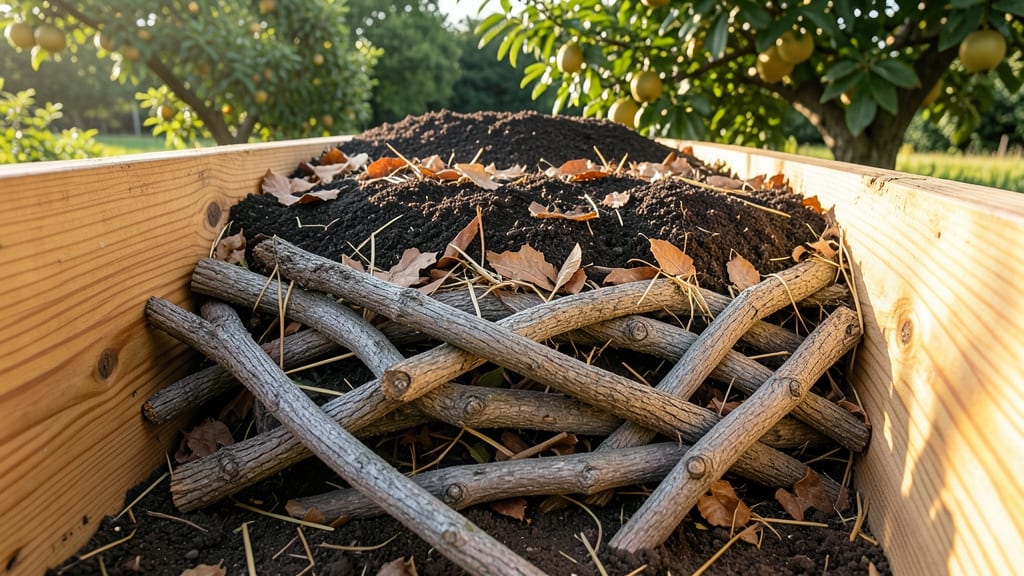
Maximizing small urban spaces? These 10 creative raised bed vegetable garden layouts prove you don’t need acres to grow a bountiful harvest. Perfect for balconies, patios, or tiny yards, each design optimizes space while ensuring sunlight, drainage, and plant compatibility.
Square Foot Gardening Grid Layout
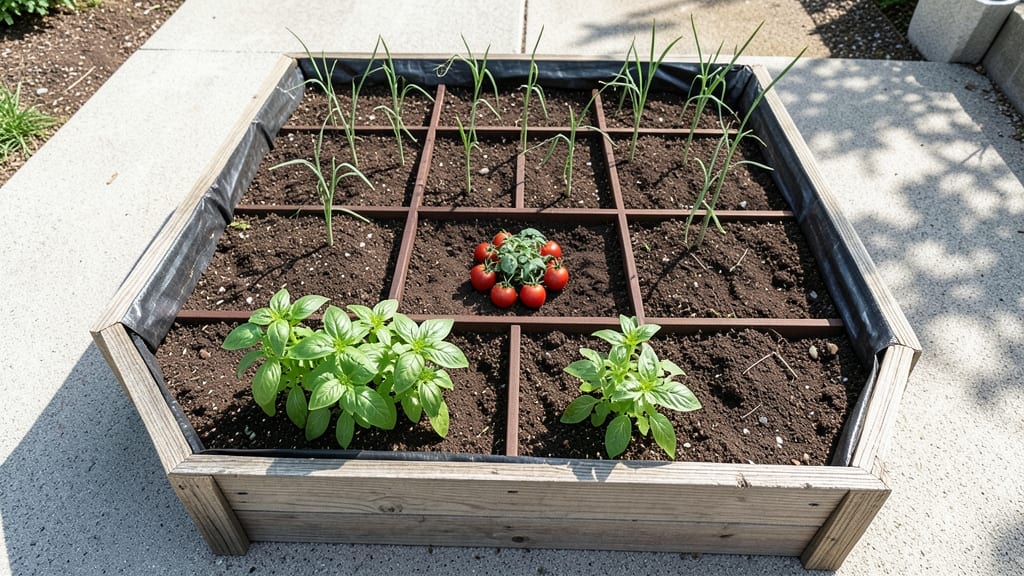
Struggling to fit a full garden into a tiny yard? The square foot gardening grid layout transforms even the smallest raised beds into high-yield, organized spaces—perfect for beginners who want structure without complexity.
This method divides your bed into a 1-foot grid, with each square dedicated to a specific plant or group of plants based on their mature size. For example, a 4x4-foot bed becomes 16 squares, where you might plant 16 radishes (1 per square), 4 onions (4 per square), or 1 tomato plant (1 per square). A simple planting chart ensures you maximize space and avoid overcrowding.
Urban gardeners and first-time growers love this system because it eliminates waste—no more buying extra seeds or struggling with overgrown plants. Plus, the grid makes maintenance a breeze, letting you focus on nurturing thriving plants. 🌱
Vertical Trellis Raised Bed
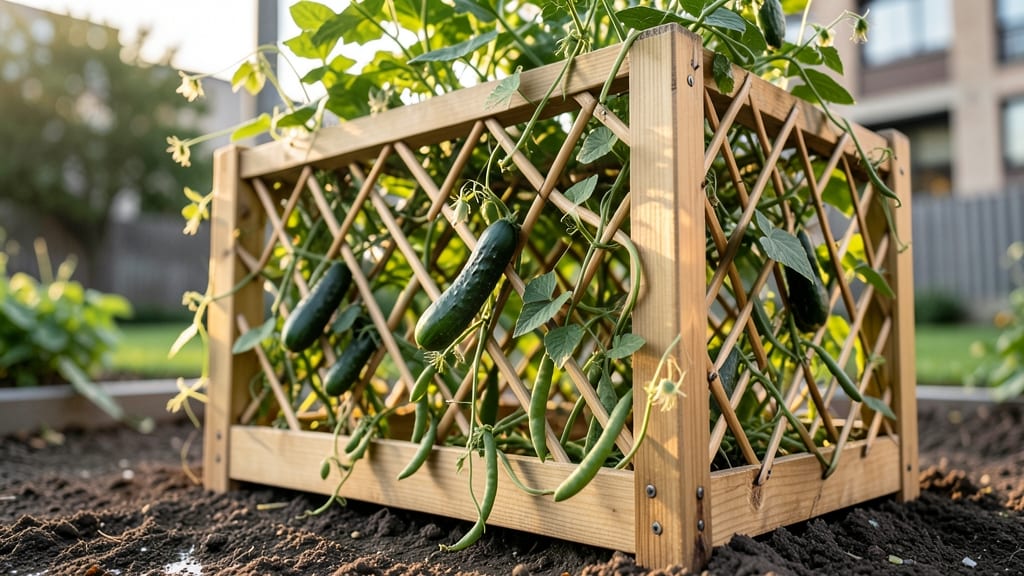
Transform your small garden into a vertical harvest haven with a vertical trellis raised bed—the perfect solution for space-loving climbers like cucumbers, pole beans, and peas. By training vines upward, you free up precious floor space while keeping fruits and pods off damp soil, reducing rot and pest damage.
Install a sturdy trellis (wooden lattice or metal mesh) along one side of your raised bed, leaving enough room below for shallow-rooted companions like lettuce or radishes. Plant fast-growing cucumbers near the trellis and let them spiral upward, while bush beans stay at ground level. Water at the base to encourage strong stems—this design thrives with 4-6 hours of sun and regular pruning to control sprawl.
Urban gardeners and balcony growers will love how this layout maximizes yield in tight spots while keeping harvests clean and accessible. Plus, the vertical greenery adds a lush, dynamic look to any small space. 🌱
Spiral Herb Garden Bed
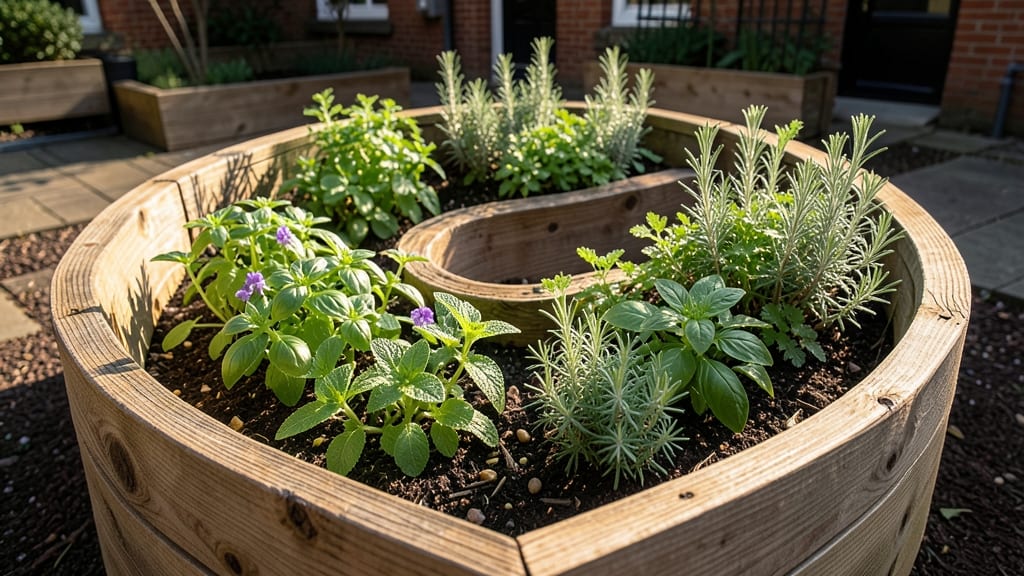
Turn your tiny urban garden into a thriving herb haven with a spiral herb garden bed, where sun-loving basil and rosemary can grow alongside shade-tolerant mint and parsley—all in one compact, visually stunning design.
The spiral shape creates natural microclimates by gradually shifting sunlight exposure from the outer edges (full sun) to the inner curves (partial shade). Start by building a raised bed with a 3-4 foot diameter, then arrange plants in concentric rings based on their light needs. Place drought-tolerant herbs like thyme and oregano near the outer edge, while moisture-loving cilantro and chives thrive in the shadier inner curves.
This layout is perfect for urban gardeners with limited space who want both beauty and functionality. The spiral design also makes harvesting a breeze—no more bending or reaching! 🌿
Keyhole Garden Layout
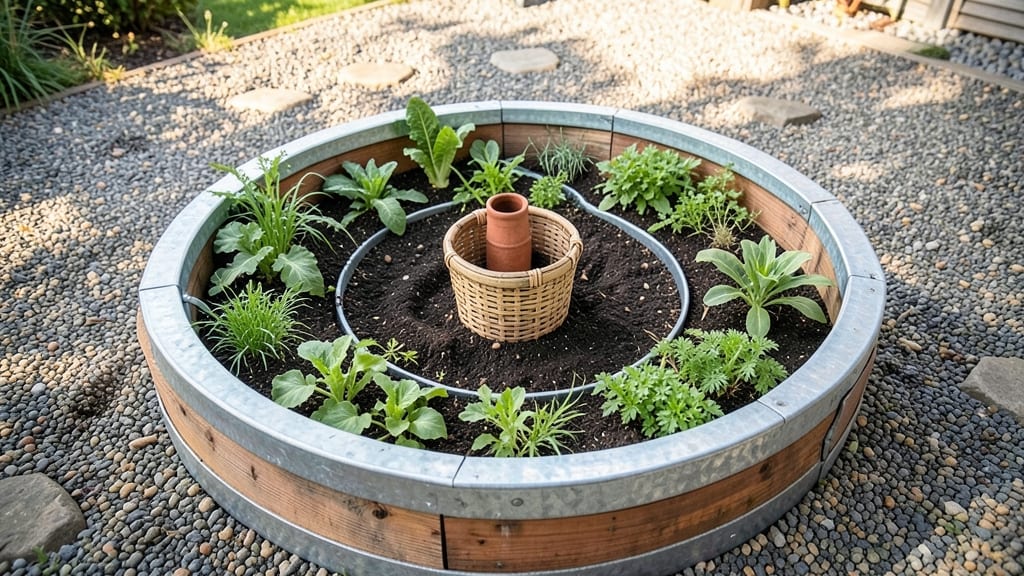
Tired of watering your garden every day? The keyhole garden layout transforms your raised bed into a self-sustaining water system with a built-in compost basket at its center. This circular or oval design channels water directly to plant roots while reducing evaporation, making it perfect for drought-prone areas or busy gardeners.
Start by building a circular or oval bed (3-6 feet wide) with a central compost hole filled with organic waste like kitchen scraps or leaves. Surround it with drought-tolerant vegetables like sweet potatoes, tomatoes, and peppers, which thrive with minimal watering. The compost basket not only feeds your plants but also creates a self-watering effect as moisture seeps outward. You’ll love how this layout allows year-round planting—just swap out crops seasonally!
This design is ideal for urban gardeners with limited space or those seeking a low-maintenance, sustainable solution. The compost basket means fewer trips to the store for fertilizer, and the circular shape maximizes every inch of growing area. 🌿
Tiered Raised Bed System
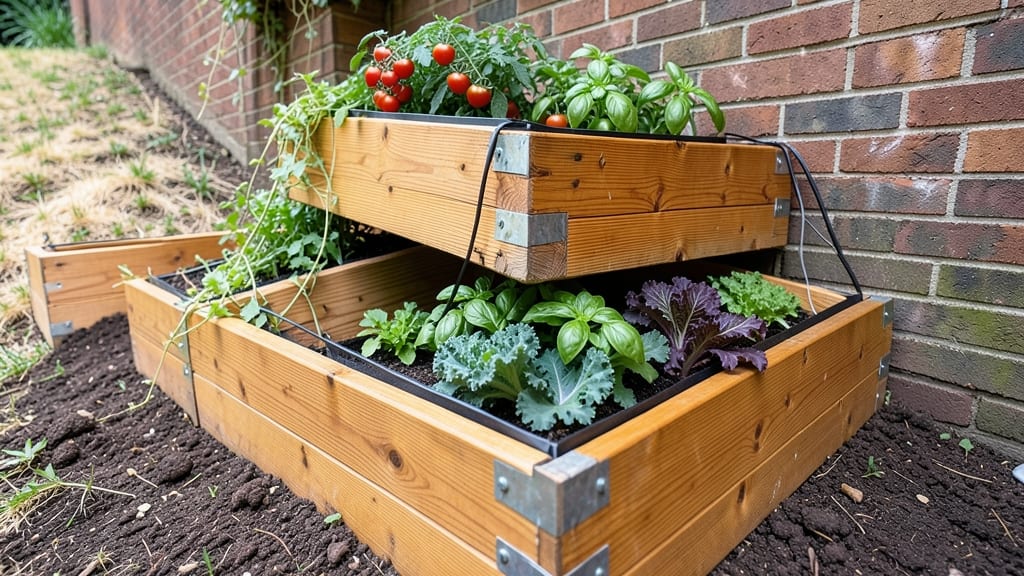
Turn your limited urban yard into a vertical harvest powerhouse with a tiered raised bed system. By stacking beds at different heights, you can grow more in less space—ideal for sloped areas where traditional beds would erode or take up too much ground.
Each tier can host different crops based on sunlight needs: place sun-loving tomatoes on the top level, medium-light lettuce in the middle, and shade-tolerant radishes at the bottom. Use wooden or composite materials for durability, and ensure each tier has proper drainage to prevent waterlogging. This system works beautifully on patios, decks, or even against a fence.
Perfect for urban gardeners with limited square footage, tiered beds also make harvesting easier by bringing crops to waist height. Plus, the layered look adds visual interest to small spaces! 🌻
Intercropping Raised Bed
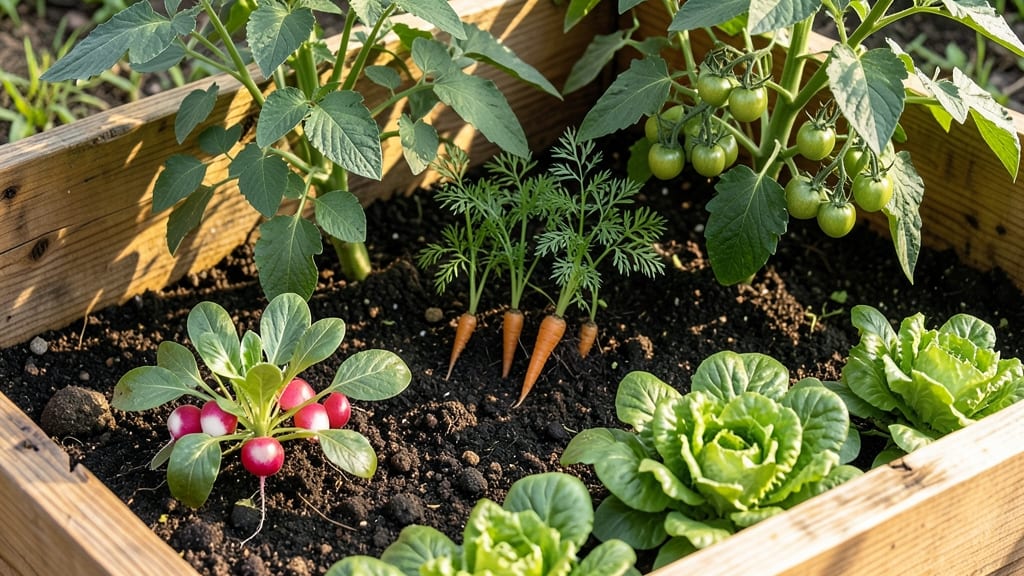
Want to squeeze every last inch of harvest potential from your raised bed? Intercropping lets you pair quick-growing crops like radishes or lettuce with slower-maturing plants such as carrots or tomatoes, ensuring no space—or time—goes to waste.
This clever technique works by planting fast harvesters (like radishes in 30 days) alongside slow growers (like carrots in 70 days). The shallow roots of radishes won’t disturb deeper carrots, while the lettuce’s quick turnaround frees up space for replanting. For best results, space radishes every 2 inches and carrots 2-3 inches apart, with lettuce in between. Succession planting every 2 weeks keeps the cycle going.
Perfect for urban gardeners with limited space, intercropping maximizes yield without expanding your footprint. It’s also beginner-friendly—just follow the right pairings, and you’ll enjoy a steady stream of fresh produce all season long. 🌱
Modular Pallet Garden Bed
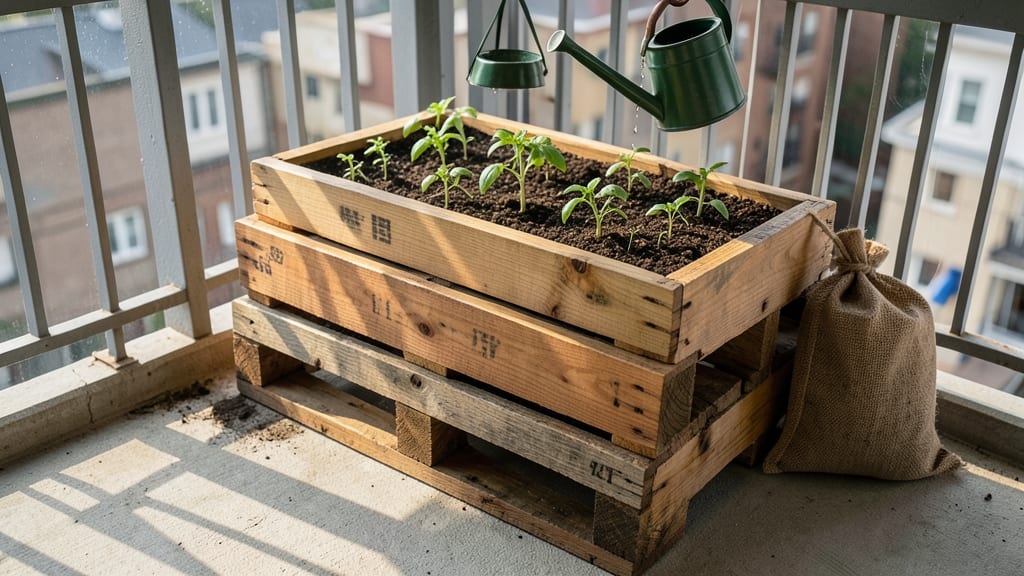
Turn your old wooden pallets into a customizable garden bed without breaking the bank. These sturdy, repurposed structures are perfect for renters, balcony gardeners, or anyone who needs a flexible growing solution that can be moved or reconfigured in minutes.
Start by stacking pallets to create a 4-foot by 8-foot frame (or smaller for tight spaces) and line the bottom with landscape fabric to prevent soil loss. Fill with a mix of topsoil, compost, and perlite for drainage, then plant leafy greens, herbs, or compact veggies like radishes or bush beans. The natural wood also adds rustic charm to urban patios.
This setup is ideal for seasonal gardeners who want to disassemble their beds in winter or renters who need a portable solution. Plus, pallets are often free or low-cost from local businesses. 🌱
Companion Planting Raised Bed
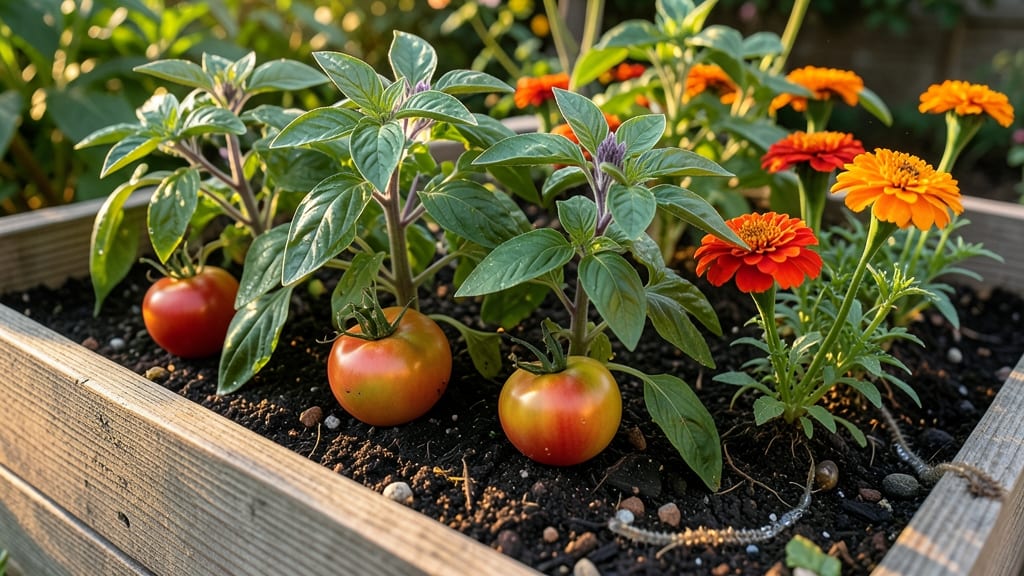
Tired of battling pests and watching your vegetables struggle in crowded beds? A companion planting raised bed turns those challenges into advantages by strategically pairing plants that support each other—like basil boosting tomato flavor while repelling aphids, or marigolds confusing pests with their scent near peppers.
Start with a 4x8-foot bed and group plants by their mutual benefits: place onion family crops near carrots to deter carrot flies, or nestle nasturtiums at the edges to lure aphids away from your main crops. This method also maximizes space by pairing tall plants like tomatoes with low-growing lettuce, ensuring every inch works harder for you.
Urban gardeners and beginners will love this low-maintenance approach—it reduces the need for pesticides while creating a thriving, self-regulating ecosystem. Watch your harvest grow stronger and healthier with nature’s own pest control. 🌟
Window Box Raised Bed
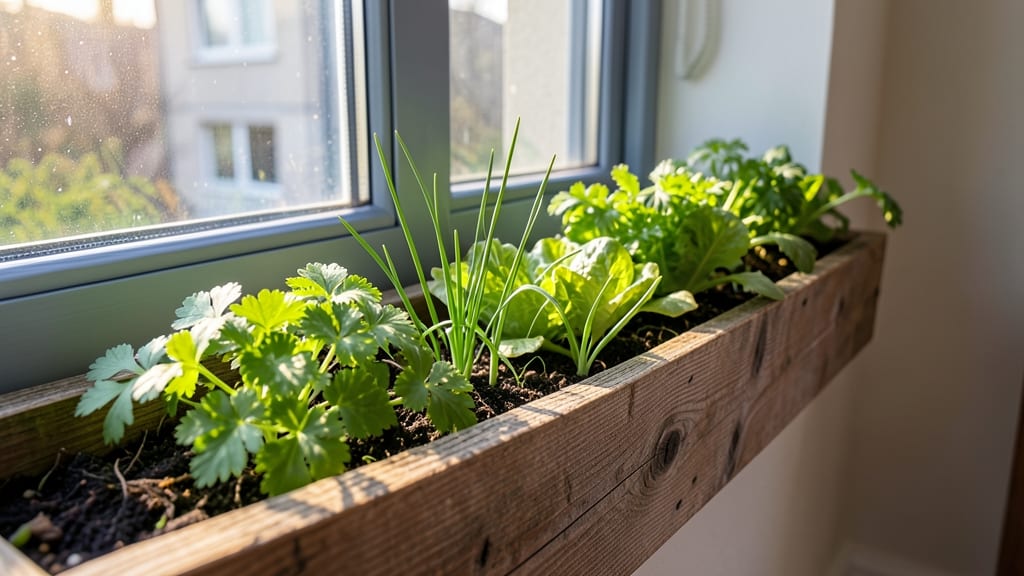
No yard but plenty of windows? A window box raised bed transforms your apartment into a mini farm, letting you grow shallow-rooted herbs and greens like parsley, chives, and lettuce right outside your kitchen.
These narrow, elongated beds attach directly to windowsills or walls, giving you instant access to fresh produce while maximizing sunlight exposure. Opt for 6–12 inches of soil depth to accommodate root vegetables like radishes, and use lightweight containers to avoid straining your walls. Watering is a breeze—just place the box where it gets 4–6 hours of sun daily, and you’ll enjoy a steady harvest all season long.
Perfect for renters or anyone with limited space, this layout turns even the smallest balcony into a thriving garden. 🌿
Hugelkultur Raised Bed

Want a raised bed that feeds your soil and your plants for years to come? Hugelkultur turns wood waste into a nutrient powerhouse while creating a self-watering system that thrives in drought conditions.
Start by layering branches and logs at the bottom of your bed, followed by carbon-rich materials like straw or leaves. Top with 6-12 inches of soil and plant drought-resistant crops like kale, Swiss chard, or rosemary. The decomposing wood slowly releases nutrients, creating rich soil over time, while the structure retains moisture like a natural sponge.
This low-maintenance design is perfect for permaculture enthusiasts or gardeners in dry climates who want to reduce watering while building fertile soil. Your plants will thank you for years to come! 💚