
How To
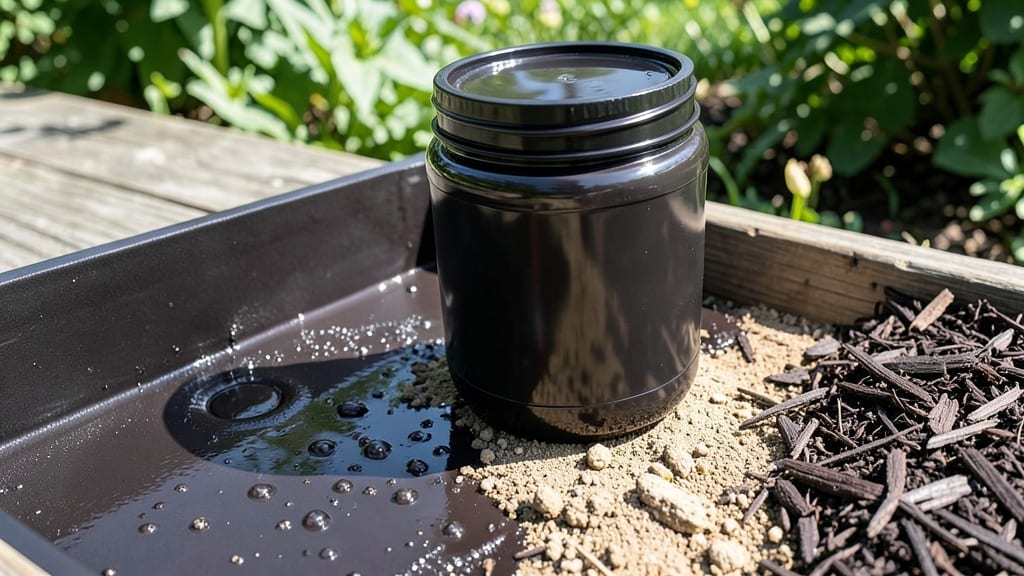
A proper raised bed sealer safeguards against rot, warping, and harsh weather while maximizing your wood's durability. For edible gardens, prioritize non-toxic options like linseed oil or water-based polyurethane, and apply during dry, mild conditions for optimal protection.
Wood in raised beds faces constant threats from moisture, UV rays, and temperature shifts, which is why selecting the right sealer is crucial. 🔥 Unlike regular wood treatments, garden-specific sealants must balance protection with food safety—linseed oil, for example, penetrates deeply to prevent cracking while remaining non-toxic, whereas oil-based polyurethane creates a protective barrier but may require more frequent reapplication.
The key is matching your sealer to both your wood type (cedar resists rot naturally but needs UV protection) and climate (humid areas demand more moisture resistance).
Timing matters just as much as the product: applying sealer during high humidity or extreme temperatures can trap moisture in the wood, accelerating decay.
I always wait for a stretch of 50-75°F weather with low humidity, and I never skip the prep work—sanding rough spots and cleaning debris ensures the sealer adheres properly.
A common mistake is skipping the final coat or using the wrong tool (a roller can leave uneven coverage), which leads to premature wear. For best results, reapply every 1-3 years, depending on your climate and wood type.
💡 In This Article
- Types of Raised Bed Sealants: Pros and Cons for Wood Preservation
- Step-by-Step Guide to Applying Raised Bed Sealer for Maximum Longevity
Types of raised bed sealants: pros and cons for wood preservation
Wood sealers work by either penetrating the wood fibers or forming a protective surface layer, each with distinct advantages. Linseed oil, a natural penetrating oil made from flaxseeds, soaks deep into wood (up to 1/8 inch) to prevent cracking and shrinking while remaining non-toxic for edible gardens.
It's ideal for cedar and redwood, which naturally resist rot but need UV protection—linseed oil blocks 40-50% of moisture absorption while allowing the wood to breathe. The downside? It requires frequent reapplication (every 6-12 months) and can yellow over time if exposed to sunlight.
On the other hand, water-based polyurethane creates a durable surface barrier that repels water and resists UV rays, making it perfect for pine or pressure-treated wood in high-moisture climates.
It dries quickly (about 2-4 hours) and emits fewer fumes than oil-based versions, but it can trap moisture if applied too thickly, leading to mold. For extreme conditions, spar urethane offers superior UV resistance but contains solvents that may require ventilation during application. 🌟 The trade-off?
While polyurethane lasts 3-5 years between coats, it doesn't penetrate as deeply as linseed oil, so surface scratches can expose untreated wood over time.
For organic gardens, beeswax blends provide a natural, food-safe option that adds a subtle sheen while offering mild water resistance. These sealers work best on pre-treated wood and require reapplication every 1-2 years but lack the durability of synthetic options.
The key difference lies in their application: penetrating oils like linseed oil should be applied with a brush to ensure full saturation, while polyurethane benefits from a roller for even surface coverage.
Climate plays a huge role—humid regions demand sealers with higher moisture resistance (like spar urethane), while dry climates can get away with lighter oils.
Wood type also dictates the best sealer. Cedar, naturally resistant to rot, benefits most from linseed oil or beeswax to preserve its aromatic qualities, while pine, prone to warping, needs the structural support of polyurethane.
Redwood, rich in tannins, holds up well with minimal sealing but still requires UV protection.
The science here involves moisture absorption rates: untreated wood can absorb up to 200% of its weight in water, while properly sealed wood stays within 50%—a critical factor for preventing fungal growth and structural integrity.
Toxicity is another critical factor, especially for edible gardens. Oil-based polyurethane contains VOCs (volatile organic compounds) that can off-gas for weeks, while water-based versions are safer but may require more coats for equivalent protection.
Natural options like linseed oil or tung oil are the gold standard for food safety but need careful application to avoid surface buildup. The best approach? Start with a food-safe penetrating oil for the base, then top with a water-based polyurethane for added durability—this hybrid method balances protection and safety.
What most gardeners overlook is how sealers interact with soil chemistry. Over time, leached sealants can alter soil pH, particularly in raised beds with limited drainage. Linseed oil, for example, breaks down into glycerin and fatty acids that may slightly acidify soil, while polyurethane remains inert.
For long-term health, consider using organic, food-grade sealers and testing soil pH annually. The right sealer isn't just about wood—it's about creating a sustainable ecosystem for your plants.