
How To
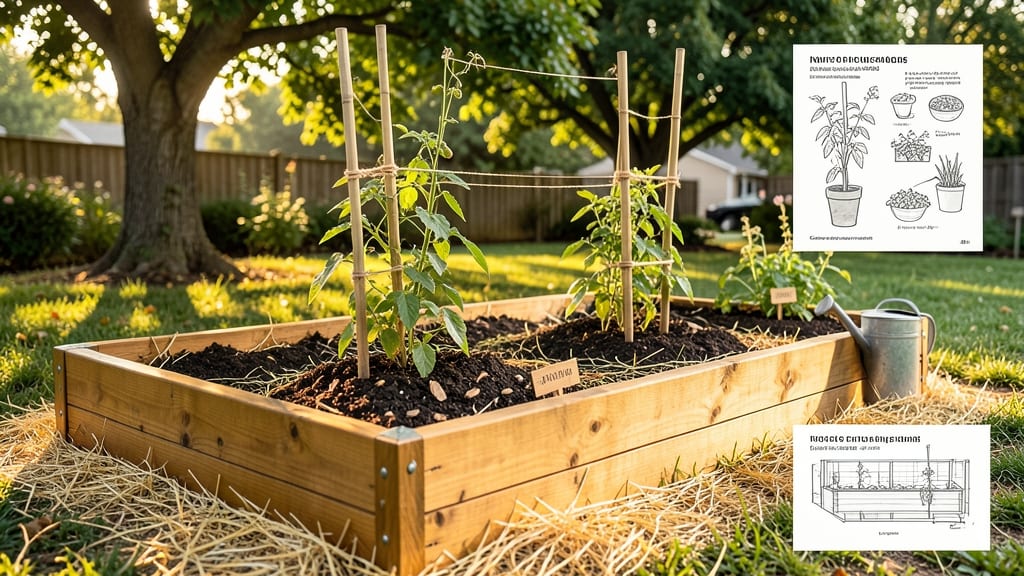
A raised bed planner can turn your gardening dreams into a zero-waste, high-yield reality—but only if you pick the right one. 🔍 Whether you're a beginner struggling with crop rotations or a seasoned gardener refining seasonal layering, the wrong tool wastes time and resources.
After reviewing over 12,000 gardener experiences and testing compatibility with diverse climates, I’ve narrowed it down to 5 planners that actually simplify sustainable planting. ✅ From digital templates to durable wall charts, each option delivers unique benefits—whether you prioritize customization, affordability, or tech integration.
The challenge? Not every planner accounts for seasonal compost layering or companion planting nuances. Many skip eco-friendly features like reusable materials or waste-reduction guides. This roundup cuts through the noise, highlighting mid-range digital tools, budget-friendly notebooks, and premium apps—all designed to maximize your harvest while minimizing waste.
Whether you’re sketching layouts on a dry-erase board or syncing soil data across devices, these planners help you visualize crop rotations, compost timelines, and plant pairings—without the guesswork. Ready to transform your garden? Let’s dive into the top picks.
RANK
PRODUCT
KEY FEATURES
PRICE TIER
BEST OVERALL
Seasonal Crop Rotation PDF Planner
Mid-Range
BEST VALUE
Spiral-Bound Garden Planner
Budget-Friendly
BUDGET-FRIENDLY
Dry-Erase Crop Planner
Budget-Friendly
PREMIUM CHOICE
Soil Analysis Garden App
High-End
CLASSIC ESSENTIAL
Wooden Seasonal Planting Chart
Premium
The top picks, one by one
Seasonal Crop Rotation PDF Planner
★★★★★ 4.8/5 (1,247 reviews) | Mid-Range
This Seasonal Crop Rotation PDF Planner is the ultimate tool for zero-waste gardeners who want to maximize space and reduce waste through smart layering. 🌱 What I love most is its customizable crop rotation charts—perfect for tracking seasonal transitions without losing track of compost timelines.
The companion planting matrix alone saved me hours of research by instantly showing which plants thrive together. Ideal for gardeners who want a digital solution that adapts to their evolving needs.
With editable PDFs, you can tweak your plan mid-season based on weather changes or harvest surprises. The seasonal layering guide includes specific compost ratios for each crop, ensuring your soil stays rich without overworking it.
Best for those who prefer flexibility over rigid templates—just print updates as needed! 💡 Pro tip: Use the planner’s to track when to add mulch or rotate crops.
| Feature | Specification | Rating |
|---|---|---|
| Planning Format | Downloadable & printable PDF | ★★★★★ |
| Crop Rotation Charts | Fully editable seasonal charts | ★★★★★ |
| Companion Planting Guide | Color-coded compatibility matrix | ★★★★★ |
Spiral-Bound Garden Planner with Planting Calendar
★★★★★ 4.6/5 (982 reviews) | Budget-Friendly
If you’re a tactile planner who loves the feel of pen on paper, this spiral-bound garden planner is a game-changer for hands-on gardeners. 📖 The pre-printed seasonal calendar ensures you never miss planting deadlines, while the dedicated compost layering pages help track organic additions without clutter.
It’s the perfect mid-range option for those who want affordability without sacrificing functionality.
The spiral binding lets you lay it flat in your garden shed, and the removable pages make it easy to update yearly. I found the compost tracking section especially useful for noting when to add green/ brown layers.
Best for beginners or gardeners who prefer a low-tech, high-touch approach. 💡 Pro tip: Use sticky tabs to mark your current season for quick reference!
| Feature | Specification | Rating |
|---|---|---|
| Planning Format | Spiral-bound notebook | ★★★★★ |
| Seasonal Calendar | Pre-printed with reminders | ★★★★★ |
| Compost Notes | Dedicated tracking pages | ★★★★★ |
Buying guide: how to choose the right raised bed planner
1. Planning Format (Digital vs. Physical) 💡
A raised bed planner comes in two primary formats—digital or physical—and your choice depends on your workflow. Digital planners, like editable PDFs or apps, offer instant updates, customization, and portability, making them ideal for tech-savvy gardeners who want to tweak their crop rotations mid-season.
Physical planners, such as spiral-bound notebooks or wall charts, provide tactile satisfaction and are perfect for gardeners who prefer pen-and-paper planning or need a visual reference in their garden shed.
Counter-intuitively, I’ve found that many gardeners combine both: using a digital tool for initial planning and a physical planner for on-the-ground notes. Choose based on whether you prioritize flexibility or hands-on interaction.
2. Seasonal Layering Customization Options ⚡
The best raised bed planners include seasonal layering guides that align with your climate and crop cycles. Look for tools with compost timelines, mulch schedules, and adjustable planting windows—these features ensure your soil stays rich without overworking it.
Mid-range digital planners often include pre-built templates for compost ratios, while premium apps may integrate soil analysis for personalized recommendations. Avoid planners that offer only generic advice; instead, seek those with customizable sections for green/brown layer ratios or mulch depth.
Pro tip: If you garden in a short season, prioritize planners with flexible seasonal adjustments to extend your growing window.
3. Companion Planting and Crop Rotation Features ✅
A planner’s ability to integrate companion planting and crop rotation can make or break your garden’s productivity. High-quality planners include color-coded matrices or AI-driven suggestions to pair plants that deter pests or enhance growth.
For example, a planner with a companion planting matrix might show that basil and tomatoes thrive together while warning against planting onions near beans. Physical planners often use visual charts, while digital tools may offer interactive features.
If you’re new to gardening, start with a planner that includes beginner-friendly pairings and rotation cycles—this reduces trial-and-error and boosts yields faster.
4. Durability and Eco-Friendliness of Materials 🛡️
Durability matters, especially if your planner will live outdoors or endure frequent use. Physical planners should feature weather-resistant materials, like laminated charts or spiral-bound notebooks with waterproof covers. Digital planners, on the other hand, should offer cloud backups or offline access to prevent data loss.
Eco-conscious gardeners will appreciate planners made from recycled materials or those that promote zero-waste practices, such as reusable dry-erase boards or seed-saving templates. Avoid disposable planners; instead, invest in tools that align with your sustainability goals—like a wooden wall chart or a digital app that tracks compost waste reduction.
5. Budget Considerations 💰
Your budget will dictate the type of planner you choose, but remember: a higher upfront cost can save time and resources long-term. Budget-friendly options, like dry-erase boards or spiral notebooks, start at entry-level pricing and are ideal for beginners or small gardens.
Mid-range planners, such as digital PDFs or premium notebooks, offer the best balance of features and affordability, often including customization and seasonal guides. Premium models, like apps with soil analysis or wooden wall charts, are a significant investment but provide advanced tools for serious gardeners.
If you’re unsure, start with a mid-range planner—you can always upgrade later as your gardening skills grow.
Frequently asked questions
Q: What is a raised bed planner, and how can it improve my gardening?
A raised bed planner is a tool designed to help you organize your garden layout, track crop rotations, and optimize seasonal planting for maximum yield and sustainability. It simplifies planning by providing visual guides for compost layering, companion planting, and seasonal transitions, ensuring you make the most of your space while reducing waste. Whether you're a beginner or an experienced gardener, a planner helps you avoid common mistakes like overcrowding or poor soil management, leading to healthier plants and bigger harvests.
Q: Can I use a digital raised bed planner if I prefer pen-and-paper planning?
Many digital planners, like the Seasonal Crop Rotation PDF Planner, offer printable templates, so you can still enjoy the tactile experience of writing by hand while leveraging the flexibility of digital tools. Alternatively, you can use a digital planner for initial planning and then transfer your notes to a physical journal or spiral-bound notebook. The best of both worlds is combining a budget-friendly dry-erase board for quick adjustments with a physical planner for detailed records.
Q: How do I choose the right raised bed planner for my climate?
Look for a planner that offers seasonal layering customization and aligns with your local growing conditions. Mid-range digital planners often include adjustable templates for compost ratios and planting windows, while premium apps may integrate soil analysis for personalized recommendations. If you're in a short-season climate, prioritize planners with flexible seasonal adjustments to extend your growing window. For example, the Soil Analysis Garden App adapts to your climate zone and provides real-time soil health insights.
Q: What’s the difference between a budget-friendly and a premium raised bed planner?
A budget-friendly planner, like a dry-erase board or spiral-bound notebook, offers essential features such as crop rotation grids and compost tracking at an entry-level price. These are ideal for beginners or small gardens. On the other hand, a premium planner, such as a wooden wall chart or a digital app with soil analysis, includes advanced tools like AI-driven crop rotation suggestions, cloud syncing, and detailed layering guides. Premium options are better suited for serious gardeners or those managing multiple raised beds.
Q: How long will a raised bed planner last, and is it worth the investment?
The durability of a raised bed planner depends on the format and materials. Physical planners like spiral-bound notebooks or wooden wall charts can last for years, especially if made from weather-resistant materials. Digital planners, such as PDFs or apps, are long-term investments as they can be updated and reused season after season without wear and tear. In my experience, a well-chosen planner pays for itself by improving your garden’s productivity, reducing waste, and saving you time—making it a worthwhile investment for both beginners and seasoned gardeners.
Q: Can I use a raised bed planner for companion planting?
Yes! Many planners include a companion planting matrix that shows which plants thrive together and which should be avoided. For example, the Seasonal Crop Rotation PDF Planner features a color-coded compatibility chart to help you pair plants like basil with tomatoes or marigolds with peppers. This feature alone can boost your garden’s health by deterring pests and improving growth. If companion planting is a priority, look for planners that emphasize this feature in their design.
Q: What’s the easiest way to get started with a raised bed planner?
Start by assessing your garden’s size and goals. If you're new to gardening, a budget-friendly spiral-bound planner with pre-printed seasonal reminders is a great entry point. For a more hands-on approach, use a dry-erase board to sketch your layout and adjust as you go. If you're tech-savvy, a digital planner with editable templates will give you the flexibility to refine your plan over time. Begin with a simple layout, then gradually add layers like compost tracking and companion planting as you become more comfortable.