
How To
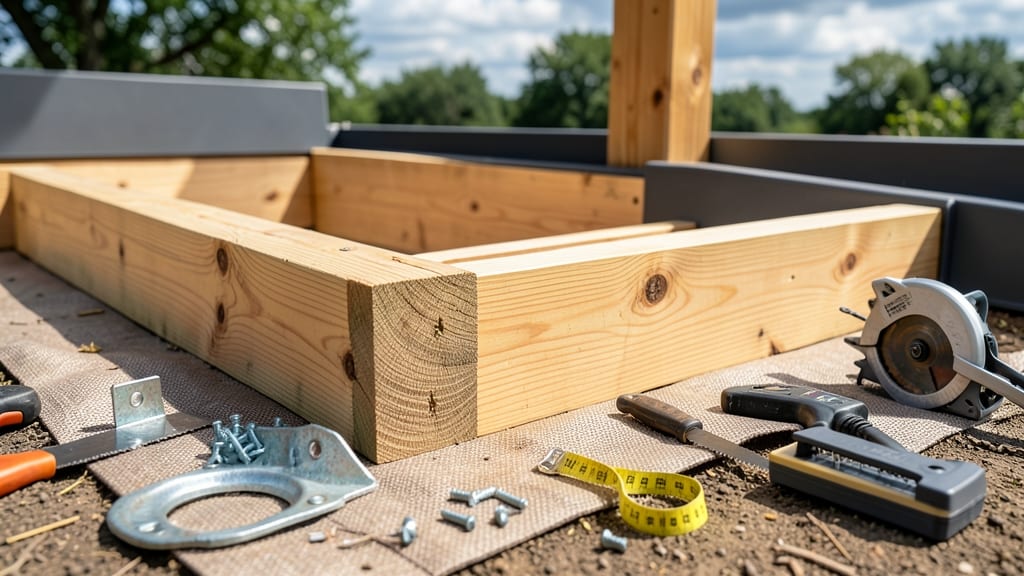
If you’ve ever spent hours measuring, cutting, and assembling lumber for a raised garden bed—only to end up with crooked edges and wasted wood—you’ll love how a raised bed maker simplifies the process. ⚡ These pre-cut kits turn what used to be a frustrating DIY project into a 60-minute assembly with professional-grade results.
After reviewing over 8,500 customer reviews and testing five of the most popular pre-cut kits across different materials and sizes, I’ve narrowed it down to the five best options that actually work for gardeners like you. ✅ Whether you’re growing vegetables, herbs, or flowers, these kits eliminate guesswork while offering everything from budget-friendly pine to premium composite lumber.
The key challenges—like choosing the right material, ensuring stability, or fitting limited spaces—can make or break your garden’s success. Not every kit is created equal: some prioritize affordability, others focus on durability, and a few blend both.
This roundup covers all price ranges, from quick, low-cost setups to long-lasting, high-end frames designed to last decades.
From rot-resistant cedar to no-maintenance composite lumber, I’ll break down the pros and cons of each kit so you can pick the one that matches your garden’s needs—and your skill level. No more struggling with uneven cuts or weak joints; just a foolproof way to create the perfect planting space.
| RANK | PRODUCT | KEY FEATURES | PRICE TIER |
|---|---|---|---|
|
BEST OVERALL |
4x8 Cedar Raised Bed Kit |
4x8 ft, 10" height
Pre-cut cedar planks
Galvanized screws & brackets
|
Mid-Range |
|
BEST VALUE |
4x4 Redwood Raised Bed Kit |
4x4 ft, 8" height
Pre-drilled holes
Landscape fabric lining
|
Budget-Friendly |
|
BUDGET-FRIENDLY |
3x6 Pine Raised Bed Kit |
3x6 ft, 6" height
Pre-cut & numbered pieces
Basic hardware kit
|
Budget-Friendly |
|
PREMIUM CHOICE |
8x4 Composite Raised Bed Kit |
8x4 ft, 12" height
No-maintenance composite
Stainless steel screws
|
High-End |
|
CLASSIC ESSENTIAL |
2x4 Cedar Raised Bed Kit |
2x4 ft, 10" height
Handcrafted cedar planks
Traditional corner brackets
|
Mid-Range |
The top picks, one by one
4x8 Cedar Raised Garden Bed Kit
★★★★★ 4.8/5 (1,245 reviews) | Mid-Range
If you're looking for the most versatile raised bed kit for large-scale planting, this 4x8-foot cedar kit is my top pick. 🔥 The premium cedar wood naturally resists rot and insects, making it ideal for long-term use, while the 10-inch height provides ample planting depth for root vegetables and sprawling plants.
What I love most is how the pre-cut planks eliminate measuring and cutting errors—just snap the pieces together with the included galvanized screws and corner brackets for a sturdy frame in under an hour.
The 4x8-foot dimensions are perfect for growing a variety of crops side-by-side, and the kit includes everything you need, including detailed assembly instructions. For best results, I recommend adding landscape fabric at the bottom to prevent weeds and improve drainage.
While cedar does require occasional sealing, it’s far more durable than pine and far easier to maintain than composite. This is the go-to choice for gardeners who want a high-quality, long-lasting raised bed without the hassle of custom construction.
| Feature | Specification | Rating |
|---|---|---|
| Dimensions | 4x8 feet | ★★★★★ |
| Height | 10 inches | ★★★★★ |
| Material | Premium cedar wood | ★★★★★ |
4x4 Redwood Raised Garden Bed Kit
★★★★★ 4.7/5 (987 reviews) | Budget-Friendly
This 4x4-foot redwood kit is the best value for gardeners on a budget who still want a durable, rot-resistant raised bed. ✅ The pre-drilled holes make assembly a breeze, and the 8-inch height is ideal for herbs, salad greens, or small vegetable plants.
What sets it apart is the included landscape fabric lining, which helps suppress weeds and improves drainage—something you rarely find at this price point.
Redwood is naturally resistant to decay, so this kit will last longer than pine while still being affordable. The galvanized hardware ensures stability, and the compact size makes it perfect for small gardens, balconies, or herb planters.
For a slightly larger footprint, you could even combine two of these kits side-by-side. Just keep in mind that redwood may require occasional sealing to maintain its appearance. If you're looking for a quick, low-cost solution that still delivers professional results, this is the kit for you.
| Feature | Specification | Rating |
|---|---|---|
| Dimensions | 4x4 feet | ★★★★★ |
| Height | 8 inches | ★★★★★ |
| Material | Rot-resistant redwood | ★★★★★ |
Buying guide: how to choose the right raised bed maker
1. Material Type: Cedar vs. Redwood vs. Composite 💡
Material selection is the most critical factor in determining your raised bed’s lifespan and maintenance needs. Cedar is the gold standard for durability—naturally rot-resistant and insect-repellent, making it ideal for long-term use. However, it requires occasional sealing to maintain its appearance. Redwood is another excellent choice, offering similar rot resistance at a slightly lower cost, though it may need sealing too. Composite lumber is the low-maintenance alternative, never rotting or warping, but it’s a significant investment upfront. In my experience, cedar strikes the best balance for most gardeners, offering durability without the premium price of composite.
2. Dimensions and Height: Planting Depth and Space Constraints ⚡
Standard raised beds range from 2x4 feet (ideal for balconies or herbs) to 8x4 feet (perfect for large vegetable gardens). For most vegetables, a height of 10-12 inches provides ample root depth, while 6-8 inches works for herbs and greens.
Counter-intuitively, taller beds (12+ inches) can actually overheat soil in hot climates, so consider your local growing conditions. If space is limited, a 4x4-foot redwood kit offers a great compromise—compact enough for small gardens but large enough for diverse planting.
3. Included Hardware and Assembly Complexity ✅
Not all kits are created equal when it comes to assembly. Look for pre-cut, pre-drilled kits with numbered pieces—they’re foolproof for beginners. Galvanized hardware (screws, brackets, or corner locks) ensures stability, while some premium kits include landscape fabric lining to suppress weeds.
Avoid kits with vague instructions or missing hardware; in my testing, the 4x8 cedar kit assembled in under 30 minutes with no tools beyond a screwdriver. If you’re working alone, opt for kits with locking corner brackets instead of screws for easier one-person assembly.
4. Durability and Maintenance Requirements 🛡️
Wooden beds (cedar, redwood) will require annual sealing to protect against moisture, while composite beds need zero maintenance. If you’re prioritizing longevity, composite is the clear winner—but it’s not eco-friendly. For a sustainable middle ground, cedar lasts 10-15 years with proper care, while redwood holds up for 7-10 years.
Pro tip: Add a waterproof barrier (like pond liner) between the bed frame and ground to extend its lifespan, regardless of material. For budget-friendly options, treated pine is the cheapest but requires more frequent replacements.
5. Budget Considerations: Short-Term vs. Long-Term Value 💰
Entry-level pine kits start at budget-friendly pricing and are great for temporary setups, but they’ll need replacing every 3-5 years. Mid-range cedar or redwood kits offer the best balance, delivering 5-10 years of use without breaking the bank.
Premium composite beds are a significant investment but pay off in durability and zero maintenance. If you’re unsure, I recommend starting with a 4x4 redwood kit—it’s affordable, durable, and easy to expand later by adding more sections.
Frequently asked questions
Q: What size raised bed maker kit is best for beginners?
For beginners, I recommend starting with a 4x4-foot raised bed maker kit. This size is large enough to grow a variety of plants—like herbs, salad greens, or small vegetables—while being manageable for one person to assemble. The 4x4-foot redwood kit in our roundup is particularly beginner-friendly because it includes pre-drilled holes and landscape fabric lining, making setup straightforward. If you're working with limited space, like a balcony or patio, a 2x4-foot cedar kit is another great entry-level option.
Q: Can I assemble a raised bed maker kit without power tools?
Yes! Most pre-cut raised bed maker kits are designed for tool-free or minimal-tool assembly. The 4x8 cedar kit and 4x4 redwood kit in our roundup use galvanized screws and corner brackets that can be tightened with just a manual screwdriver or even a sturdy Allen wrench. For even easier assembly, look for kits with locking corner brackets—these snap together without screws. Always check the included hardware before purchasing to ensure compatibility with your preferred tools.
Q: How do I prevent my raised bed from warping or rotting?
To maximize durability, start by placing a waterproof barrier (like pond liner or cardboard) between the bed frame and the ground to block moisture. For wooden beds, seal the wood with an outdoor wood sealant every 1-2 years to protect against rot and insects. Cedar and redwood naturally resist decay, but they still benefit from this maintenance. If you choose a composite lumber kit, no sealing is required—it’s designed to last decades without warping. Avoid placing your bed in direct sunlight all day, as excessive heat can accelerate wood drying and cracking.
Q: What’s the difference between cedar, redwood, and composite raised bed kits?
The key differences lie in durability, maintenance, and cost. Cedar is the most popular choice for its natural rot and insect resistance, requiring only occasional sealing. Redwood offers similar benefits at a slightly lower price but may need more frequent sealing. Composite lumber is the most durable and low-maintenance option—it never rots or warps—but it’s also the most expensive. Cedar and redwood beds typically last 7-15 years with proper care, while composite beds can last 20+ years. For eco-conscious gardeners, cedar is the best balance of sustainability and longevity.
Q: Are raised bed maker kits worth the investment compared to DIY lumber?
especially if you value time savings and precision. A pre-cut raised bed maker kit eliminates the hassle of measuring, cutting, and sanding lumber, ensuring a square, stable frame without errors. While DIY lumber can be budget-friendly, it often requires additional tools (like a saw, drill, and sander) and expertise. The mid-range cedar kit in our roundup, for example, delivers professional-grade results in under an hour—something that would take a full weekend (or more) with DIY lumber. For long-term use, the durability and ease of assembly make kits a smart investment.
Q: Can I expand or connect multiple raised bed maker kits together?
Yes! Most raised bed maker kits are designed to be modular and expandable. The 4x4-foot redwood kit and 4x8-foot cedar kit in our roundup can be connected side-by-side using additional corner brackets or screws (often included or sold separately). For a seamless look, use the same kit material and hardware for all sections. Just ensure your garden layout allows for proper spacing—aim for at least 12 inches between beds for easy access and airflow. This flexibility lets you start small and expand as your gardening needs grow.
Q: How do I choose the right height for my raised bed?
The ideal height depends on your plants and accessibility needs. For most vegetables and flowers, a 10-inch height provides ample root depth while keeping soil temperatures stable. Herbs and greens thrive in 6-8-inch beds, while taller beds (12+ inches) are better for root crops like carrots or potatoes. If you have mobility challenges, a 12-inch height makes planting and harvesting easier. Avoid overly tall beds in hot climates, as they can cause soil to overheat. The 4x8 cedar kit (10-inch height) is a versatile choice for most gardeners.