
Aphids
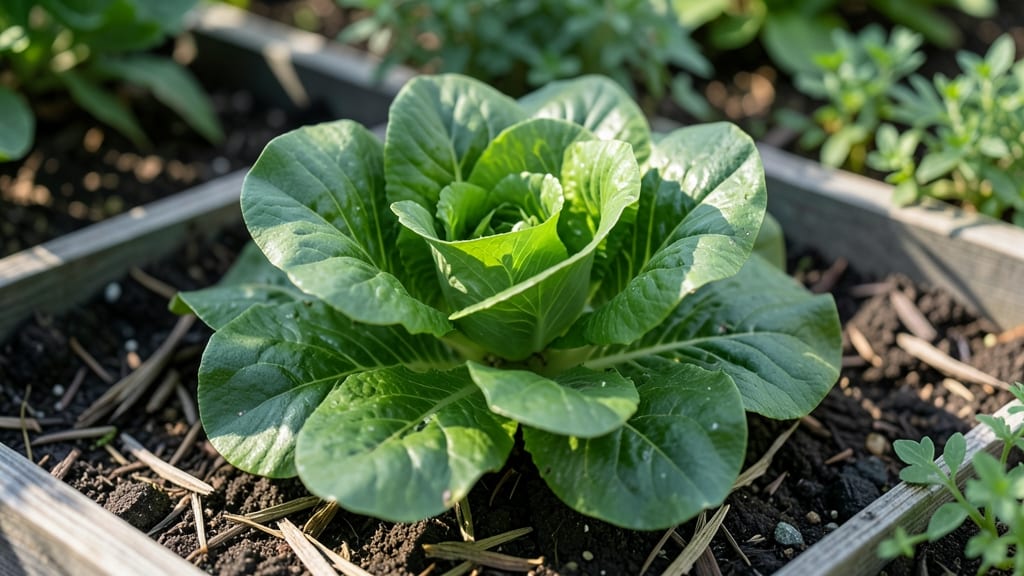
A 4×8-foot raised bed filled with crisp, homegrown lettuce is the secret to a pest-free salad bowl year-round. 🌱 I’ve battled aphids and bolting lettuce for years, but this setup—with its layered soil and strategic planting—keeps my greens thriving while keeping pests at bay.
The key? A soil mix so rich and well-draining that lettuce roots stay happy, and the elevated edges block slugs and rabbits before they even try to sneak in.
The magic happens in the soil layers: 2 inches of compost at the bottom for nutrients, 4 inches of coarse sand or perlite for drainage, and 6 inches of high-quality potting mix on top. This combo prevents waterlogging, which is lettuce’s worst enemy.
You’ll also want 1-2 inches of straw mulch on top to retain moisture and deter weeds—plus, it keeps the soil temperature just right for continuous harvests.
Plant your lettuce in rows spaced 12 inches apart, with seeds sown ¼-inch deep and 1-inch apart. Thin seedlings to 6 inches apart once they’re 2 inches tall, and watch them grow into buttery, bolt-resistant heads.
Water gently at the base—never overhead—to avoid fungal diseases, and you’ll enjoy harvests every 3-4 weeks without the aphid battles that ruin store-bought greens.
This method works in partial shade or full sun, making it perfect for balconies, patios, or backyard plots. The raised bed’s elevated design also means no more bending over—just reach in, snip what you need, and enjoy lettuce that’s sweeter, fresher, and free of pesticides.
Once you try it, you’ll never buy bagged salad again.
📚 In This Guide
- What you need
- Instructions
- Tips and common mistakes
- Wrapping up and next steps
What you need
- ● Raised bed frame: Untreated wood (cedar or redwood recommended), 4x8 ft or custom size (height: 6–12 inches).
- ● Hardware: 2.5-inch exterior wood screws (20–30 screws) or galvanized nails.
- ● Landscape fabric: 1 roll (3 ft wide) to line the bottom and block weeds.
- ● Soil mix: 50% high-quality garden soil
- ● 30% compost (well-aged)
- ● 20% perlite or coarse sand (for drainage)
- ● Lettuce seeds: 1–2 packets of aphid-resistant varieties (e.g., 'Romaine,' 'Buttercrunch,' or 'Oakleaf').
- ● Mulch: Straw or shredded leaves (1–2 inches thick) to retain moisture.
- ● Drill or hammer
- ● Measuring tape
- ● Garden gloves
- ● Hand trowel or transplanter
- ● Watering can or hose with a gentle spray nozzle
- ● Drip irrigation kit for consistent watering
- ● Row covers (floating or fixed) to deter pests
- ● Neem oil or insecticidal soap (for aphid prevention)
- ● Soil moisture meter to track hydration
Step-by-Step instructions for building a pest-resistant lettuce raised bed
Here’s how I construct a layered raised bed that deters pests while creating ideal conditions for crisp, flavorful lettuce.
🪴 Step 1: Build the Raised Bed Frame
Use untreated cedar or redwood lumber to construct a rectangular frame at least 12 inches deep and 4 feet wide (the ideal width for easy reach). I always build mine 4 feet long to accommodate four rows of lettuce. Pre-drill screws at the corners and attach the sides securely—this prevents warping over time. Line the bottom with landscape fabric to block weeds and burrowing pests like cutworms.
Position the bed in partial shade (morning sun with afternoon shade) to prevent bolting. Lettuce thrives with 4-6 hours of sunlight daily, so avoid full sun in hot climates. A north-facing orientation works best in most regions. I place mine on a patch of grass to retain moisture while allowing excess water to drain away naturally.
🌱 Step 2: Layer the Soil for Optimal Drainage and Nutrition
Start with a 4-inch layer of coarse wood chips or straw at the bottom for drainage. This prevents soggy roots while retaining moisture. Next, add a 2-inch layer of compost to introduce beneficial microbes and nutrients. I always use well-aged compost—fresh manure can burn young lettuce roots.
Top with a 6-inch layer of high-quality potting mix blended with 20% perlite for aeration. This lightweight mix prevents compaction and ensures roots grow freely. Avoid garden soil—it’s too dense and may harbor pests like slugs. Spread a 1-inch layer of straw mulch on top to suppress weeds and retain moisture.
🌿 Step 3: Plant Lettuce Using the Cut-and-Come-Again Method
Sow seeds ¼ inch deep, spacing them 6 inches apart in rows 12 inches apart. I plant four varieties—butterhead, romaine, leaf, and oakleaf—for continuous harvests. Water gently after planting to settle the soil without disturbing seeds. Lettuce germinates in 5-10 days at 60-70°F, so keep the soil consistently moist but never soggy.
Thin seedlings to 8 inches apart once they develop true leaves (the second set after the initial cotyledons). This prevents overcrowding and reduces competition for nutrients. I harvest the thinned seedlings as baby greens—no waste! Use sharp scissors to avoid damaging roots when thinning.
💧 Step 4: Maintain Moisture and Deter Pests Naturally
Water deeply once a week, aiming for 1 inch of water per week. I use a drip irrigation system to deliver moisture directly to the roots without wetting the leaves, which reduces fungal diseases. Mulch with straw or shredded leaves to retain soil moisture and deter slugs and snails—these pests avoid dry, coarse mulch.
Rotate crops annually to prevent soil-borne diseases. I also interplant lettuce with radishes or carrots—their strong scent repels lettuce moths and aphids. Avoid overhead watering after dark; damp leaves attract slugs. If pests appear, spray with a soapy water solution (1 tablespoon mild soap per gallon of water) for immediate control.
✂️ Step 5: Harvest for Continuous Yield
Start harvesting outer leaves when plants reach 4-6 inches tall, leaving the inner rosette intact. This encourages regrowth and extends the harvest season. I pick leaves in the morning when they’re crispest. For head lettuce like romaine, harvest the entire plant when heads form tightly.
Lettuce bolting (sending up flower stalks) is inevitable in heat. To delay it, provide afternoon shade with a floating row cover or shade cloth during summer. Succession plant every 2-3 weeks for a continuous supply. With proper care, a single raised bed yields enough lettuce for a family of four for 6-8 weeks before replanting.
Tips & tricks for building a pest-resistant lettuce raised bed
These practical insights will help you create the perfect environment for your leafy greens while keeping pests at bay.
Soil Layering Precision: When creating your 4-inch drainage layer in Step 2, avoid using cedar chips if you're growing lettuce for long-term harvests—they break down too quickly. Instead, opt for hardwood mulch chips or straw that will maintain structure for the full growing season. The 6-inch potting mix layer should be fluffed gently after adding perlite to eliminate any air pockets that could impede root growth.
Sunlight Strategy: The 4-6 hours of sunlight mentioned in Step 1 is ideal, but in hotter climates, you might need to adjust this to morning sun only (4 hours max) during peak summer months. I've found that positioning the bed slightly east of north can extend morning light while avoiding the intense afternoon sun that triggers bolting. A simple trick: place a thermometer in the bed during midday—if it hits above 75°F, it's time to add that afternoon shade.
Pest Prevention Pro Tip: For the soapy water solution mentioned in Step 4, I always use castile soap diluted to 1 tablespoon per gallon—it's gentle enough for edible plants but effective against soft-bodied pests. Apply in the early morning when temperatures are below 70°F to prevent stressing the plants. The key is to spray directly on pests, not the entire plant, to avoid residue buildup on your lettuce.
Harvesting Technique: When practicing the cut-and-come-again method in Step 5, use clean, sharp scissors and make cuts at a 45-degree angle just above a leaf node. This encourages new growth from the node while preventing water from pooling on the cut surface. I harvest every other outer leaf initially to give the plant time to recover, then increase to every third leaf once established—this balance maximizes yield without stressing the plant.
Pro Tips for Raised Bed For Lettuce
- These practical insights will help you create the perfect environment for your leafy greens while keeping pests at bay.
- Soil Layering Precision: When creating your 4-inch drainage layer in Step 2, avoid using cedar chips if you're growin...
- Sunlight Strategy: The 4-6 hours of sunlight mentioned in Step 1 is ideal, but in hotter climates, you might need to ...
Frequently asked questions
Got questions about growing lettuce in raised beds?
You’re not alone! Here are some of the most common concerns—and their answers—to help you grow crisp, pest-resistant lettuce with ease.
How deep should my raised bed be for lettuce?
Aim for 6–12 inches deep for lettuce—this gives roots room to spread while keeping soil warm and well-drained. Shallow beds (4–6") work for quick varieties like butterhead, but deeper beds (10–12") are ideal for heartier types like romaine or romaine. Pro tip: Add 2–3 inches of compost to the bottom for extra nutrients!
Will raised beds keep aphids off my lettuce?
Raised beds reduce aphid risks by improving airflow and drainage, but they don’t eliminate them. Prevent pests with:
- Neem oil (spray weekly)
- Companion plants like marigolds or nasturtiums
- Row covers for young plants
When is the best time to plant lettuce in a raised bed?
Lettuce thrives in cool weather—plant in early spring (as soon as soil is workable) or late summer/fall (6–8 weeks before first frost). Avoid hot summers (lettuce bolts quickly!). Bonus: Use shade cloth (30–50%) in peak sun to keep leaves tender.
Can I reuse the same raised bed soil for lettuce year after year?
Yes, but refresh it annually! Lettuce is a light feeder, so top-dress with 2–3 inches of compost before each planting. Rotate crops (e.g., with beans or peas) to prevent soil depletion. Avoid planting heavy feeders (like tomatoes) in the same bed the prior year—they exhaust nutrients.
What’s the fastest way to fix bitter lettuce in raised beds?
Bitter flavor usually means heat stress or old seeds. Fix it by:
- Planting heat-tolerant varieties (e.g., ‘Black Seeded Simpson’ or ‘Jericho’)
- Providing afternoon shade in hot climates
- Harvesting outer leaves first to encourage sweeter regrowth
Wrapping up and next steps
Growing lettuce in a raised bed isn’t just effective—it’s a game-changer for pest-resistant harvests! 🌱 By layering soil, you create an ideal environment that deters aphids while boosting flavor and yield. Whether you're a beginner or a seasoned gardener, these layered soil secrets make success simple and satisfying.
Ready to dive in? Start by sketching your raised bed design, then gather your materials—your crisp, aphid-free lettuce is just a few steps away! 🚀