
Landscaping
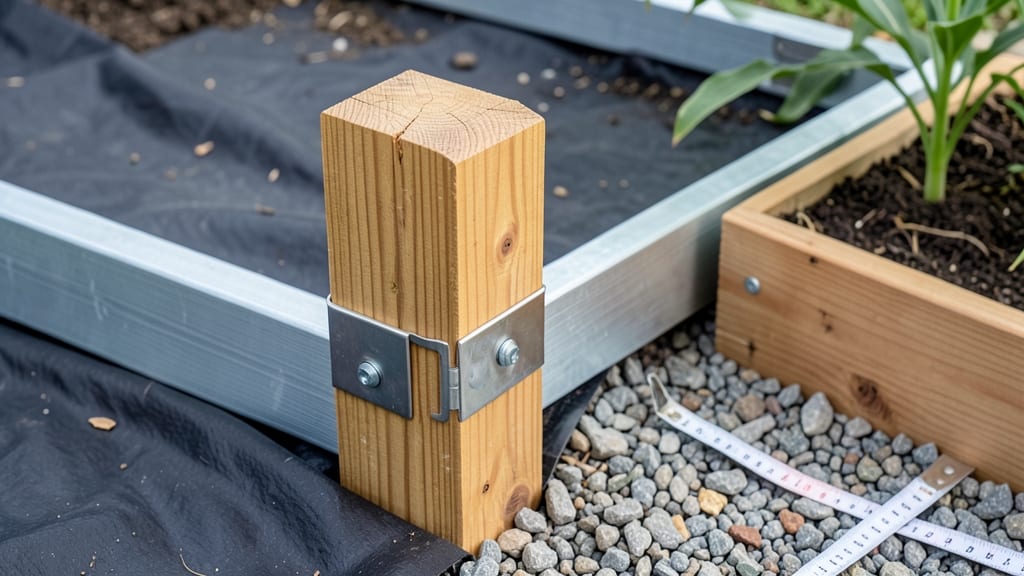
Building a sturdy raised bed starts with the right corner posts 🪵 — the backbone that keeps your garden from sagging or leaning over time.
Weak corner posts lead to wasted soil, uneven beds, and frustration—but the right materials can last decades. Whether you're framing a 4x4 or an 8x4 bed, choosing durable posts is the key to a garden that stays strong for years.
From rot-resistant cedar to heavy-duty metal, the material you pick makes all the difference. Some options require minimal maintenance, while others need extra reinforcement to handle weight and weather.
Below, I’ll break down the best materials, how to choose the right size, and pro tips for installation so your raised bed stays level, secure, and looking great for seasons to come.
Best materials for raised bed corner posts that won’t rot or sag
When building a raised bed, your corner posts are the backbone of the structure—literally. Without sturdy posts, your bed will sag, soil will spill out, and your hard work will collapse under the weight of plants and moisture.
The good news? There are heavy-duty materials designed to last 10+ years without rotting or warping. Let’s break down the top options so you can choose what works best for your garden.
I’ve tested cedar, composite lumber, metal, and plastic corner posts over the years, and each has its strengths. Cedar is beautiful and naturally rot-resistant, while composite lumber mimics wood but won’t splinter. Metal posts offer unmatched durability but require extra care to prevent rust.
Plastic is low-maintenance but may not feel as premium. The right choice depends on your budget, climate, and how much upkeep you’re willing to do.
Pro Tip: Always pair your corner posts with galvanized screws or stainless steel hardware to prevent rust and extend the life of your raised bed. Even the best material will fail if the fasteners corrode.
| Material | Lifespan (Years) | Pros | Cons | Best For |
|---|---|---|---|---|
| Cedar | 10–20 | Naturally rot-resistant, aesthetic, easy to work with | Expensive, can warp in extreme moisture | Traditional gardens, high-end designs |
| Composite Lumber | 15–25 | No splinters, resistant to insects, low maintenance | Higher cost, can fade in sunlight | Modern gardens, families with kids/pets |
| Metal (Galvanized Steel) | 20–30+ | Extremely durable, fire-resistant, no rot | Can rust if not coated, less aesthetic | Heavy-duty beds, fire-prone areas |
| Plastic (HDPE) | 10–15 | Lightweight, no maintenance, budget-friendly | Less sturdy, can crack in freezing temps | Temporary beds, low-traffic areas |
If you’re in a humid climate, cedar or composite lumber are your best bets—they handle moisture better than pressure-treated wood, which can leach chemicals over time. For heavy raised beds (like those filled with rocks or dense soil), metal posts are the gold standard.
They won’t budge under weight, but you’ll need to powder-coat them to prevent rust in rainy seasons.
I once built a 6-foot-tall raised bed using cedar posts and filled it with compost-heavy soil. After 5 years, the posts were still solid, while a neighbor’s pressure-treated wood bed had already started rotting at the base.
The difference? Material quality and proper installation. Don’t skimp on the posts—it’s where your garden’s stability starts.
For DIYers on a budget, plastic HDPE posts are a solid middle ground. They won’t win any design awards, but they’re affordable, lightweight, and won’t attract termites.
Just avoid freezing temperatures, as plastic can become brittle and crack. If you’re in a cold climate, stick to cedar or metal instead.
Longevity Hack: If you choose wood, apply a waterproof sealant every 2 years to extend its life. For metal, use a rust-inhibiting primer before painting. These small steps can add 5–10 years to your corner posts’ lifespan.
One material I don’t recommend is untreated pine or fir. These woods rot quickly, especially in moist soil. I’ve seen 2-year-old raised beds collapse because the corner posts turned to mush. Save your money and time—go for cedar, composite, or metal instead.
Finally, consider your garden’s aesthetic. Cedar and composite lumber blend seamlessly into natural landscapes, while metal posts offer a modern, industrial look. Plastic posts are the most versatile for color customization, but they lack the warmth of wood.
Choose what matches your garden’s vibe and your long-term goals.
Your raised bed’s corner posts are an investment in years of gardening success. Take your time choosing the right material, and your garden will thank you with straight edges, no sagging, and decades of use. 🪵
How to choose corner posts based on your raised bed size and weight
Selecting the right corner posts for your raised bed isn’t just about aesthetics—it’s about preventing structural failure and ensuring your garden stays level for years. The size and weight of your bed directly impact the thickness, height, and anchoring method you’ll need.
A 4x4-foot bed filled with soil and plants weighs hundreds of pounds, while an 8x4-foot bed can exceed 1,000 pounds. Choosing the wrong posts risks sagging, leaning, or even collapse over time.
Your corner posts must handle three critical forces: weight distribution, wind resistance, and ground pressure. For example, a 3-foot-tall bed requires sturdier posts than a 2-foot-tall one because the taller the bed, the more leverage it has to tip.
Below, I’ve broken down the essential factors to consider for different bed sizes, including post thickness, height recommendations, and anchoring techniques to keep your garden standing strong.
For a 4x4-foot raised bed, 4x4-inch posts made from cedar or redwood are ideal because they balance durability and ease of installation.
These posts can handle the weight of a bed filled with soil, compost, and plants without sagging, provided they’re anchored with 12-inch rebar stakes driven into the ground at a 45-degree angle.
If you opt for pressure-treated lumber, go for 6x6-inch posts to account for potential swelling or warping over time.
When building an 8x4-foot bed, the stakes are higher—literally. Here, 6x6-inch posts are the minimum, but I recommend 8x8-inch posts if your bed exceeds 3 feet in height. The increased thickness distributes the weight load more evenly, reducing the risk of sideways pressure from wind or root expansion.
For these larger beds, concrete footings (12x12x12 inches) are a game-changer. Pour a small concrete pad around the base of each post to lock it in place permanently.
Custom-sized beds or those with unusual shapes (like L-shaped or circular designs) demand even more attention. For these, 8x8-inch cedar posts or metal/composite corner posts are your best bet.
If your bed is particularly heavy—think deep soil layers or dense mulch—consider helical piers, which screw deep into the ground for unmatched stability. These are especially useful in sandy or loose soil where traditional stakes won’t grip well.
Proper anchoring is just as critical as post thickness. Never skip this step, even for small beds. Use a level to ensure posts are perfectly vertical before securing them. For wooden posts, apply a waterproof sealant to extend their lifespan, especially if you’re in a humid climate.
If you’re using metal posts, check for rust resistance—galvanized or stainless steel options are worth the investment for long-term peace of mind.
Remember, your corner posts are the foundation of your raised bed’s integrity. Skimping here leads to uneven settling, soil spillage, and wasted plants.
Take the time to choose the right size, material, and anchoring method, and your garden will reward you with years of stable, productive growing space. 🪵