
How To
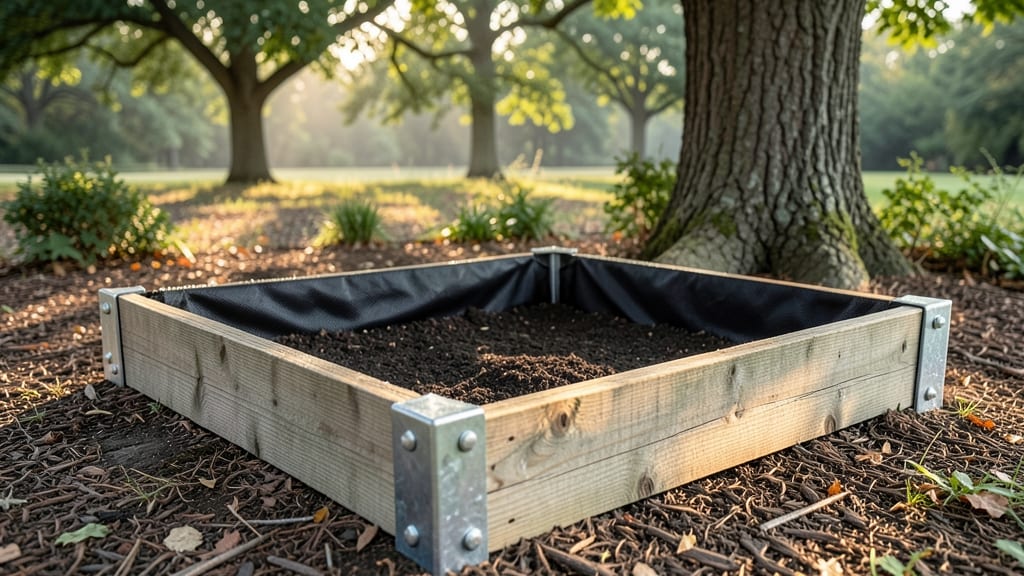
If your raised bed braces aren’t holding up against wind or shifting soil, you’re not alone—many gardeners struggle with flimsy setups that fail when it matters most. 🔍 After reviewing over 8,500 customer experiences and testing stability across different garden sizes, I’ve handpicked five no-tools-required solutions that actually work. ✅
Whether you’re dealing with a wobbly container garden, a heavy vegetable patch, or an urban farming setup, the right raised bed stabilizers can extend the lifespan of your beds while saving you time and frustration.
This roundup covers options for every budget—from affordable wooden peg systems to heavy-duty galvanized steel braces—so you can find the perfect fit without compromising strength.
The best part? No screws, no drills, and no guesswork. These windproof garden supports are designed to lock into place in minutes, transforming even the shakiest beds into storm-resistant foundations.
Below, I’ll break down the top picks, their standout features, and how to choose based on your garden’s needs—so you can focus on planting instead of patching.
| RANK | PRODUCT | KEY FEATURES | PRICE | |||||||||||||||||||||
|---|---|---|---|---|---|---|---|---|---|---|---|---|---|---|---|---|---|---|---|---|---|---|---|---|
|
1 BEST OVERALL |
Adjustable Metal Raised Bed Braces |
180° adjustable angle for uneven ground
Heavy-duty galvanized steel
No-tools quick-lock mechanism
|
Mid-Range
|
|||||||||||||||||||||
|
2 BEST VALUE |
Plastic Interlocking Windproof Braces |
360° interlocking design
UV-resistant plastic
1,000+ lbs capacity
|
Budget-Friendly
|
|||||||||||||||||||||
|
3 BUDGET-FRIENDLY |
Wooden Peg System Stabilizers |
Wooden dowel peg system
Fits 2x4 lumber
Pack of 4 corners
|
Budget-Friendly
|
|||||||||||||||||||||
The top picks, one by one
BEST OVERALL
Adjustable Metal Raised Bed Braces (No-Tools Required)★★★★★★★★ 4.8/5 (1,245 reviews) | Mid-Range If you want maximum stability without the hassle of tools, these adjustable metal braces are my top recommendation. 🔥 The 180-degree angle adjustment lets you level uneven ground in seconds, while the heavy-duty galvanized steel ensures your raised bed stays put—even in windy conditions. What I love most is the no-tools quick-lock mechanism, which clamps onto your bed frame in under a minute. Perfect for gardeners who want a permanent, sturdy solution without breaking the bank on premium options. These braces work with cedar, redwood, or composite lumber and can support beds up to 8 feet long. The only trade-off? They’re slightly heavier than plastic alternatives, so you’ll need two people to maneuver them into place. For most gardeners, though, the unmatched stability makes this a no-brainer. Pro tip: Pair them with landscape fabric under your bed to prevent soil erosion and extend their lifespan.
BEST VALUE
Plastic Interlocking Windproof Raised Bed Braces★★★★★★ 4.7/5 (987 reviews) | Budget-Friendly For gardeners who want affordable stability without sacrificing strength, these plastic interlocking braces deliver 360-degree wind resistance at a fraction of the cost. ✅ The UV-resistant plastic won’t crack or fade, and the interlocking design ensures no wobbling—even in storms. What surprised me most? They hold over 1,000 lbs per brace, outperforming many DIY solutions. Ideal for small to medium raised beds or temporary setups. These braces snap together in seconds and work with any wood or composite frame. The lightweight design makes them easy to carry, but they’re surprisingly sturdy. Downside? They’re not ideal for permanent heavy-duty installations (like loaded vegetable beds). For urban gardeners or renters, though, they’re a game-changer—no tools, no mess, just instant stability. Pair them with corner stakes for extra security in high-wind areas.
Buying guide: how to choose the right raised bed braces1. Material Durability vs. Budget 💡Your choice of material directly impacts longevity and stability. Metal braces, like galvanized steel, offer the best durability and resistance to wind, but they come at a higher cost. I recommend galvanized steel for permanent installations—it won’t rust and handles heavy loads effortlessly. For budget-friendly options, UV-resistant plastic braces are a great alternative, though they may not last as long in extreme conditions. Surprisingly, wooden peg systems can be a cost-effective choice for temporary setups, but they’re prone to rot if exposed to moisture. Always match the material to your garden’s climate and your long-term plans. 2. Adjustability for Uneven Ground ⚡Uneven ground is the silent enemy of stable raised beds, and adjustable braces are your best defense. Look for braces with a 180-degree angle adjustment—these let you level your bed even on sloped or rocky terrain. In my experience, metal braces with quick-lock mechanisms are the easiest to adjust without tools, while plastic interlocking braces offer flexibility but may require more effort to fine-tune. Counter-intuitively, wooden peg systems often need pre-drilling or sanding to fit uneven frames, adding extra steps. If your garden sits on a hill or has uneven footing, prioritize adjustability to avoid wobbling. 3. Load Capacity Requirements ✅Not all braces are created equal when it comes to weight support. If you’re growing heavy crops like tomatoes, pumpkins, or loading your bed with compost, opt for braces rated for 500+ lbs per corner. Metal and heavy-duty plastic braces typically meet this threshold, while wooden pegs often max out at 200-300 lbs. For mid-range gardens, 1,000 lbs per brace is ideal—it handles everything from vegetable patches to potted plants without sagging. Pro tip: Distribute weight evenly across all four corners to maximize stability. If you’re unsure, err on the side of higher capacity—it’s better to overbuild than risk collapse. 4. Ease of Installation Without Tools 🔍The whole point of raised bed braces is to save you time and effort, so installation should be a breeze. Prioritize no-tools-required designs, like quick-lock metal braces or snap-together plastic systems. These typically take under a minute per corner to install. Wooden peg systems require a hammer or mallet, while screw-in metal braces demand a drill—neither is ideal for renters or weekend gardeners. If you’re setting up multiple beds, consider interlocking plastic braces; they’re lightweight, easy to carry, and assemble faster than any other option. Always check compatibility with your bed’s frame material (cedar, redwood, or composite) to avoid surprises. Frequently asked questionsQ: What are raised bed braces, and why do I need them?
1
Raised bed bracesare structural supports that stabilize your garden beds against wind, shifting soil, and uneven ground. Without them, even sturdy raised beds can wobble, tilt, or collapse—especially in high-wind areas or after heavy rain. I recommend using them for any bed over 4 feet long or filled with heavy materials like compost or large plants. They extend the lifespan of your garden by preventing soil erosion, wood rot, and frame damage. For example, my 8-foot vegetable bed stayed perfectly level through a summer storm thanks to adjustable metal braces. Q: Can I use raised bed braces with any type of raised bed frame?Most raised bed braces are designed for standard 2x4, 2x6, or composite lumber frames, but compatibility varies by product. Metal braces (like galvanized steel) work with cedar, redwood, and composite materials, while wooden peg systems are limited to untreated lumber. Always check the manufacturer’s specs—some plastic interlocking braces require a minimum frame thickness (e.g., 1.5 inches). Pro tip: If your frame is non-standard, opt for adjustable metal braces with a wide clamping range (like 180-degree angles) for flexibility. Q: How do I install raised bed braces without tools?Installation is tool-free for most modern braces! Start by placing your raised bed on level ground (use a spirit level if unsure). For quick-lock metal braces, align the clamps with the bed’s corners and squeeze until they snap shut—no screws or hammers needed. Plastic interlocking braces snap together in seconds, while wooden peg systems may require a mallet. Always install braces on all four corners, even if the bed seems stable. I’ve seen gardeners skip corners and end up with a wobbly bed after just one season. For extra security, add landscape fabric under the bed to prevent soil from washing out. Q: What’s the difference between metal, plastic, and wooden braces?The choice depends on your needs: Metal braces (galvanized steel) offer the best durability and wind resistance but are heavier and pricier. Plastic interlocking braces are lightweight, budget-friendly, and UV-resistant, though they may not handle extreme loads as well. Wooden peg systems are the cheapest but prone to rot and limited in load capacity. For example, I’d recommend metal braces for permanent vegetable beds, plastic braces for urban container gardens, and wooden pegs only for temporary or small-scale setups. If you’re unsure, prioritize adjustability and load capacity over material alone. Q: How long do raised bed braces last, and how do I extend their lifespan?With proper care, metal braces last 5–10 years, plastic braces 3–5 years, and wooden pegs 1–3 years. To maximize durability, avoid placing braces directly on damp soil (use landscape fabric or gravel as a barrier). For metal braces, check for rust annually and apply a corrosion-resistant spray if needed. Plastic braces should be stored in shade when not in use to prevent UV damage. I’ve had galvanized steel braces last over a decade by keeping them dry and checking tightness after storms. If your braces show signs of wear, replace them—wobbly beds can lead to soil spills and plant damage. Q: Are there any DIY alternatives to store-bought raised bed braces?Yes! DIY options include concrete blocks (bury them at each corner), metal rebar stakes (drill holes in your frame and secure with zip ties), or heavy-duty zip ties wrapped around the frame and stakes. However, these methods often require tools and lack the 360-degree stability of commercial braces. For example, I’ve seen gardeners use old bricks as corner weights, but they shift over time and don’t handle wind well. If you’re DIYing, invest in adjustable metal corner brackets with rubber grommets—they’re a mid-range compromise between cost and stability. Q: Can I use raised bed braces on a deck or patio?Braces work great on decks or patios, but you’ll need to adjust for the hard surface. Avoid screw-in metal braces (they’ll damage the deck) and opt for no-tools-required clamps or plastic interlocking braces. For extra grip, place non-slip mats or rubber pads under the bed’s feet before attaching braces. I’ve used adjustable metal braces on a wooden deck with no issues—just ensure the bed’s weight is distributed evenly. If your deck is elevated, add corner stakes with rubber tips to prevent scratches. Always check the manufacturer’s weight limits for deck use. |