
Container Gardens
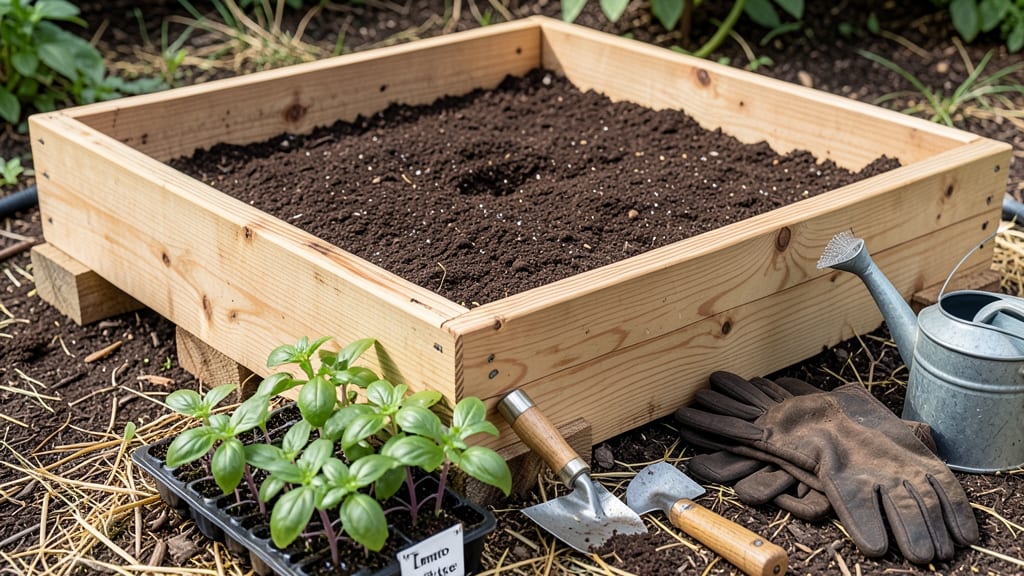
A 2x8 raised bed is the ultimate space-saver for small gardens, packing big yields into a footprint that fits snugly against a fence or patio.
Imagine transforming a tight corner into a thriving garden where every inch counts—no wasted space, no digging, and no backaches. This is where clever layouts and the right plants turn limitations into opportunities.
Whether you’re working with cedar, composite lumber, or recycled wood, the key lies in how you arrange your crops. From single-row veggie strips to tiered herb towers, a 2x8 raised bed can grow more than you’d expect in just 16 square feet of real estate.
Below, I’ll walk you through space-saving layouts, plant pairings that boost growth, and DIY tips to build (or buy) the perfect bed for your small garden dreams.
Best raised bed 2x8 layouts for small gardens
A 2x8 raised bed is a game-changer for small gardens, offering 16 square feet of growing space without requiring heavy soil prep. The key to success lies in layout design—how you arrange plants, pathways, and materials to maximize yield, sunlight, and accessibility.
With creative configurations like single-row, double-row, or corner designs, you can transform even the tiniest yard into a productive garden. Let’s explore the best ways to organize your bed for optimal results.
First, consider your sunlight exposure. Most vegetables and herbs thrive with 6-8 hours of full sun, so orient your bed along the longest east-west axis to ensure even light distribution.
If your space is tight, vertical gardening with trellises or climbing plants can help maximize vertical space while keeping the bed footprint small. For example, pole beans or cucumbers can grow upward, freeing up ground space for shorter crops like lettuce or radishes.
Material choice also impacts your layout. Cedar wood is a classic for its natural resistance to rot, while composite lumber offers durability without chemicals. If you’re on a budget, recycled wood or even cinder blocks can work, though they may require extra lining for drainage.
For accessibility, avoid beds taller than 2-3 feet—this keeps weeding and harvesting easy while preventing soil compaction.
Now, let’s dive into the best 2x8 raised bed layouts tailored for small spaces. Each design balances productivity, sunlight, and ease of maintenance while adapting to your garden’s unique challenges.
The single-row layout is ideal for tall, sun-loving plants like tomatoes or peppers. Place them along the south side of the bed to maximize sunlight exposure. Leave 18-24 inches between rows for easy access and airflow, which reduces disease risk.
For example, pair basil with tomatoes—their scents repel pests naturally. This design works best for beginners or those with limited gardening space.
If you’re aiming for maximum yield in a 2x8 bed, try a double-row layout. Divide the bed into two 1x8-foot strips, leaving a 12-inch pathway between them. This setup is perfect for leafy greens like lettuce or spinach, which thrive in cooler temperatures and partial shade.
For warm-season crops, alternate rows with radishes (fast-growing) and carrots (slower). Just ensure the pathway isn’t wider than 12 inches to avoid wasting space.
For herb gardens or small urban spaces, a tiered layout adds vertical interest while saving ground space. Use stacked cedar crates or composite planters to create layers.
Place strawberries on the top tier for easy harvesting, thyme in the middle for its low-growing habit, and chives at the bottom where they can spill over slightly. This design is perfect for partial sun areas, like patios or balconies, and keeps herbs within arm’s reach.
Finally, the corner design
How to choose plants for a 2x8 raised bed
A 2x8 raised bed offers the perfect balance of space and productivity, but choosing the right plants can make or break your harvest. With only 16 square feet of growing area, prioritize compact varieties and companion planting to maximize yield.
Start by selecting plants that thrive in your USDA zone and match your sunlight exposure—most vegetables need 6-8 hours of sun daily.
Focus on small-space crops like bush beans, cherry tomatoes, and leafy greens (e.g., lettuce, spinach). These plants mature quickly and fit well in tight spaces. Herbs like basil and parsley also thrive in containers and add flavor to your harvest without taking up much room.
Here’s a quick guide to help you visualize ideal plant pairings and spacing for your 2x8 raised bed:
| Plant | Spacing (inches) | Sun Needs | Mature Height | Companion Plants |
|---|---|---|---|---|
| Cherry Tomatoes | 18-24 | Full Sun | 3-4 ft | Basil, Lettuce |
| Bush Beans | 4-6 | Full Sun | 1-2 ft | Carrots, Radishes |
| Lettuce | 6-8 | Partial Sun | 0.5-1 ft | Spinach, Cilantro |
| Basil | 6-12 | Full Sun | 1-2 ft | Tomatoes, Oregano |
| Spinach | 4-6 | Partial Sun | 1-1.5 ft | Lettuce, Strawberries |
For seasonal adjustments, swap out warm-season crops like tomatoes and beans in spring/summer for cool-season crops like kale or peas in fall. This keeps your bed productive year-round. Always leave 12-inch pathways between beds for easy access and airflow.
Use companion planting to deter pests and boost growth—pair tomatoes with basil to improve flavor and repel flies, or plant carrots with onions to confuse carrot flies. Rotate crops yearly to prevent soil depletion and disease buildup.
Finally, consider vertical gardening for vining plants like cucumbers or pole beans. Use trellises or cages to save space and increase airflow. With the right planning, your 2x8 raised bed can produce a surprising amount of food in a tiny footprint!