
Pests
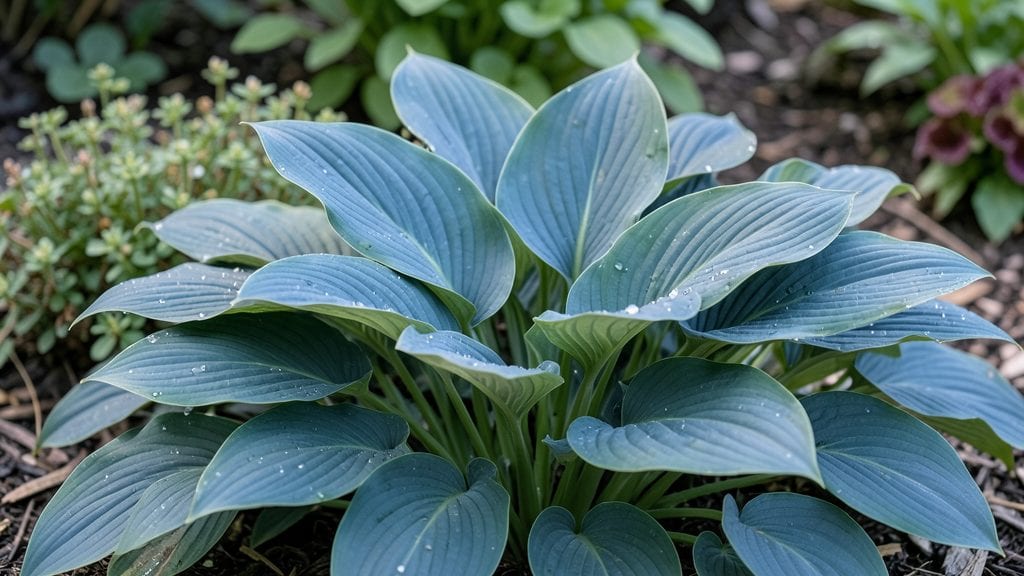
After learning the hard way that rabbit-resistant shade perennials are a must—my three beloved hellebores vanished overnight—I discovered plants that thrive and deter nibblers. 🌿 they’re wearing armor, and my shaded garden finally stopped looking like a salad bar.
The right shade plants don’t just survive; they thrive with bold foliage, fragrant blooms, and foliage that rabbits avoid like a bad neighborhood.
What makes these perennials work is their double-duty nature: they handle low light while packing in textures that rabbits despise—think fuzzy, waxy, or deeply lobed leaves.
Most need minimal fuss: a layer of mulch to protect roots, occasional pruning to keep them tidy, and water only when the soil feels dry two inches down.
My go-to list includes hellebores (yes, the ones I almost lost—now with thorny stems), Japanese painted ferns, and lungwort, all of which bounce back from nibbles and still put on a show in spring.
By summer, you’ll have a shaded garden that’s both lush and low-maintenance—no more replanting after a rabbit buffet. The foliage stays vibrant even in deep shade, and the blooms attract pollinators while keeping critters at bay.
The best part? These plants grow slower than rabbits can eat them, so they outlast the damage effortlessly. Here’s how to pick the perfect mix for your space.
Works in woodland gardens, under trees, or along north-facing walls—anywhere rabbits linger but sun doesn’t. The key is combining foliage textures (some fuzzy, some leathery) and bloom times so your garden stays interesting from early spring to late fall. Let’s get those tough plants in the ground!
📚 In This Guide
- What you need
- Instructions
- Tips and common mistakes
- Wrapping up and next steps
What you need
- ● Rabbit-resistant shade perennials: 5–10 plants (e.g., Hellebores, Ferns, Astilbes, Lamium, or Lungwort). Choose 3–5 varieties for diversity.
- ● High-quality potting soil or compost: 2–3 cubic yards (for in-ground planting) or 1–2 bags (for containers). Opt for moisture-retentive, organic-rich soil (e.g., Miracle-Gro Garden Soil).
- ● Mulch: 2–3 inches of wood chips, shredded bark, or pine straw (helps deter rabbits and retain moisture).
- ● Garden gloves: 1 pair (heavy-duty for digging).
- ● Hand trowel or transplant spade: 1 (for precision planting).
- ● Watering can or hose with nozzle: 1 (with a gentle spray setting for delicate roots).
- ● Pruners or shears: 1 pair (for trimming dead foliage post-planting).
- ● Rabbit repellent spray: 1 bottle (e.g., Liquid Fence or Bobby’s Rabbit & Deer Repellent).
- ● Edging materials: 1 roll of metal mesh or plastic plant guards (to protect young plants).
- ● Slow-release fertilizer: 1–2 bags (e.g., Osmocote Smart-Release Plant Food for shade-loving plants).
- ● Garden twine or stakes: For supporting taller perennials like Astilbes.
How to design a rabbit-proof shade garden that thrives year-round
Here's the no-fuss approach I've used to keep deer and rabbits out while filling shady spots with bold, resilient plants.
🌱 Step 1: Select the Right Tough-Foliaged Perennials
Start with plants that rabbits avoid because of their texture, scent, or toxicity. My go-to 4 rabbit-resistant shade perennials are: heuchera (coral bells), lamium (dead nettle), astilbe, and ferns like Ostrich fern. These all thrive in partial to full shade and have foliage that's either fuzzy, leathery, or aromatic—exactly what rabbits skip.
For extra protection, add alliums or fritillaria nearby—their strong onion scent deters browsers. Plant them in clumps of 3-5 rather than single specimens, as rabbits are less likely to nibble on densely packed foliage. I always check the mature height of each plant before buying to ensure they'll fill the space without competing for light.
🪴 Step 2: Prepare the Soil for Shade-Loving Roots
Shade gardens need rich, well-draining soil that stays moist but never soggy. Amend your existing soil with 3 gallons of compost and 1 gallon of peat moss per 4-square-foot area to improve drainage and fertility. I like to work in a slow-release organic fertilizer (like 10-10-10) at planting time—this gives roots a steady nutrient supply without burning them.
Test your soil's moisture retention by squeezing a handful—it should hold together but not feel sticky. If your soil drains too quickly, add 1 gallon of coconut coir to help retain moisture. Plant in early spring or fall when temperatures are mild, giving roots time to establish before extreme heat or cold sets in.
☀️ Step 3: Plant Strategically for Maximum Protection
Arrange plants in odd-numbered groupings (3, 5, or 7) to create a natural, full look that rabbits find less appealing. Place taller plants like astilbe (18-36 inches) at the back, medium-height heuchera (12-18 inches) in the middle, and low-growing lamium (6-12 inches) or ferns (12-24 inches) at the front. This layered approach blocks rabbits' access to lower stems while keeping the garden visually balanced.
Space plants 12-18 inches apart—close enough to fill gaps quickly but far enough to prevent overcrowding. Water deeply right after planting to settle the soil and remove any air pockets around roots. A 1-inch layer of mulch (like shredded bark) helps retain moisture and deters rabbits from digging near the base of plants.
✂️ Step 4: Add Physical Deterrents for Extra Peace of Mind
Even the toughest plants benefit from a little help. Install chicken wire fencing (2 feet tall) around the garden perimeter, burying the bottom 6 inches deep to prevent rabbits from tunneling underneath. For a subtler look, use flexible landscape fabric wrapped around individual plants—rabbits can't chew through it, but it won't ruin your garden's aesthetic.
Complement this with natural repellents like garlic spray (mix 1 chopped garlic bulb per gallon of water, let steep 24 hours, then spray foliage weekly). Reapply after rain. I also plant dwarf iris or catmint at the edges—their strong scent confuses rabbits and makes them think twice about browsing.
💧 Step 5: Maintain with Minimal Effort
Water deeply once a week (or more in extreme heat) to encourage deep root growth. Shade perennials like heuchera and lamium are drought-tolerant once established, but they appreciate consistent moisture during their first growing season. You'll know they're happy when their foliage stays vibrant and upright—wilting or yellowing means they need more water.
Deadhead spent blooms in late summer to encourage a second flush of flowers and prevent self-seeding (which can create unwanted competition). In early spring, trim back any damaged or leggy growth to make room for fresh new shoots. This keeps the garden looking tidy while ensuring your perennials rebound strongly each year.
Tips & tricks for perfect rabbit-resistant shade gardens
A few strategic moves make all the difference when creating a garden that rabbits can't resist skipping.
Plant Selection Intelligence: When choosing your heuchera, lamium, astilbe, and Ostrich fern, look for varieties with the most pronounced textures—fuzzy leaves on heuchera and leathery foliage on lamium work best. I always check the plant tags for terms like "rugged" or "tough" foliage, as these indicate natural rabbit resistance. The clumps of 3-5 planting strategy from Step 1 works even better when you include a mix of heights within each clump—this creates visual density that rabbits find unappealing.
Soil Prep Secret: The 3 gallons of compost and 1 gallon of peat moss per 4-square-foot area should be mixed thoroughly with your existing soil to create a uniform texture. I like to add a handful of coconut coir to each shovel of amended soil—this helps maintain moisture without compacting the soil structure. For heavy clay soils, work in an extra 1 gallon of perlite to improve drainage while keeping that moisture retention we need for shade plants.
Layering Defense: The layered planting approach in Step 3 creates a natural barrier that rabbits struggle to navigate. When arranging your astilbe (18-36 inches) at the back, leave a 6-inch gap between the tallest plants and any fencing or walls. This creates a "dead zone" where rabbits won't jump or tunnel. For the 12-18 inch spacing between plants, I find that 15 inches works best for most shade perennials—close enough for quick fill-in but with enough air circulation to prevent fungal issues.
Garlic Spray Boost: That 24-hour steep for your garlic spray is non-negotiable—it's what activates the natural compounds that repel rabbits. I like to add 1 teaspoon of cayenne pepper to each gallon of spray for an extra deterrent. Reapply every 7-10 days or after heavy rain, and always spray in the early morning so the foliage has time to dry before evening browsing begins. The strong scent of garlic combined with the spicy kick creates a sensory barrier that rabbits instinctively avoid.
Pro Tips for Rabbit Resistant Shade Perennials
- A few strategic moves make all the difference when creating a garden that rabbits can't resist skipping.
- Plant Selection Intelligence: When choosing your heuchera, lamium, astilbe, and Ostrich fern, look for varieties with the most pronounced textures—fuzzy leaves on heuchera and leathery foliage on lamium work best.
- Soil Prep Secret: The 3 gallons of compost and 1 gallon of peat moss per 4-square-foot area should be mixed thoroughly with your existing soil to create a uniform texture.
Frequently asked questions
Got questions about keeping your shade garden safe from hungry rabbits while still looking lush? Here are some of the most common concerns—and answers—to help you plant with confidence!
What are the best rabbit-resistant shade perennials for beginners?
Start with easy-care options like Hosta ‘Halcyon’ (mildly deer-resistant but often rabbit-proof with thorns) or Lamium maculatum (tough, fuzzy foliage rabbits avoid). For foolproof choices, try Heuchera ‘Palace Purple’ or Astilbe—both thrive in shade and have textures bunnies skip.
When is the best time to plant these perennials to deter rabbits?
Plant in early spring or fall when rabbits are less active. Avoid late spring, when hungry bunnies raid new growth. Pro tip: Add a 2-inch layer of gravel or sharp-edged mulch (like pine needles) around plants to discourage nibbling while roots establish.
Can I mix rabbit-resistant perennials with other shade plants?
Pair rabbit-proof stars like Fernwood ferns or Coral Bells (Heuchera) with mildly attractive plants (e.g., Hosta) and protect the latter with chicken wire cages or commercial repellents. Rabbits often ignore textured or aromatic foliage, so layer smartly!
What do I do if rabbits still eat my shade perennials?
First, identify the culprit—rabbits leave clean-cut edges, while deer tear leaves. Try homemade sprays (1 tbsp hot pepper sauce + 1 quart water) or physical barriers like flexible mesh fencing (bury 12” deep to block hoppers). For stubborn cases, commercial repellents with thiamethoxam work temporarily.
Are rabbit-resistant shade perennials more expensive than regular ones?
Not necessarily! Many tough perennials (like Lungwort or Foamflower) are budget-friendly and widely available. Invest in a few key rabbit-resistant plants (e.g., Heuchera or Astilbe) and use them as anchors—then fill gaps with less appealing (but affordable) fillers like Sedum or Ajuga.
Wrapping up and next steps
Transforming your shady garden into a rabbit-resistant paradise is totally doable—without sacrificing beauty! 🌿 With the right shade-loving perennials like heuchera, astilbe, or ferns, you’ll enjoy lush foliage that bounces back from nibbles while adding year-round charm.
The key? Diversity, mulch, and strategic planting to keep those fluffy pests guessing.
Ready to take the next step? Start small—pick 2-3 plants from this list, test your garden’s conditions, and watch your shade garden thrive! Need more inspiration? Browse our full plant guide or join our gardening community for tips and tricks from fellow green thumbs.