
Flowers
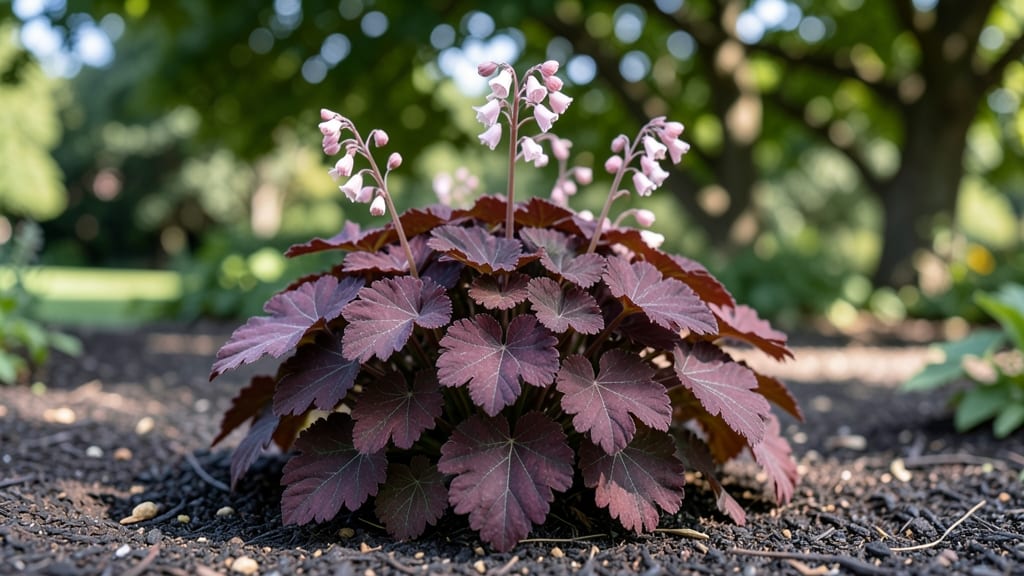
Purple-leaved perennials transform gardens into living art. 🌿 My front yard was boring until I swapped dull green foliage for these dramatic plants, and now neighbors ask about the "secret" every time they visit.
The deep burgundy and violet hues add richness that no other plant can match, especially when paired with silver or chartreuse foliage.
These plants aren’t just pretty—they’re tough. Many thrive with minimal care, handling everything from full sun to partial shade once established. My favorite, Heuchera, stays vibrant all season, while Coral Bells (Heuchera) even produces delicate flowers on top of that stunning foliage.
The key is matching them with the right companions—think silver lamb’s ear or bright yellow ajuga to make the purple pop.
You’ll create focal points that steal the show, whether in containers on your patio or as bold borders along pathways. Purple-leaved perennials add depth and texture that green plants simply can’t, and they keep working hard even after the flowers fade.
The secret to their magic? Letting them shine as the star of the show.
Works in any design style—modern, cottage, or even urban containers. Let’s get you started with the right combinations for your space!
📚 In This Guide
- What you need
- Instructions
- Tips and common mistakes
- Wrapping up and next steps
What you need
- ● Purple-leaved perennial plants: Choose from varieties like Heuchera (Coral Bells), Lamium (Dead Nettle), or Hosta (with purple foliage). Buy 3–5 plants for a vibrant display.
- ● High-quality potting mix: 5–10 gallons (depending on container size). Opt for a well-draining, peat-free blend with compost.
- ● Containers or garden bed: Containers: 5–10-gallon pots with drainage holes (terracotta or fabric grow bags work well).
- ● Garden bed: A sunny to partially shaded spot with 6+ hours of light and loose, fertile soil.
- ● Organic fertilizer: A balanced, slow-release fertilizer (e.g., 10-10-10 or 5-5-5) to nourish roots over time.
- ● Mulch: 2–3 inches of organic mulch (shredded bark or straw) to retain moisture and suppress weeds.
- ● Garden trowel or hand shovel (for transplanting or dividing plants).
- ● Pruning shears (to trim dead or overgrown foliage).
- ● Watering can or hose with a gentle spray nozzle (avoid blasting leaves!).
- ● Gloves (to protect hands from soil and thorns, if applicable).
- ○ pH testing kit (optional) – Ensures soil pH is 6.0–7.0 (ideal for most purple-leaved perennials).
- ● Epsom salt (for magnesium-rich soil, especially for Heuchera).
- ● Slow-release plant spikes (for hassle-free fertilization).
- ● Decorative stones or pebbles (to enhance container gardens).
- ● Plant labels (to track varieties and care needs).
Step-by-Step guide to planting and maintaining purple-leaved perennials
Here's how I get vibrant purple foliage thriving in my garden every season.
🌱 Step 1: Choose the Right Purple-Leaved Variety and Location
Start by selecting a purple-leaved perennial that matches your climate zone. Popular choices include Heuchera, Purple Smoke Bush, or Purple Leaf Sandcherry. These plants love partial shade to full sun, depending on the variety—check the tag for specifics. I always plant mine where they'll get at least 4-6 hours of sunlight daily.
Test your soil's moisture level before planting. Stick your finger 2 inches deep—if it feels dry, you're in a good spot. Purple-leaved plants prefer well-draining soil that stays consistently moist but never soggy. If your soil drains poorly, mix in 2 inches of compost to improve texture and aeration.
🪴 Step 2: Prepare the Planting Hole and Transplant
Dig a hole twice as wide as the root ball but only as deep. This gives roots room to spread without settling too low. Gently remove the plant from its container and loosen any circling roots with your fingers—this prevents root-bound stress. I always water the root ball first to keep it from drying out during transplanting.
Place the plant in the hole so the top of the root ball sits ½ inch below soil level. This helps prevent stem rot later. Backfill with native soil, pressing lightly to remove air pockets. Water deeply right after planting to settle the soil and encourage root contact. You'll know it's done right when water drains freely from the bottom of the hole.
☀️ Step 3: Water and Mulch for Consistent Moisture
Water newly planted purple-leaved perennials every 2-3 days until they establish roots, which usually takes 4-6 weeks. You'll see new growth emerging within 2-3 weeks—that's your signal everything's working. After establishment, reduce watering to once a week, adjusting based on rainfall.
Spread 2-3 inches of mulch around the base, keeping it 3 inches away from the stem to prevent rot. I use shredded bark mulch because it breaks down slowly and improves soil structure over time. This layer helps retain moisture and keeps roots cool during summer heat.
🌿 Step 4: Fertilize and Prune for Year-Round Color
Feed your purple-leaved perennial in early spring with a balanced, slow-release fertilizer (10-10-10 ratio). This jumpstarts growth without burning tender new leaves. I apply it when you see new shoots emerging—about 2-3 weeks before last frost. Avoid high-nitrogen fertilizers, which can wash out the purple tones.
Prune in late winter or early spring to remove dead or damaged stems. Cut back to just above a healthy bud to encourage bushier growth. For variegated varieties, avoid heavy pruning—you want to preserve the striking foliage. I always clean my pruners with rubbing alcohol between cuts to prevent disease spread.
⏰ Step 5: Monitor and Adjust for Seasonal Changes
Watch for signs of stress like yellowing leaves or wilting. Purple-leaved plants often struggle in extreme heat, so provide afternoon shade during summer if your area gets above 90°F. You'll notice leaves lightening in color—this is normal and temporary.
In fall, reduce watering gradually as temperatures drop. Stop fertilizing by mid-September to allow plants to harden off for winter. Most purple-leaved perennials are hardy in zones 4-9, but check your specific variety's requirements. A light layer of mulch in winter helps protect roots from freezing temperatures.
Tips & tricks for perfect purple-leaved perennial planting
Here's what nobody tells you about keeping those stunning purple leaves vibrant for years to come.
Soil Depth Test: That 2-inch soil moisture test in Step 1 is crucial—it tells you if your soil drains properly. I've learned the hard way that soggy soil can actually bleach out those gorgeous purple hues. If your finger comes out with soil clinging, you need to amend with more compost or sand to improve drainage. This simple test prevents one of the most common reasons purple foliage fades.
Root Ball Prep Secret: When loosening circling roots in Step 2, don't just pull at them—gently tease them apart with your fingers. I use a butter knife to carefully separate stubborn roots without damaging them. This step prevents root-bound stress that can stunt growth for months. Think of it like giving your plant a spa day before its big move to the garden.
Mulch Placement Matters: Keeping that 2-3 inches of mulch 3 inches away from stems in Step 3 is non-negotiable. Too close and you risk stem rot—something I discovered after losing two Heuchera plants to fungal issues. The mulch should create a donut shape around the base, not touch the stem. This simple adjustment keeps your plants healthy and vibrant all season.
Fertilizer Timing: That 2-3 weeks before last frost window for fertilizing in Step 4 is perfect timing. I've found that fertilizing too early can encourage tender new growth that gets damaged by late frosts. Wait until you see those first purple shoots emerging—about the time your daffodils bloom—and you'll get the best color development without risking frost damage.
Pro Tips for Purple Leaved Perennial
- Here's what nobody tells you about keeping those stunning purple leaves vibrant for years to come.
- Soil Depth Test: That 2-inch soil moisture test in Step 1 is crucial—it tells you if your soil drains properly.
- Root Ball Prep Secret: When loosening circling roots in Step 2, don't just pull at them—gently tease them apart with your fingers.
Frequently asked questions
Got questions about purple-leaved perennials? You’re not alone! Here are some of the most common queries—plus straightforward answers to help you grow with confidence.
What’s the easiest purple-leaved perennial for beginners?
Start with Heuchera (coral bells) or Lamium (dead nettle)—both are hardy, low-maintenance, and thrive in partial shade. Heuchera offers striking textures, while Lamium adds cascading charm. Just keep soil moist (but not soggy) and watch them flourish!
When is the best time to plant purple-leaved perennials?
Plant in early spring or fall when temperatures are mild (50–70°F). This gives roots time to establish before extreme heat or cold. Avoid summer planting—it stresses plants and invites pests. Pro tip: Water deeply after planting to settle soil!
Why are my purple leaves turning yellow or brown?
Yellowing usually signals overwatering or poor drainage, while brown edges often mean underwatering or sunburn. Check soil moisture (top 1–2 inches should be dry) and adjust care. Most purple perennials prefer well-draining soil—amend clay with compost if needed.
Can I grow purple-leaved perennials in full sun?
Some can! Try Sedum ‘Autumn Joy’ or Echinacea ‘Purple Coneflower’—both tolerate full sun but may need extra water. For deep purple foliage (like Heuchera), partial shade (3–6 hours of sun) preserves color. Monitor leaves for wilting in harsh afternoon sun.
How do I propagate purple-leaved perennials?
Most spread via division or stem cuttings. For division, dig up clumps in spring, separate roots, and replant. For cuttings (like Lamium), snip 4-inch stems, remove lower leaves, and root in water or moist soil. Patience pays off—new plants take 4–6 weeks to establish!
What’s a great alternative if I want purple flowers and foliage?
Combine Salvia ‘May Night’ (purple spikes) with Heuchera ‘Palace Purple’ for a two-tone punch. For ground cover, Ajuga ‘Chocolate Chip’ delivers deep purple leaves and blue flowers. Mix textures (spiky, rounded) for a dynamic garden!
Wrapping up and next steps
Purple-leaved perennials are the showstoppers of any garden, blending effortless beauty with resilience. Whether you're drawn to their dramatic hues or their low-maintenance charm, these plants prove that stunning foliage doesn’t require a green thumb.
Ready to transform your outdoor space? Start by selecting the perfect variety for your climate and soil—then watch your garden flourish with year-round color!
🌿 Next step: Grab your gardening gloves and dive in! Plant a purple-leaved perennial today, and let nature’s boldest shades inspire your green sanctuary.