
Flowers
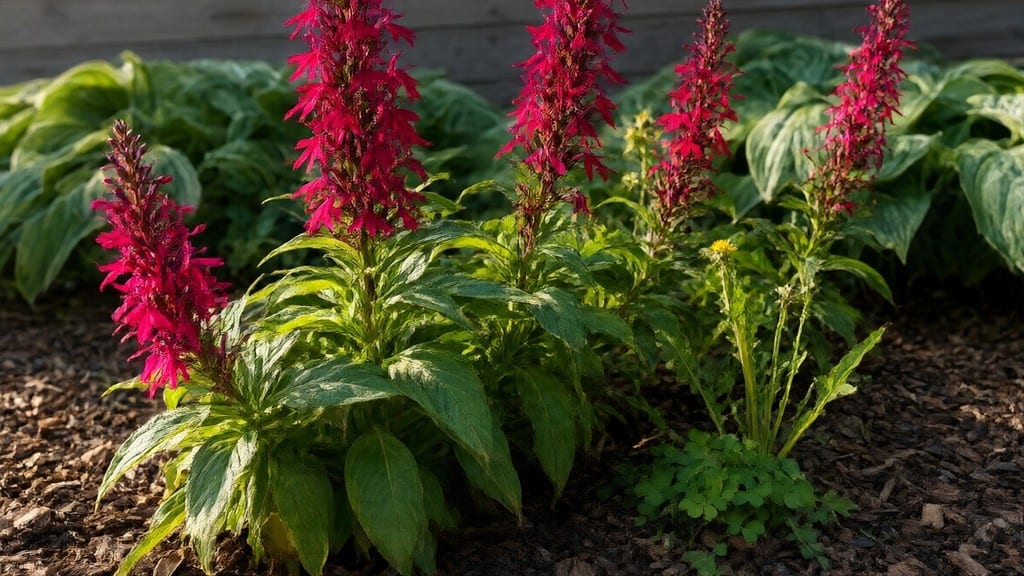
Growing purple heart perennial turns shady spots into vibrant foliage showstoppers. ✨ The striking purple leaves of Setcreasea pallida thrive where most plants struggle, making it the perfect shade garden workhorse.
I’ve grown it in my own low-light corner, and it’s never failed to deliver that bold, velvety color all season long.
This plant is shockingly low-maintenance—once established, it handles drought like a champ and asks for almost nothing. You’ll need well-draining soil (even regular garden soil works if amended with compost) and a spot that gets morning sun or dappled shade.
Water it when the top inch feels dry, and watch it spread into a lush, ground-hugging mat that chokes out weeds.
By late spring, you’ll have a carpet of deep purple foliage that stays vibrant through summer and into fall. It’s perfect for borders, containers, or filling in those tricky spots under trees where nothing else grows.
The best part? It’s hardy in zones 9-11, but even in cooler climates, it thrives as an annual or in containers you can bring inside for winter.
Propagation is a breeze—just divide the roots in spring or take stem cuttings in water. I’ve even given away clumps to neighbors, and they always come back begging for more. Whether you’re filling a shady bed or just want a striking container plant, purple heart delivers drama with minimal effort.
📚 In This Guide
- What you need
- Instructions
- Tips and common mistakes
- Wrapping up and next steps
What you need
- ● Purple Heart Plant: 1 mature plant (or 3–6 cuttings from a healthy source)
- ● Well-draining potting mix: 2–3 gallons (look for a blend labeled for tropical plants or succulents)
- ● Container or garden bed: For containers: 1–2 pots (10–12 inches in diameter) with drainage holes
- ● For in-ground planting: A partially shaded spot with rich, moist (but not soggy) soil
- ● Watering can or hose with a gentle spray nozzle
- ○ Fertilizer (optional but helpful): Balanced liquid fertilizer (10-10-10 or 20-20-20), diluted to half-strength
- ● Pruning shears or scissors (for trimming leggy stems)
- ● Gloves (to protect hands from mild irritation—some find the sap irritating!)
- ● Mulch (e.g., pine bark or shredded leaves) to retain moisture and suppress weeds
- ● Grow lights or shade cloth (if your garden gets too much direct sun)
- ● Propagating tray or small pots (if you plan to grow new plants from cuttings)
Step-by-Step instructions for planting and caring for Purple Heart perennial
Here's how to grow this stunning shade-loving plant that brings drama to any garden corner.
🌱 Step 1: Choose the Perfect Planting Location
Purple Heart thrives in partial to full shade, making it perfect for under trees or along north-facing walls. I always look for spots where it gets 2-4 hours of filtered light daily—this plant will tolerate deeper shade but may grow more slowly. Avoid areas with harsh afternoon sun, which can scorch the vibrant foliage.
Test your location by observing how other shade plants perform there. If hostas or ferns are doing well, Purple Heart will too. The key is consistent moisture—this plant hates drying out, so well-drained but damp soil is ideal. If your soil drains poorly, amending with 2-3 inches of compost before planting will help.
🪴 Step 2: Prepare the Soil and Plant
Dig a hole twice as wide as the plant's root ball but only as deep as the container it came in. Purple Heart has surface roots, so burying it too deep can suffocate the plant. Gently loosen the roots if they're circling in the pot before placing it in the hole.
Mix the excavated soil with 1 part compost to improve fertility and drainage. This plant isn't fussy about soil pH but grows best in slightly acidic to neutral soil (pH 6.0-7.0). Fill the hole halfway, place the plant in, and backfill with the soil mixture, pressing gently to eliminate air pockets. Water deeply to settle everything.
☀️ Step 3: Water and Mulch for Success
After planting, water deeply until the soil is moist 6 inches down—this encourages strong root growth. Purple Heart needs consistent moisture, especially in its first growing season. You'll know it's getting enough water when the soil feels damp but not soggy between waterings.
Spread 2-3 inches of mulch (like shredded bark or leaves) around the base, keeping it 2 inches away from the stems. This helps retain moisture and keeps roots cool. Replenish mulch annually—it breaks down quickly and loses its effectiveness. Avoid thick layers, which can smother the plant.
🌿 Step 4: Maintain Through the Growing Season
Fertilize Purple Heart once in early spring with a balanced, slow-release fertilizer (10-10-10). Follow package instructions for application rates—too much fertilizer can cause weak growth. This plant is low-maintenance, so no additional feeding is needed unless you notice pale leaves, which signal nutrient deficiency.
Watch for pests like spider mites, which love dry conditions. If you see webbing or tiny specks on leaves, spray the plant with neem oil or a soapy water solution (1 tablespoon mild dish soap per gallon of water). Purple Heart rarely has serious issues, but keeping it healthy prevents most problems.
✂️ Step 5: Prune and Divide as Needed
In early spring, trim back any dead or damaged foliage to encourage fresh growth. You can also lightly shape the plant if it's grown too leggy over winter. Purple Heart spreads slowly but can become overcrowded after 3-4 years. If you notice reduced vigor or fewer flowers, it's time to divide.
Dig up the plant in early spring or fall, separate the clumps with a sharp knife, and replant the healthiest sections. This rejuvenates the plant and gives you free propagation material. Dividing also prevents the center from dying out—a common issue with long-lived perennials.
Tips & tricks for perfect Purple Heart perennial planting
Want your Purple Heart to thrive with those stunning, vibrant leaves? These game-changing tips will help you avoid common pitfalls and create the perfect conditions for this shade-loving superstar.
Lighting Secret: Those 2-4 hours of filtered light in Step 1 are crucial! I've seen Purple Heart struggle when planted in spots with less than 2 hours of light—growth slows dramatically. If your garden only offers deeper shade, consider placing it near a north-facing window or in a container where you can move it to catch more indirect light during the day.
Root Care Technique: In Step 2, when loosening those circling roots, take extra care not to tear them. I learned this the hard way—severed roots take months to recover, and your plant will show it through stunted growth. Gently tease them apart with your fingers rather than pulling. Also, that surface root system means you should never mound soil above the crown—it'll suffocate the plant!
Watering Wisdom: The "damp but not soggy" rule in Step 3 is everything! I recommend using a moisture meter to check soil moisture—aim for 40-50% moisture at 6 inches deep. Purple Heart wilts quickly when thirsty, but soggy conditions lead to root rot. If your soil drains poorly, create a small berm around the base to encourage water to pool slightly before draining away.
Mulching Magic: That 2-3 inch mulch layer in Step 3 isn't just decoration—it's a moisture blanket! I've found cedar mulch works best because it naturally repels pests while retaining moisture. Just remember to keep it 2 inches away from stems to prevent rot. Replenish it every spring—old mulch loses its insulating power and can actually wick moisture away from roots.
Pro Tips for Purple Heart Perennial
- Want your Purple Heart to thrive with those stunning, vibrant leaves?
- Lighting Secret: Those 2-4 hours of filtered light in Step 1 are crucial!
- Root Care Technique: In Step 2, when loosening those circling roots, take extra care not to tear them.
Frequently asked questions
Got questions about growing and caring for Purple Heart (Tradescantia pallida)? You’re not alone! This striking perennial is a favorite, but it does have some quirks. Here are answers to the most common questions to help you keep your shade garden thriving.
Is Purple Heart really a perennial, or does it die back in winter?
In USDA Zones 9-11, Purple Heart is a true perennial and will return year after year. In colder climates (Zones 8 and below), it’s often grown as an annual or dug up and overwintered indoors. If frost hits, the foliage will die back, but the roots may survive in mild winters.
How long does it take for Purple Heart to spread and fill in a garden bed?
Purple Heart spreads aggressively via rhizomes, so you’ll see noticeable growth within 2-3 months of planting. A single plant can fill a 3-foot-wide bed in 1-2 growing seasons. If it spreads too much, simply trim or divide clumps in early spring.
Can Purple Heart grow in full shade, or does it need some sunlight?
While it tolerates partial shade, Purple Heart thrives best with 4-6 hours of bright, indirect light daily. In deep shade, its vibrant purple foliage may fade to green. If your garden is fully shaded, pair it with other shade-loving plants like Hosta or Ferns for contrast.
What pests commonly attack Purple Heart, and how do I prevent them?
The biggest threats are spider mites, aphids, and slugs. To prevent issues:
- Water deeply in the morning to deter slugs.
- Spray leaves with neem oil if you spot mites or aphids.
- Avoid overcrowding—good airflow reduces pest risks.
How do I propagate Purple Heart to share with friends or expand my garden?
Propagation is super easy! Simply:
- Cut 4-6 inch stem sections with healthy leaves.
- Remove lower leaves and place in water or moist soil.
- Wait 2-3 weeks for roots to form before transplanting.
Wrapping up and next steps
The Purple Heart Perennial is a stunning, low-maintenance addition to any shade garden, offering vibrant foliage and year-round beauty. Whether you're a seasoned gardener or just starting out, its resilience and striking appearance make it a must-have for adding color and life to dimmer spaces. 🌿
Ready to transform your garden? Start by selecting a spot with partial to full shade and follow the care tips shared above. With a little patience, you’ll soon enjoy the lush, velvety charm of this perennial—proving that even the shadiest corners can bloom with brilliance!