
Flowers
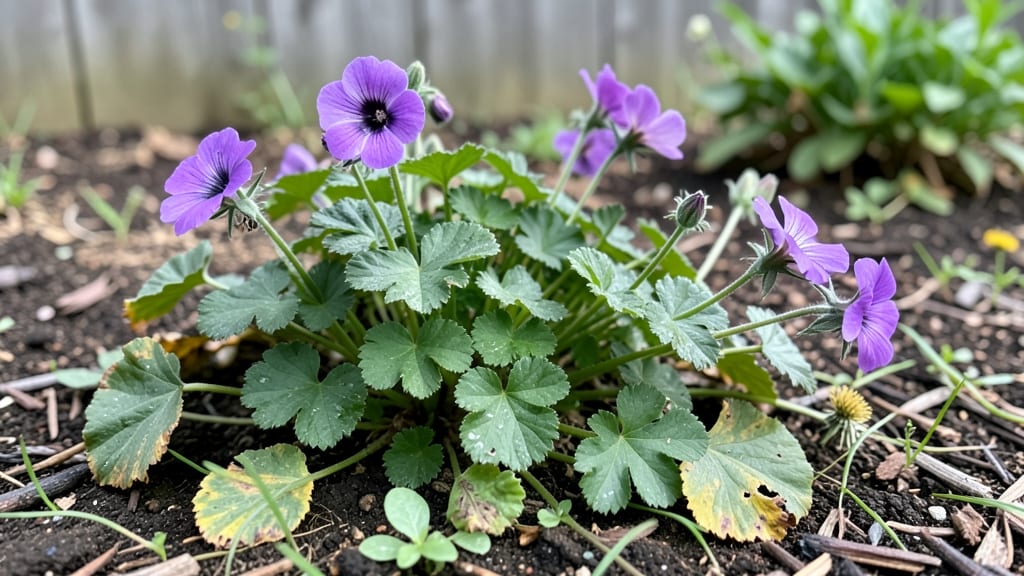
Growing purple geranium perennials means fragrant blooms that deter pests without chemicals—my favorite discovery after years of battling aphids in my garden. 🌿 These hardy plants thrive where annual geraniums fail, returning every spring with their signature purple flowers and citrusy scent that keeps bugs away.
Unlike their annual cousins, they’re tough enough to handle our Zone 6 winters with proper care.
The secret to their success lies in well-draining soil and full sun—think 6+ hours daily—but they’ll tolerate partial shade if the heat is intense. Water deeply once a week (more in summer), and you’ll avoid the root rot that plagues many gardeners.
I’ve found they spread easily through division every 3-4 years, giving you free plants for friends or new spots in your garden.
By late spring, you’ll see clusters of lavender-purple blooms that last until frost, with foliage that stays lush even in drought. The fragrance alone makes them worth growing, but their pest-repelling properties mean fewer sprays and healthier plants overall.
Prune back in early spring to encourage bushier growth, and watch them bounce back stronger than ever.
Perfect for borders, cottage gardens, or even container plantings, these perennials bring color and function to any space. They pair beautifully with lavender, salvia, and other drought-tolerant plants, creating a low-maintenance, pest-resistant garden that keeps coming back year after year.
📚 In This Guide
- What you need
- Instructions
- Tips and common mistakes
- Wrapping up and next steps
What you need
- ● Purple Geranium Perennial Plants: 3–5 healthy nursery-grown plants (ensure they’re labeled as Pelargonium or Geranium varieties like 'Johnson’s Blue' or 'Attraction' series).
- ● Well-Draining Soil Mix: 1–2 bags (50 lbs each) of potting mix (for containers) or garden soil amended with compost (for in-ground planting).
- ○ Containers (Optional for Pots): 1–2 large pots (12–16 inches in diameter) with drainage holes, or a raised bed (if gardening).
- ● Organic Fertilizer: 1 bag of balanced granular fertilizer (10-10-10) or slow-release pellets for perennials.
- ● Mulch: 1–2 bags of organic mulch (e.g., shredded bark or straw) to retain moisture and suppress weeds.
- ● Watering Can or Hose: With a gentle spray nozzle for even hydration.
- ● Garden Trowel or Spade: For transplanting or digging holes (6–8 inches deep).
- ● Gloves: A pair of gardening gloves to protect your hands.
- ● Pruning Shears: Sharp, clean shears for trimming dead foliage or shaping plants.
- ● Sunlight Spot: A location with 6+ hours of full sun daily (partial shade in hot climates).
- ○ Pest Control (Optional): Neem oil or insecticidal soap (for preemptive pest deterrence).
- ● 🌡️ Test Your Soil: Aim for a pH of 6.0–7.0—geraniums thrive in slightly acidic to neutral soil.
- ● ✨ Drainage is Key: If planting in containers, add a 1-inch layer of perlite or gravel at the bottom.
- ● 🎯 Watering Schedule: Keep soil consistently moist but not soggy (water deeply 2–3 times per week).
Step-by-Step instructions for planting and caring for purple geranium perennials
Here’s how to establish these fragrant, pest-repelling beauties with minimal fuss.
🌱 Step 1: Choose the Perfect Planting Spot
Purple geranium perennials thrive in full sun to partial shade—at least 6 hours of sunlight daily—but they’ll tolerate morning sun with afternoon shade in hotter climates. I always check the soil first: these plants hate soggy roots, so avoid low-lying areas where water pools. A slight slope or raised bed ensures proper drainage.
Test the soil by squeezing a handful—if it crumbles easily but holds shape, it’s ideal. Amend heavy clay with 2-3 inches of compost (from your materials list) to improve aeration. The fragrance of purple geraniums intensifies in well-drained soil, so this step is worth the extra attention.
🪴 Step 2: Plant at the Right Depth and Spacing
Dig holes twice as wide as the root ball but only as deep—the top of the root ball should sit flush with the soil surface. Purple geraniums resent being buried too deep, which can cause rot. Space plants 18-24 inches apart (for 4 plants, a 3-foot diameter circle works perfectly) to allow airflow and prevent fungal issues.
Gently loosen the roots if they’re circling the pot before placing them in the hole. Backfill with soil, pressing lightly to eliminate air pockets. Water deeply right after planting—1 gallon per plant—to settle the soil and encourage root contact. You’ll know it’s right when water drains through the hole within 10-15 minutes.
☀️ Step 3: Water and Mulch for Retention
Keep the soil evenly moist but never soggy for the first 2-3 weeks after planting. Purple geraniums are drought-tolerant once established, but young plants need consistent moisture. Water at the base (not overhead) to protect leaves from fungal spores. I check moisture by sticking my finger 1 inch deep—if it’s dry, it’s time to water.
Spread 2-3 inches of mulch (like shredded bark) around each plant, keeping it 2 inches away from the stem to prevent rot. Mulch conserves moisture and suppresses weeds, but don’t overdo it—too much can smother the crown. The mulch should look like a donut around each plant, not a mound.
✂️ Step 4: Prune for Bushiness and Pest Control
Deadhead spent blooms weekly to encourage more flowers and prevent seed formation, which drains the plant’s energy. Use clean, sharp pruners to snip just above a set of leaves. I always sterilize my tools with rubbing alcohol between cuts to avoid spreading disease—purple geraniums are tough but not immune to bacterial wilt.
In early spring, cut back one-third of the plant’s height to stimulate fresh growth. This also improves airflow, reducing the risk of powdery mildew. The more you prune, the bushier and fragrant your geraniums will become—just don’t wait until fall to do it, or you’ll sacrifice next year’s blooms.
💧 Step 5: Maintain Through Seasons
After the first year, purple geraniums need water only when the top 2 inches of soil feel dry. Overwatering is the fastest way to kill them, so err on the side of drought tolerance. In winter, reduce watering to once every 2-3 weeks unless you’re in a frost-free zone. These perennials are hardy to USDA Zone 5, but a thick mulch layer (up to 4 inches) protects roots in colder areas.
Fertilize once in early spring with a balanced 10-10-10 formula (from your materials list) to support blooming. Avoid high-nitrogen feeds—they produce lush foliage but fewer flowers. You’ll know your care is working when you see vibrant purple blooms by early summer and notice pests like aphids staying far away.
Tips & tricks for perfect purple geranium perennials
These simple strategies will help your purple geraniums thrive and keep pests at bay with minimal effort.
Sunlight Strategy: In Step 1, if you're in a hot climate, I've found that positioning plants to receive morning sun with afternoon shade prevents leaf scorch while still giving them the essential 6 hours of sunlight. You can achieve this by planting near a tall tree or using shade cloth during peak afternoon hours. The key is to observe your plants—if leaves start yellowing, they're getting too much direct sun.
Soil Test Tip: Before amending your soil in Step 1, I recommend doing a simple squeeze test: grab a handful of moist soil and squeeze it. If it holds its shape but crumbles when you poke it, your soil is perfect. If it stays in a tight ball, it's too clay-heavy and needs that 2-3 inches of compost to improve drainage. The better the drainage, the more fragrant your geraniums will become!
Planting Depth Secret: In Step 2, when planting, I've learned the hard way that burying the root ball too deep can cause rot. The top of the root ball should be level with the soil surface—no higher, no lower. To check, simply look at the plant after backfilling: the soil line should match where the roots meet the stem. This small detail makes all the difference in preventing future problems.
Watering Wisdom: During the critical 2-3 week establishment period in Step 3, I use the finger test religiously. Stick your finger 1 inch deep into the soil—if it feels dry, water thoroughly. The goal is to keep the soil evenly moist without creating soggy conditions. Overwatering is the number one reason purple geraniums fail, so it's better to underwater slightly than drown them.
Pro Tips for Purple Geranium Perennial
- These simple strategies will help your purple geraniums thrive and keep pests at bay with minimal effort.
- Sunlight Strategy: In Step 1, if you're in a hot climate, I've found that positioning plants to receive morning sun with afternoon shade prevents leaf scorch while still giving them the essential 6 hours of sunlight.
- Soil Test Tip: Before amending your soil in Step 1, I recommend doing a simple squeeze test: grab a handful of moist soil and squeeze it.
Frequently asked questions
Got questions about growing and caring for purple geranium perennials? You’re not alone! Here are some of the most common queries—plus straightforward answers to help you cultivate these fragrant, pest-repelling beauties with confidence.
Are purple geranium perennials easy to grow for beginners?
These hardy plants thrive in USDA Zones 5–10 and tolerate partial shade to full sun. Just ensure well-draining soil and moderate watering—overwatering is their biggest enemy. Pro tip: Start with nursery-grown plants for the best results!
When is the best time to plant purple geranium perennials?
Spring (after the last frost) or early fall are ideal. Avoid planting in scorching summer heat, as it stresses young roots. For container growing, you can plant anytime—just adjust watering to match your climate.
Do purple geranium perennials really repel pests naturally?
Yes! Their strong scent deters aphids, whiteflies, and even mosquitoes. Plant them near veggie gardens or patios to keep pests away. Bonus: They also attract pollinators like bees and butterflies!
How do I keep purple geranium perennials blooming all season?
Deadhead spent blooms regularly to encourage new flowers. Fertilize lightly in spring with a balanced, low-phosphorus formula (too much phosphorus = fewer blooms!). Mulch to retain moisture and protect roots.
What’s a good alternative if I can’t grow purple geranium perennials?
Try pelargonium graveolens (scented geranium) or helichrysum (everlasting flower) for similar pest-repelling benefits. For perennials, lavender or rosemary are fragrant, low-maintenance swaps!
Still stumped? Drop your question in the comments—we’re happy to help your purple geraniums thrive!
Wrapping up and next steps
Adding a purple geranium perennial to your garden isn’t just about beauty—it’s a fragrant, low-maintenance way to naturally deter pests while boosting your outdoor space with vibrant color. 🌸 Whether you’re a beginner or a seasoned gardener, these hardy plants thrive with minimal effort and reward you with months of blooms and pest-free foliage.
Ready to transform your garden? Start by selecting the right variety, preparing the soil, and giving them a sunny spot to shine—your future self (and local pollinators!) will thank you.