
Pests
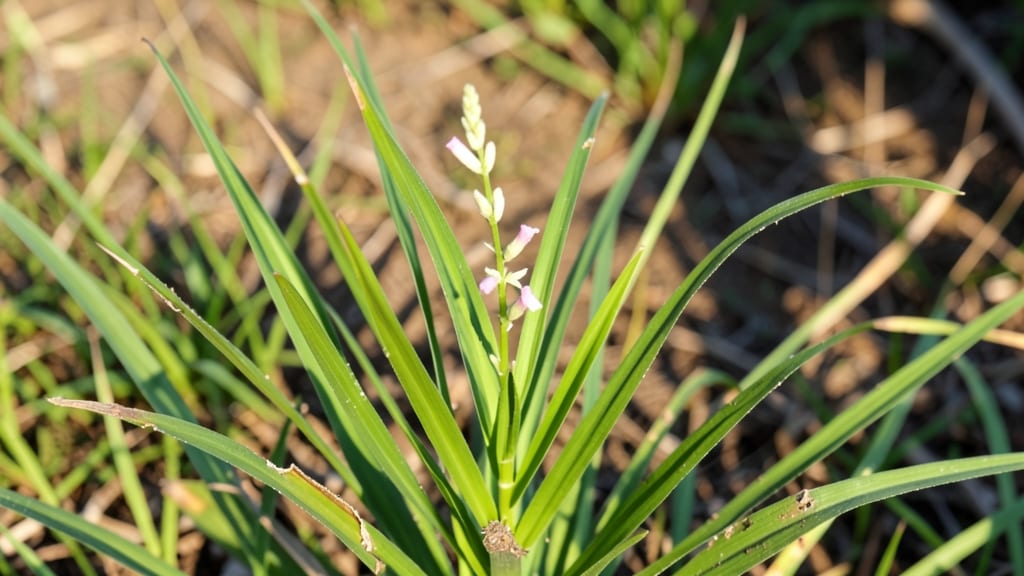
My backyard used to be a mosquito buffet—until I planted these perennials that actually work to keep them away. 🌿 The secret lies in science: certain plants release compounds that mask the scents humans give off, making us invisible to mosquitoes.
Citronella, lavender, and catnip aren’t just pretty—they’re nature’s pest control, and they come back stronger every year.
You don’t need a botanist’s green thumb to make this work. Start with three hardy perennials: lemon balm (citronella’s powerhouse cousin), marigolds (which also deter other pests), and rosemary (doubly useful for cooking).
Plant them in clusters near seating areas, patios, or water features—where you’ll actually enjoy the outdoors. Most thrive in full sun and well-drained soil, so they’re low-maintenance once established.
By late summer, you’ll notice the difference: fewer buzzing interruptions, more time relaxing outside. The plants even improve with age, releasing stronger repellent compounds as they grow. Plus, they add color and texture to your garden—no more sacrificing beauty for bug control.
Works in most climates, though southern gardeners might need extra water during heatwaves. Pair with fans for extra protection, and avoid overwatering (mosquitoes love standing water too). Let’s make your yard the neighborhood’s least favorite mosquito hotspot!
📚 In This Guide
- What you need
- Instructions
- Tips and common mistakes
- Wrapping up and next steps
What you need
- ● Perennial plants: Choose from these top mosquito-repelling picks (1–3 plants per 4 sq. ft. for optimal coverage): Citronella grass (Cymbopogon nardus) – 2–3 plants (full sun, well-drained soil)
- ● Lemon balm (Melissa officinalis) – 1–2 plants (partial sun, moist soil)
- ● Catnip (Nepeta cataria) – 1–2 plants (full sun to partial shade, drought-tolerant)
- ● Lavender (Lavandula spp.) – 3–5 plants (full sun, dry soil)
- ● Marigolds (Tagetes spp.) – 5–10 plants (full sun, annual but replant yearly)
- ● Basil (Ocimum basilicum) – 1–2 plants (full sun, well-drained soil; can be grown in pots)
- ● Gardening tools: Trowel or hand shovel (for planting)
- ● Garden gloves (to protect hands)
- ● Pruners (for trimming and maintenance)
- ● Measuring tape (for spacing plants 12–24 inches apart)
- ● Soil & amendments: Well-draining potting mix (for containers) or native soil (for in-ground planting)
- ○ Compost or organic fertilizer (optional but recommended for healthier plants)
- ● Mulch (to retain moisture and suppress weeds)
- ● Drip irrigation or soaker hose (for consistent watering)
- ● Container pots (10–12 inch diameter, if growing in pots)
- ● Mosquito-repelling essential oils (e.g., citronella, eucalyptus—spray lightly around plants)
- ● Stakes or trellis (for climbing varieties like basil or catnip)
Step-by-Step guide to planting mosquito-repelling perennials
Here’s how to create a natural, long-lasting barrier that keeps mosquitoes away year after year.
🌱 Step 1: Select the Right Perennial Varieties
Choose mosquito-repelling perennials proven to deter pests naturally. My top picks are citronella grass (Cymbopogon nardus), lavender (Lavandula angustifolia), catnip (Nepeta cataria), and bee balm (Monarda didyma)—all of which contain oils mosquitoes hate. Citronella and catnip release strong repellent scents, while lavender and bee balm attract beneficial pollinators that outcompete mosquitoes.
Buy 4 healthy nursery starts (one of each) or seed packets for self-sowing varieties like bee balm. If using seeds, start them indoors 6-8 weeks before the last frost—they’ll need warmth to germinate. Transplant seedlings outdoors once they’ve developed 3-4 true leaves and soil temperatures reach 60°F or higher.
🪴 Step 2: Prepare the Planting Site
Pick a sunny, well-drained location—most mosquito-repelling perennials thrive in full sun (6+ hours daily). Avoid low-lying areas where water pools, as stagnant moisture attracts mosquitoes. Amend the soil with 2-3 inches of compost to improve drainage and fertility, especially if your soil is heavy clay.
Space plants 18-24 inches apart to allow airflow and prevent fungal diseases. Dig holes twice as wide as the root ball but no deeper. Gently remove each plant from its container, loosen tangled roots, and place it in the hole so the top of the root ball sits level with the soil surface. This ensures proper water uptake and prevents stem rot.
💧 Step 3: Water and Mulch for Establishment
Water each plant deeply immediately after planting—soak the soil until water drains from the bottom of the hole. This settles the roots and eliminates air pockets. For the first 2 weeks, keep the soil consistently moist (about 1 inch of water per week), but avoid soggy conditions. Overwatering stresses plants and makes them vulnerable to pests.
Apply 2 inches of mulch (like shredded bark or straw) around each plant, keeping it 3 inches away from the stems. Mulch retains moisture, suppresses weeds, and regulates soil temperature. Replenish mulch as it breaks down—this ensures year-round protection with minimal maintenance.
☀️ Step 4: Maintain for Maximum Repellent Power
Fertilize lightly in early spring with a balanced, slow-release fertilizer (10-10-10) to encourage lush growth. Too much nitrogen produces weak, floppy stems that attract mosquitoes. Instead, focus on moderate feeding—just enough to keep plants vigorous without excessive foliage.
Deadhead spent flowers regularly to promote continuous blooming, which enhances the plant’s scent and repellent properties. Prune back citronella and catnip by one-third in late spring to encourage bushier growth. For lavender, trim after flowering to maintain its compact shape and prevent woody stems.
⏰ Step 5: Expand and Rotate for Long-Term Success
After the first year, divide and transplant any overcrowded perennials (like lavender or bee balm) every 3-4 years to rejuvenate growth. Mosquitoes develop resistance to single-species barriers, so rotate varieties annually—plant new species each season to confuse pests and maintain effectiveness.
By year 3, your garden will be a self-sustaining mosquito deterrent. The perennials will spread naturally, creating a natural, chemical-free barrier that thrives with minimal effort. Just enjoy the scent and the peace of mosquito-free evenings!
Tips & tricks for perfect mosquito-repelling perennial barriers
A few strategic moves will help your mosquito-deterring garden thrive—and keep those pesky insects at bay for years. Here's what I've learned after years of testing these perennials.
Location is Everything: The full sun requirement in Step 2 can't be overstated—these plants need at least 6 hours of direct sunlight daily to develop their full repellent properties. I've planted mine along my patio's southern edge where they get morning sun and afternoon shade from nearby trees. If your yard has limited sun exposure, consider using containers that can be moved to follow the sun's path throughout the day.
Root Ball Placement Matters: When planting in Step 2, resist the urge to bury the root ball too deeply. The top should sit level with the soil surface—any deeper and you risk suffocating the stems. I've seen gardeners bury them too deeply, which leads to poor drainage and root rot. Use a level to check placement before backfilling with soil.
Companion Planting Boosts: While the four perennials work well alone, I've found their effectiveness multiplies when planted together. The catnip and citronella create a strong scent barrier, while lavender and bee balm attract beneficial pollinators that naturally compete with mosquitoes. This creates a multi-layered defense system that's more effective than any single plant.
Seasonal Adjustments: The 60°F soil temperature requirement in Step 1 is crucial for transplanting. I've learned to check soil temperature with a simple thermometer before moving seedlings outdoors. In cooler climates, you might need to extend your indoor growing period or use row covers to protect young plants until temperatures rise. This prevents transplant shock that can weaken your plants' natural defenses.
Pro Tips for Perennials To Keep Mosquitoes Away
- A few strategic moves will help your mosquito-deterring garden thrive—and keep those pesky insects at bay for years.
- Location is Everything: The full sun requirement in Step 2 can't be overstated—these plants need at least 6 hours of direct sunlight daily to develop their full repellent properties.
- Root Ball Placement Matters: When planting in Step 2, resist the urge to bury the root ball too deeply.
Frequently asked questions
Got questions about using perennials to repel mosquitoes?
You’re not alone! Here are some of the most common concerns—and straightforward answers—to help you create a buzz-free outdoor space with ease.
Which perennials work best for year-round mosquito protection?
While some plants like citronella grass (a perennial in warm climates) or catnip offer strong repellent properties, others like lavender, rosemary, and bee balm provide seasonal benefits. For true year-round protection, focus on hardy perennials like lemongrass (in zones 9-11) or marigolds (annuals but replantable). Layering multiple plants maximizes effectiveness.
How long does it take for these plants to start repelling mosquitoes?
Most perennials take 4-8 weeks to establish strong enough foliage to deter mosquitoes effectively. Fast growers like catnip or lemongrass may show results in 3-4 weeks, while slower growers like lavender could take up to 2 months. Planting in early spring gives them the best head start for summer mosquito season.
Can I use these perennials in containers or small spaces?
Many mosquito-repelling perennials thrive in containers, including rosemary, thyme, and lemongrass. Choose pots with drainage holes and use well-draining soil. For small spaces, opt for compact varieties like dwarf lavender or basil (a dual-purpose herb). Place containers near seating areas or patios for targeted protection.
What if mosquitoes are still bothering me after planting these perennials?
If you’re still dealing with pests, consider combining strategies:
- Add companion plants like basil, mint, or geraniums (mosquito-repelling annuals).
- Use fans—mosquitoes are weak fliers and avoid moving air.
- Eliminate standing water (their breeding grounds) near your garden.
- Replant dense foliage like catnip or citronella in high-traffic areas.
Are there any perennials I should avoid planting near mosquito-repelling plants?
Yes! Some plants attract mosquitoes due to their scent or moisture retention. Avoid planting near:
- Jasmine (sweet fragrance lures them).
- Hibiscus (stagnant water in saucers).
- Petunias (can emit odors that draw pests).
- Ferns or damp shrubs (high humidity creates breeding grounds).
Wrapping up and next steps
Transforming your outdoor space into a mosquito-free haven is easier than you think! By incorporating these perennial plants, you’ll enjoy year-round protection without harsh chemicals. Start small—plant a few of these natural repellents in your garden or around patios, and watch the difference in just a few weeks. 🌿✨
Ready to take action? Pick 2-3 plants from our list, check your local climate, and begin planting this weekend. Your future self (and your skin) will thank you!