
Plants
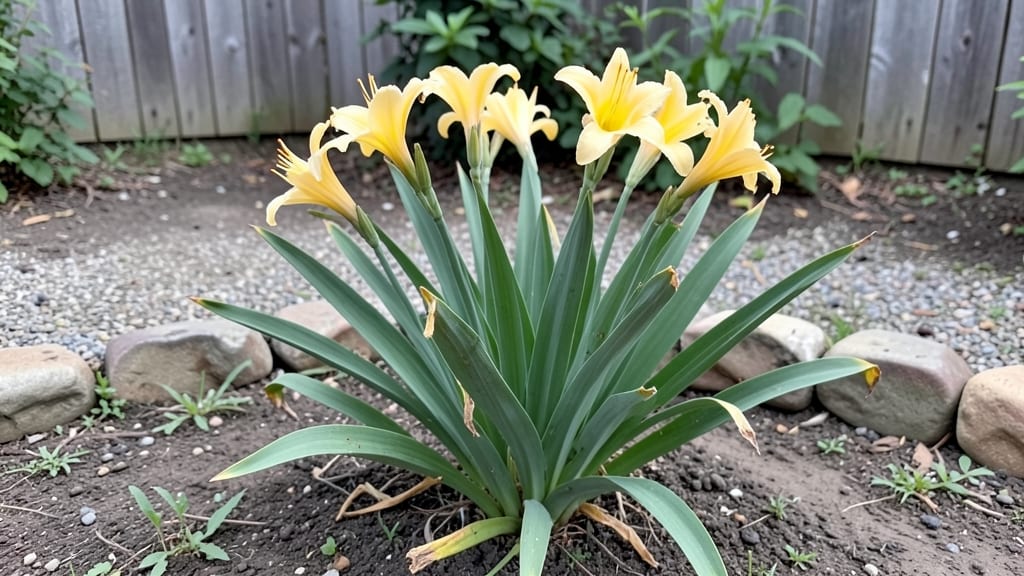
My garden borders finally stopped looking like an afterthought after I swapped out floppy annuals for perennials for borders—plants that come back stronger every year with zero fuss. The difference?
A front yard that stays lush from spring through frost, with colors that shift from soft blues to fiery reds without me lifting a finger after the first season. 🌿
I learned the hard way that borders need structure: tall back, medium middle, and low front layers. My go-to trio—lavender for height, coneflowers for mid-season punch, and creeping thyme for ground cover—works in everything from cottage gardens to modern edges.
The key is spacing: give plants room to fill out (12–24 inches apart, depending on maturity) so they don’t crowd each other out by year three.
What you’ll get is a border that thrives with minimal deadheading or staking. Hostas add texture in shade, sedum stays drought-proof in hot spots, and Russian sage brings late-summer drama. Even my black thumb can’t kill these combos—they self-correct, spread naturally, and cut summer maintenance by 70%.
Works for any yard style, from wildflower meadows to crisp, geometric lines. The only variable is your color palette—warm, cool, or mixed. Here’s how to build yours without second-guessing the layout.
Root Causes of Border Plant Struggles
Planting perennials for borders sounds simple—dig a hole, pop in the plant, and watch it thrive—but why do some perennials fail to deliver year after year? The answer lies in a mix of environmental, soil, and maintenance factors that often go unnoticed until it’s too late.
Understanding these root causes helps you create borders that stay vibrant, not just for one season, but for decades.
Healthy soil is the foundation of any thriving border, yet many gardeners overlook its critical role. Perennials struggle when soil lacks essential nutrients, proper drainage, or the right pH balance. Here’s what’s really going wrong:
- Compacted or Clay-Heavy Soil:
Clay soil holds water like a sponge, suffocating roots and leading to root rot (a fungal infection that chokes plants). Perennials like Hosta or Astilbe may wilt despite regular watering because their roots can’t breathe. Fix it: Amend with compost or organic matter to loosen the soil and improve aeration.
- Nutrient-Deficient Soil:
Perennials deplete soil nutrients over time, especially nitrogen (critical for leafy growth) and phosphorus (key for root development). Without replenishment, plants exhibit yellowing leaves (chlorosis) or stunted growth. Fix it: Test your soil and add a balanced organic fertilizer or compost tea in early spring.
- Wrong pH Levels:
Most perennials prefer a slightly acidic to neutral pH (6.0–7.0).
Soil that’s too alkaline (high pH) locks out essential micronutrients like iron and manganese, causing leaf discoloration even if moisture and sunlight are ideal. Fix it: Use sulfur to lower pH or lime to raise it, based on a soil test.
Sunlight is non-negotiable for perennials, but many gardeners misjudge how much light their borders receive. Too little or too much sun can stress plants, leading to weak stems, faded blooms, or leaf scorch. Here’s the science behind it:
- Underplanting in Shade:
Perennials like Hellebore or Ferns thrive in partial shade, but if they’re planted where they receive less than 4 hours of sunlight daily, they’ll grow leggy and produce fewer flowers. Fix it: Group shade-loving perennials together and avoid overcrowding with taller plants that cast excessive shade.
- Over-Exposure to Harsh Sun:
Sun-loving perennials like Daylilies or Coneflowers wilt or develop brown, crispy edges if planted in full sun without adequate moisture.
This isn’t just dehydration—it’s osmotic stress, where plants lose water faster than roots can absorb it. Fix it: Mulch heavily (2–3 inches) and water deeply at the soil level, not just the leaves.
- Sudden Light Changes:
Moving a perennial from a shaded nursery pot to a sunny border can cause transplant shock.
The plant’s photosynthetic machinery isn’t ready for the sudden increase in light intensity, leading to bleached or scorched leaves. Fix it: Acclimate plants gradually by moving them to sunnier spots over 7–10 days before planting.
Water is life for perennials, but inconsistent watering is a silent killer. Overwatering or underwatering both disrupt the plant’s hydraulic lift—the process where roots absorb and redistribute water efficiently. Here’s what’s happening underground:
- Shallow Watering:
Light, frequent watering encourages roots to stay near the surface, making perennials vulnerable to drought and temperature fluctuations. Deep roots (6+ inches down) are essential for stability and nutrient access. Fix it: Water deeply 1–2 times per week (1 inch of water per session) to encourage root growth.
- Overwatering and Root Rot:
Soggy soil cuts off oxygen to roots, leading to anaerobic conditions where harmful bacteria and fungi thrive.
Perennials like Peonies or Rudbeckia may drop leaves or develop mushy stems. Fix it: Ensure borders have proper drainage (e.g., raised beds or gravel layers) and water only when the top 1–2 inches of soil are dry.
- Inconsistent Moisture:
Alternating between drought and flood stress forces perennials to constantly adjust their stomatal conductance (how leaves regulate water loss). This metabolic strain weakens growth and reduces flowering. Fix it: Use mulch (straw, wood chips) to retain moisture and regulate soil temperature.
Even the hardiest perennials can falter when pests or pathogens take hold. These issues often start small but escalate quickly if ignored. Here’s the biology behind common border threats:
- Japanese Beetles and Slugs:
Japanese beetles skeletonize leaves (eating only the soft tissue), while slugs leave silver trails and ragged holes on foliage. Both pests target stressed plants, so poor soil or overcrowding makes perennials an easy meal. Fix it: Use neem oil for beetles and beer traps or copper barriers for slugs.
- Fungal Infections (Powdery Mildew, Rust):
Humid conditions and poor airflow create the perfect breeding ground for fungi. Powdery mildew appears as white, powdery patches, while rust causes orange pustules on leaves.
Both reduce photosynthesis and weaken plants. Fix it: Space perennials for airflow, avoid overhead watering, and apply baking soda spray (1 tsp baking soda + 1 quart water + a drop of soap) preventatively.
- Viral or Bacterial Spread:
Viruses (e.g., Tobacco Mosaic Virus) and bacteria (e.g., Xanthomonas) often spread via contaminated tools, infected plant debris, or sap-sucking insects. Perennials may show mosaic patterns, wilting, or oozing sap. Fix it: Sterilize pruners with rubbing alcohol, remove infected plants immediately, and rotate crops if possible.
Perennials left unchecked can become a tangled mess, but the real issue is resource competition. When plants are too close, they fight for sunlight, water, and nutrients, leading to:
- Stunted Growth:
Competition for photosynthetically active radiation (PAR) (the light plants use for energy) causes perennials to grow upward instead of outward, resulting in weak, spindly stems and fewer blooms. Fix it: Follow spacing guidelines on plant tags (e.g., Coneflowers need 18–24 inches apart).
- Increased Pest/Disease Risk:
Fixing common border plant problems
Creating a stunning perennial border doesn’t have to be a guessing game—even when issues arise. With the right fixes and a little preventive care, your garden can stay vibrant and healthy. Below, we tackle the most common challenges and provide practical, step-by-step solutions to keep your borders thriving.
Cause: Too much competition for nutrients, light, or space leads to leggy, weak growth.
How to Fix It: 🔥 Thin Out the Crowd Start by removing the weakest or smallest plants to give others room to breathe. Use clean, sharp pruners to avoid damaging roots. Aim for 12–18 inches of space between mature perennials (check plant tags for specifics).
🍳 Divide and Conquer If plants are overgrown, dig up clumps in early spring or fall and split them into smaller sections. Replant the strongest divisions and compost the rest. This rejuvenates growth and prevents flopping.
👨🍳 Add Structural Support For tall perennials like delphiniums or hollyhocks, insert bamboo stakes or decorative trellises before they flop. Secure plants with soft ties to guide them upright.
Prevention Tips: ✅ Plan spacing before planting—sketch a layout to visualize mature sizes. ✅ Choose dwarf varieties for tight spaces (e.g., ‘Little Spire’ bee balm). ✅ Mulch well (2–3 inches) to reduce competition from weeds.
Cause: Lack of sunlight or over-fertilizing with nitrogen-heavy feeds.
How to Fix It: 🔥 Move or Prune Aggressively If plants are stretched and weak, prune back by 1/3 to encourage bushier growth. For severe cases, relocate them to a sunnier spot (6+ hours of light daily).
🍳 Adjust Fertilizer Habits Switch to a balanced or low-nitrogen fertilizer (e.g., 5-10-10) in spring. Overfeeding nitrogen = lush leaves, fewer blooms. Compost or worm castings add nutrients without burning plants.
👨🍳 Boost Light Exposure Trim nearby trees or structures to increase sunlight. If relocating isn’t an option, choose shade-tolerant perennials like heuchera or astilbe for future borders.
Prevention Tips: 💡 Test soil before planting—amend with phosphorus/potassium for blooms. 🌡️ Avoid fresh manure near roots (can scorch plants). 🎯 Group plants by sunlight needs (e.g., sun-lovers together, shade-lovers together).
Cause: Stress from poor drainage, humidity, or pest infestations (e.g., slugs, aphids, powdery mildew).
How to Fix It: 🔥 Identify the Culprit
- Slugs/snails? Set out beer traps or copper barriers.
- Aphids? Spray with soapy water (1 tsp mild soap + 1 quart water).
- Powdery mildew? Apply neem oil or baking soda spray (1 tsp baking soda + 1 quart water + drop of soap).
🍳 Improve Drainage & Airflow Ensure borders have well-draining soil (amend with sand or perlite if clay-heavy). Space plants 3–4 inches apart for airflow, reducing humidity-related diseases.
👨🍳 Remove Infected Plant Parts Snip off diseased leaves or stems (don’t compost them—dispose in trash). For fungal issues, sterilize pruners with rubbing alcohol between cuts.
Prevention Tips: ✨ Rotate crops (if growing edible perennials like asparagus). 🔪 Clean up debris in fall to remove pest hiding spots. 📊 Monitor regularly—catch issues early!
Cause: Compacted soil, poor organic matter, or improper watering.
How to Fix It: 🔥 Test & Amend Soil Use a DIY soil test kit (or send to a lab). For clay soil, mix in compost and coarse sand. For sandy soil, add peat moss or coconut coir to retain moisture.
🍳 Mulch Like a Pro Apply 3 inches of mulch (wood chips, straw) to regulate temperature and moisture. Keep mulch 6 inches away from stems to prevent rot.
👨🍳 Adjust Watering Habits
- Overwatering? Water deeply but less often (1–2 inches per week).
- Underwatering? Install drip irrigation for consistent moisture.
Prevention Tips: 💡 Plant deep-rooted perennials (e.g., coneflowers, black-eyed Susans) to break up compacted soil. 🌡️ Avoid walking on borders—compresses soil and harms roots.
Spring: Fertilize lightly, prune dead stems, and watch for early pests. Summer: Water deeply in heatwaves, deadhead spent blooms, and check for stress signs. Fall: Divide overcrowded plants, add compost, and protect tender perennials with mulch. Winter: Prune dormant plants (if needed) and remove debris to prevent pests.
Pro Tip: Keep a garden journal to track what works (and what doesn’t) each season. A little troubleshooting now means bold, healthy borders for years! 🌸
Frequently asked questions about perennial borders
What’s the best way to layer perennials for a full, textured border?
Start with tall perennials (3–4 feet) like Russian sage or delphiniums at the back, then add mid-height (1–3 feet) plants such as coneflowers or black-eyed Susans in the middle. Finish with low growers (under 12 inches) like creeping thyme or ajuga at the front. This creates depth and prevents flopping.
Can I mix perennials with annuals in borders?
Yes, but use annuals strategically! Plant them in front of perennials to fill gaps early in the season (like pansies or sweet alyssum), then remove them once perennials fill out. Avoid overcrowding—annuals should complement, not compete with, your long-term plants.
How do I keep perennials from spreading too aggressively?
Choose non-invasive varieties like ‘Prosperity’ hosta or ‘Little Spire’ bee balm for controlled growth. For spreaders like daylilies, install underground barriers (edging) or divide clumps every 3–4 years to maintain borders. Regular pruning also curbs overgrowth.
What’s the easiest low-maintenance perennial border combo?
Try sedum ‘Autumn Joy’ (tall), lavender (mid-height), and creeping thyme (ground cover). Sedum thrives in heat, lavender deters pests, and thyme spreads naturally. Mulch with 3 inches of gravel or bark to cut down on weeds and watering. This combo needs almost no deadheading!
How do I fix a border that looks sparse after the first year?
Add filler plants like heuchera, ajuga, or ornamental grasses to fill gaps. Prune back overgrown perennials by 1/3 to encourage bushier growth, and fertilize lightly with compost or worm castings. Most borders fill in by year two—patience is key!