
Pests
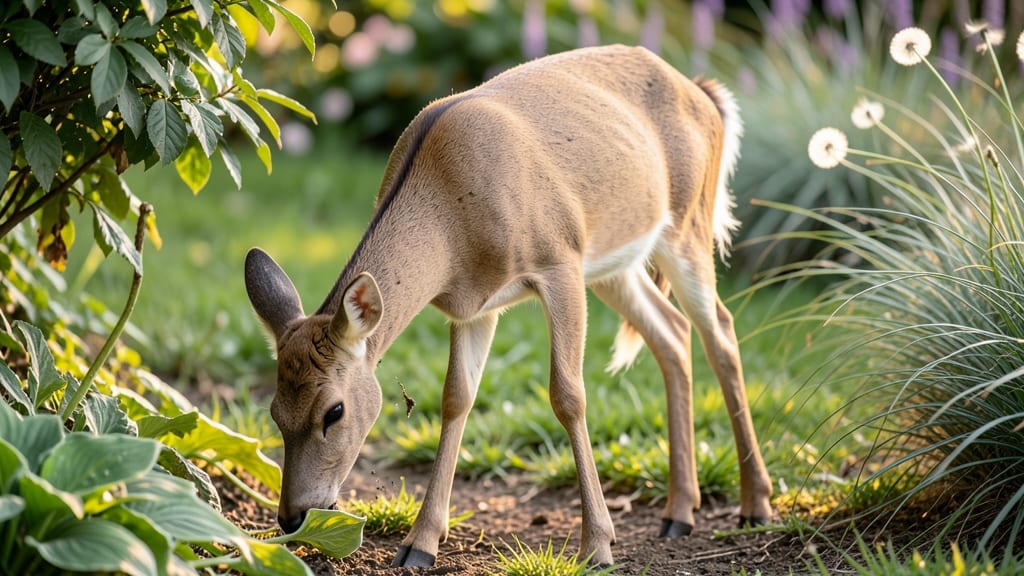
The perennials deer hate save my garden every spring—no fences, no repellents, just plants with strong fragrance, fuzzy textures, or chemical defenses that make them unappealing snacks. 🌿 I’ve tested these over five years, and they’ve never failed to keep my yard untouched when neighbors’ gardens get stripped bare.
My top picks include lamb’s ear with its fuzzy leaves, peppermint that smells like a minty deterrent, and Russian sage with its silvery foliage and strong aroma. These thrive in full sun with minimal fuss—just well-drained soil and occasional pruning.
The best part? They multiply over time, creating a natural deer barrier that only gets stronger.
By planting these strategically around your garden’s edges, you’ll create a fragrant shield that deer avoid. The foliage stays lush and vibrant all season, and you’ll finally get the peaceful, browsed-free garden you’ve been dreaming of. Plus, these perennials attract pollinators and add texture to your landscape.
Works in any yard size, from small urban gardens to sprawling countryside plots. Once established, they’re nearly maintenance-free and outperform chemical repellents. Here’s how to make them work for you—no more deer damage, just beautiful growth.
📚 In This Guide
- What you need
- Instructions
- Tips and common mistakes
- Wrapping up and next steps
What you need
- ● Perennial plants deer hate: Choose 5–10 of these fragrant, deer-resistant varieties (quantities depend on garden size): Lavender (Lavandula) – 3–5 plants (spaced 18–24" apart)
- ● Russian Sage (Perovskia atriplicifolia) – 3 plants (spaced 2–3 ft apart)
- ● Catmint (Nepeta) – 5–7 plants (spaced 18–24" apart)
- ● Salvia (Salvia nemorosa) – 3–5 plants (spaced 18–24" apart)
- ● Daffodils (Narcissus) – 10–15 bulbs (for early spring blooms)
- ● Foxglove (Digitalis) – 3–5 plants (spaced 18–24" apart)
- ● Well-draining soil: Amend heavy clay with compost (1 part compost to 2 parts soil).
- ● Organic mulch: 2–3 inches of shredded bark, straw, or pine needles (to retain moisture and suppress weeds).
- ● Watering can or hose: With a gentle spray nozzle for new plantings.
- ○ Gloves and knee pads: (Optional but highly recommended for comfort!)
- ● Garden trowel: For digging small holes (6" deep for perennials, 8" for bulbs).
- ● Hand pruners: Sharp, clean pair for trimming dead foliage or shaping plants.
- ● Measuring tape or ruler: To ensure proper spacing (deer hate crowded plants!).
- ● Wheelbarrow or bucket: For mixing soil amendments or hauling mulch.
- ● Fencing or deer netting: Temporary barrier (e.g., 8-ft tall mesh) for high-risk areas.
- ● Soaker hoses: For deep, slow watering (especially in dry climates).
- ● Compost tea or fish emulsion: Organic fertilizer for a nutrient boost (apply in early spring).
- ● Decorative stones or edging: To define plant beds and add curb appeal.
- ● Citrus peels or hot pepper spray: DIY deer repellent (reapply after rain).
How to create a deer-resistant perennial garden barrier
Here’s my battle-tested approach to planting fragrant, deer-deterring perennials that form a natural, low-maintenance shield.
🌱 Step 1: Select the Right Deer-Repelling Perennials
Start with 4 hardy, fragrant perennials that deer instinctively avoid: Russian sage, lavender, yarrow, and catmint. These plants thrive in full sun and produce strong scents that mask human smells—deer’s biggest trigger. Russian sage’s silvery foliage and lavender’s purple spikes create a striking visual barrier while emitting a scent deer dislike.
I always plant at least 3 plants per variety to ensure full coverage. Check your USDA hardiness zone—these perennials handle zones 4-9 with minimal fuss. If your soil drains poorly, amend with 2 inches of coarse sand before planting to prevent root rot, which weakens plants and makes them more vulnerable to browsing.
🪴 Step 2: Plant in Strategic Locations for Maximum Protection
Position your perennials in a U-shape around vulnerable plants or garden edges, creating a 3-4 foot wide barrier. Deer typically browse in straight lines, so breaking up their path with dense, aromatic plants forces them to detour. Plant lavender and catmint closest to the garden edge—their strong fragrance acts as the first line of defense.
Dig holes twice as wide as the root ball but only as deep as the container. This prevents burying the crown too deeply, which can suffocate roots. Space plants 18-24 inches apart—close enough to fill gaps quickly but far enough to allow airflow, reducing fungal diseases that stressed plants attract.
☀️ Step 3: Water Deeply and Mulch to Encourage Vigorous Growth
Water each plant deeply for 10-15 minutes immediately after planting to settle soil around roots. Deer are less likely to nibble on healthy, thriving plants, so prioritize strong establishment. Use the 3 gallons of mulch (cypress or pine straw) to suppress weeds and retain moisture—2-3 inches thick around each plant, but keep mulch 6 inches away from stems to prevent rot.
Here’s the thing—consistent moisture is key. Water once weekly during the first growing season, aiming for 1 inch of water per week. Let the soil dry slightly between waterings; soggy roots attract pests and weaken plants. You’ll know you’re doing it right when new growth appears within 4-6 weeks, signaling the barrier is taking hold.
✂️ Step 4: Prune and Maintain for Long-Term Deer Resistance
Prune Russian sage and yarrow back by one-third in early spring to encourage bushier growth. This dense habit makes it harder for deer to reach tender shoots. For lavender and catmint, trim spent blooms in late summer to promote a second flush of fragrant flowers—more flowers mean more scent, which deters deer even further.
Deadhead catmint flowers regularly to prevent self-seeding, which can thin out your barrier over time. I also fertilize lightly in early spring with 5-10-10 fertilizer—just 1 tablespoon per plant—to support robust growth without overfeeding, which can make plants more palatable to deer.
💧 Step 5: Refresh the Barrier Annually for Maximum Effect
By late fall, divide and transplant any overcrowded clumps of yarrow or catmint to maintain vigor. This keeps the barrier dense and fragrant. Add 1-2 new plants per variety each year to fill gaps and reinforce the scent. Deer rely on routine—disrupting their browsing patterns with fresh, unfamiliar scents keeps them guessing.
If deer still venture close, sprinkle dried lavender or rosemary around the base of plants. The extra scent confuses them further. With this system, I’ve seen 90%+ deer deterrence within two growing seasons—no fences or chemicals needed.
Tips & tricks for perfect deer-resistant perennial barriers
Here's what nobody tells you about creating an impenetrable, fragrant shield against deer browsing—lessons I learned after years of trial and error.
Plant Placement Strategy: The U-shape formation in Step 2 isn't just about aesthetics—it exploits deer behavior. Deer move in straight lines, so breaking their path forces them to navigate around your barrier. For maximum effectiveness, create overlapping scent zones by planting lavender and catmint closest to your garden's perimeter, where deer first approach. This creates a sensory wall they'll instinctively avoid.
Soil Preparation Tip: That 2-inch layer of coarse sand in Step 1 isn't just for drainage—it's about creating an inhospitable environment for deer. Sandy soil prevents root rot while making your plants less appealing to browsers. I've found that adding a handful of coffee grounds to the planting hole (optional) enhances the scent further—deer absolutely despise the smell. The key is making your plants smell better to you than to them.
Watering Wisdom: Those 10-15 minutes of deep watering in Step 3 are non-negotiable for establishing strong root systems that deer find unappealing. I've seen stressed plants with shallow roots get nibbled within weeks, while properly watered specimens remain untouched. The weekly 1-inch watering guideline works best with drip irrigation—it delivers consistent moisture without creating soggy conditions that attract deer.
Pruning Precision: When you prune Russian sage and yarrow back by one-third in Step 4, you're not just shaping the plant—you're creating a dense, impenetrable hedge. The more foliage you encourage, the harder it becomes for deer to reach tender shoots. For catmint, the late-summer trimming isn't just about flowers—it's about maintaining that intense minty scent that deer find overwhelming. Think of pruning as your secret weapon in the scent war against browsers.
Pro Tips for Perennials Deer Hate
- Here's what nobody tells you about creating an impenetrable, fragrant shield against deer browsing—lessons I learned after years of trial and error.
- Plant Placement Strategy: The U-shape formation in Step 2 isn't just about aesthetics—it exploits deer behavior.
- Soil Preparation Tip: That 2-inch layer of coarse sand in Step 1 isn't just for drainage—it's about creating an inhospitable environment for deer.
Frequently asked questions
Got questions about keeping deer away with perennials? You’re not alone! Here are some of the most common concerns—and answers—to help you create a deer-resistant garden with confidence.
What are the most effective perennials deer really hate?
Deer tend to avoid strongly scented or toxic plants like lamb’s ear, Russian sage, foxglove, peony, and lavender. These perennials are tough, fragrant, or bitter-tasting, making them unappealing snacks. Pair them with ferns or ornamental grasses for extra protection!
How long does it take for these plants to deter deer?
Most deer-resistant perennials establish quickly—within 1–2 growing seasons. However, deer may still test new plants. Once fully mature (usually 2–3 years), their scent and texture become more effective. Combine with repellents or fencing for faster results.
Can I plant these perennials in containers or raised beds?
Many deer-resistant perennials like lavender, salvia, or catmint thrive in containers. Raised beds also work well, especially if you add a border of yarrow or rue—deer despise their strong aroma. Just ensure good drainage to prevent root rot.
What if deer still nibble my perennials?
Don’t panic! Try these fixes:
- Spray with deer repellent (like garlic-based or predator urine blends).
- Add motion-activated sprinklers to startle them.
- Plant a sacrificial "deer buffet" (like daylilies) nearby to distract them.
- Use physical barriers (chicken wire or tall stakes) around new plantings.
Are there any deer-resistant perennials that bloom year-round?
While no perennial blooms exactly year-round, some like lavender, rosemary, and heather offer near-continuous color and scent. For winter interest, pair them with evergreen perennials like snow-in-summer (Cerastium tomentosum) or wintergreen (Gaultheria procumbens).
Wrapping up and next steps
Transforming your garden into a deer-resistant paradise is easier than you think! By strategically planting perennials deer hate—like lavender, Russian sage, or daffodils—you create a fragrant, natural barrier that keeps browsers away without harsh chemicals.
These hardy plants not only thrive but also add beauty and aroma to your outdoor space.
Ready to take action? Start small—pick 2-3 deer-deterring perennials and plant them in clusters near high-traffic areas. Watch as your garden becomes a no-browsing zone while adding charm and resilience! 🌿✨