
Flowers
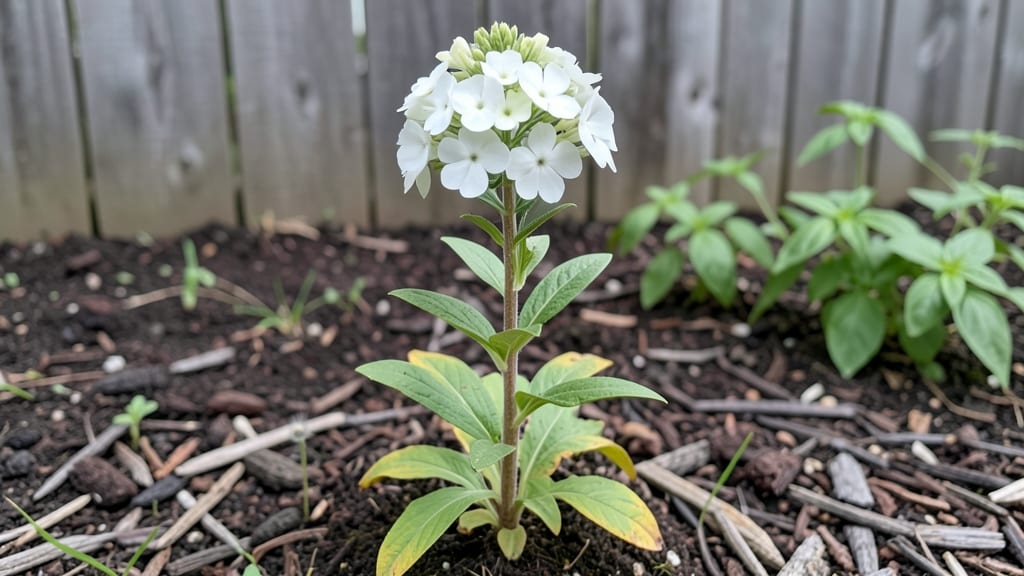
Planting perennial white phlox is like inviting a fragrant cloud into your garden—it thrives where others struggle, blooming reliably for years with almost no effort. 🌿 The secret lies in mimicking its native woodland edges: dappled light, moist but well-drained soil, and a spot where it won’t compete with aggressive neighbors.
I’ve watched mine spread into lush mounds that hum with butterflies from June through August, and the fragrance? Pure magic when you brush past the blooms.
Start with the right conditions: partial shade to full sun, 6-8 hours of light daily, and soil that drains well but stays slightly moist. Amend heavy clay with compost, and avoid over-fertilizing—white phlox rewards restraint with bold, disease-resistant blooms.
Once established, it’s nearly indestructible, handling drought and deer better than most perennials. The real work comes in spring cleanup and occasional deadheading to keep those clouds looking fresh all season.
📚 In This Guide
- What you need
- Instructions
- Tips and common mistakes
- Wrapping up and next steps
What you need
- ● Perennial white phlox plants: 3–5 healthy nursery starts (or seeds if starting from scratch). Look for Phlox paniculata varieties like ‘White Delight’ or ‘David.’
- ● Well-draining potting mix: 2–3 bags (10–15 quarts each) of high-quality garden soil amended with 20–30% compost or peat moss.
- ● Organic fertilizer: A balanced 10-10-10 or 5-10-10 formula (1–2 lbs per 100 sq ft) to boost blooms.
- ● Mulch: 2–3 cubic feet of shredded bark or pine straw to retain moisture and regulate soil temp.
- ● Gardening gloves (1 pair) – Protect your hands from thorns and soil.
- ● Trowel or hand shovel – For digging planting holes (6–8" deep).
- ○ Garden fork – Loosens compacted soil (optional but helpful).
- ● Watering can or hose with a gentle nozzle – Phlox loves consistent moisture!
- ● Pruners or shears – For deadheading spent blooms and shaping plants.
- ● Slow-release fertilizer spikes – Reduce maintenance with timed nutrient release.
- ● Butterfly-friendly companion plants (e.g., lavender, coneflowers) – Attract pollinators!
- ● Epsom salt (1 cup per 10 sq ft) – Boosts magnesium for vibrant blooms.
- ● Drip irrigation system – Automates watering for busy gardeners.
Step-by-Step guide to planting and cultivating perennial white phlox
Here's how I transform fragrant, butterfly-loving phlox into a showstopping garden centerpiece.
🌱 Step 1: Select the Perfect Planting Site
Perennial white phlox thrives in partial shade to full sun, but I’ve found the sweet spot is morning sun with afternoon shade—especially in hotter climates. This prevents the blooms from scorching while ensuring strong stems. Test your spot by observing how much direct sunlight it gets between 10 AM and 2 PM. If the area stays dappled or receives less than 4 hours of afternoon sun, it’s ideal.
Phlox roots spread aggressively, so give each plant 2-3 feet of breathing room in all directions. If planting multiple, space them 18-24 inches apart to prevent overcrowding. I always mark the spots with stakes before digging—trust me, you’ll thank yourself later when you’re not guessing where to plant.
🪴 Step 2: Prepare the Soil for Optimal Growth
White phlox prefers well-draining, slightly acidic soil with a pH between 6.0 and 7.0. Before planting, loosen the soil to a depth of 12 inches using a garden fork or tiller. Amend the area with 2-3 inches of compost mixed into the top 6 inches of soil. This ensures nutrients are available without overwhelming the roots.
If your soil is heavy clay, blend in 1 part perlite or coarse sand for every 3 parts soil to improve drainage. Phlox hates soggy roots, so the goal is a loose, crumbly texture that holds moisture but doesn’t stay waterlogged. Test the soil by squeezing a handful—it should hold together but break apart easily when touched.
☀️ Step 3: Plant at the Right Depth and Stagger for Continuous Bloom
Dig a hole twice as wide as the root ball but only as deep as the container’s base. Gently remove the phlox from its pot and tease the roots outward if they’re circling. Place the plant so the top of the root ball sits level with the surrounding soil—burying too deep can cause rot, while planting too high stresses the plant.
Here’s the trick for nonstop blooms: stagger your planting. Space out 4-6 plants every 2-3 weeks in spring. This ensures flowers appear in waves throughout the season instead of all at once. Water deeply right after planting to settle the soil and eliminate air pockets around the roots.
💧 Step 4: Water Deeply and Mulch for Retention
Water the newly planted phlox deeply once a week for the first 4-6 weeks, providing 1 inch of water per session. This encourages roots to grow downward rather than staying shallow. Check moisture by sticking your finger 2 inches into the soil—if it feels dry, it’s time to water. Overhead watering can cause fungal issues, so aim for the base of the plant.
Spread 2-3 inches of mulch (like shredded bark or pine needles) around the base, keeping it 2 inches away from the stems to prevent rot. Mulch locks in moisture, regulates soil temperature, and suppresses weeds—three wins in one. Replenish mulch annually in early spring to maintain its effectiveness.
✂️ Step 5: Prune and Maintain for Next Year’s Glory
After the first flush of blooms fades, deadhead spent flowers by cutting back to the first set of healthy leaves. This redirects the plant’s energy into next year’s buds instead of seed production. I also trim any leggy or overcrowded stems to improve airflow, which reduces disease risk.
In late fall, cut back the foliage by one-third to tidy the plant. Leave some stems if you prefer a natural look, but removing them prevents pests from overwintering. Apply a light layer of compost around the base in early spring to replenish nutrients for another spectacular season.
Tips & tricks for perfect perennial white phlox cultivation
These battle-tested strategies will help you grow phlox that's lush, fragrant, and bursting with blooms all summer long.
Site Selection Secret: Pay special attention to that afternoon sun rule in Step 1. I've seen phlox leaves turn crispy after just two hours of direct afternoon sun in hot climates—it's not just about shade, it's about timing. Consider installing temporary shade cloth (30-50% shade) if your spot gets too much midday sun, especially during summer months when temperatures peak.
Soil Prep Pro Tip: When amending your soil in Step 2, don't just mix compost on top—work it into the top 6 inches as specified. I learned this the hard way when my first batch of phlox struggled because the roots couldn't access the nutrients. For clay-heavy soils, add perlite or sand gradually while testing the texture—aim for that "squeeze and crumble" consistency where it holds together but breaks apart cleanly.
Planting Depth and Staggering Strategy: The staggered planting technique in Step 3 is pure genius for continuous blooms. Mark your planting schedule on a calendar right after your first batch goes in—this ensures you'll have flowers from early summer through fall. For the depth, use a ruler to verify the root ball sits level with the surrounding soil; even a half-inch difference can affect root health.
Watering Wisdom: That 1-inch weekly watering guideline in Step 4 is perfect, but here's the catch: morning watering is best. Watering in the evening can leave moisture on leaves too long, inviting fungal diseases. I set a timer on my irrigation system for 7 AM—it's automated, and my phlox thrives without the guesswork. Always check that 2-inch soil depth with your finger before watering again.
Pro Tips for Perennial White Phlox
- These battle-tested strategies will help you grow phlox that's lush, fragrant, and bursting with blooms all summer long.
- Site Selection Secret: Pay special attention to that afternoon sun rule in Step 1.
- Soil Prep Pro Tip: When amending your soil in Step 2, don't just mix compost on top—work it into the top 6 inches as specified.
Frequently asked questions
Got questions about growing and caring for perennial white phlox? You’re not alone—this fragrant beauty is a favorite, but it does have its quirks! Here are answers to the most common queries to help you cultivate a thriving garden centerpiece.
When is the best time to plant perennial white phlox?
Plant Phlox paniculata in early spring or early fall when soil temperatures are cool (50–65°F). Avoid planting in summer heat, as it can stress the roots. If you’re dividing established plants, do it in spring or early fall too—never in winter or peak summer.
How long does it take for white phlox to bloom after planting?
With proper care, perennial white phlox typically blooms in the first year—usually between mid-to-late summer (July–August). Young plants may take a little longer (up to 2 years) if planted late in the season. Patience pays off!
Why aren’t my white phlox flowers opening, and how can I fix it?
If buds fail to open, it’s often due to overcrowding, poor air circulation, or fungal issues (like powdery mildew). Thin out crowded stems, space plants 2–3 feet apart, and avoid overhead watering. For mildew, treat with neem oil or fungicide and ensure good airflow.
Are there any low-maintenance alternatives to white phlox?
If phlox seems high-maintenance, try these butterfly-friendly, low-care perennials:
- Coneflower (Echinacea): Drought-tolerant, long blooms, and pollinator magnets.
- Bee Balm (Monarda): Fragrant, heat-resistant, and thrives in partial shade.
- Black-Eyed Susan (Rudbeckia): Hardy, self-seeds easily, and blooms late summer.
Can perennial white phlox survive winter in cold climates?
Yes! White phlox is hardy in USDA zones 4–8. In colder regions, mulch heavily (3–4 inches) with straw or shredded leaves after the first frost. Cut back dead foliage in late winter or early spring—never in fall—to prevent disease.
Wrapping up and next steps
Perennial white phlox isn’t just a pretty face—it’s a fragrant, low-maintenance superstar that turns your garden into a butterfly haven! 🦋 With the right soil, sunlight, and a little TLC, you’ll enjoy blooms from early summer to fall, filling your space with sweet scent and vibrant color.
Ready to transform your garden? Grab your gloves, pick your favorite variety, and plant with confidence—your future blooms will thank you! Start small, experiment with companion plants, and soon, you’ll have a thriving, pollinator-friendly paradise.