
Companion Plants
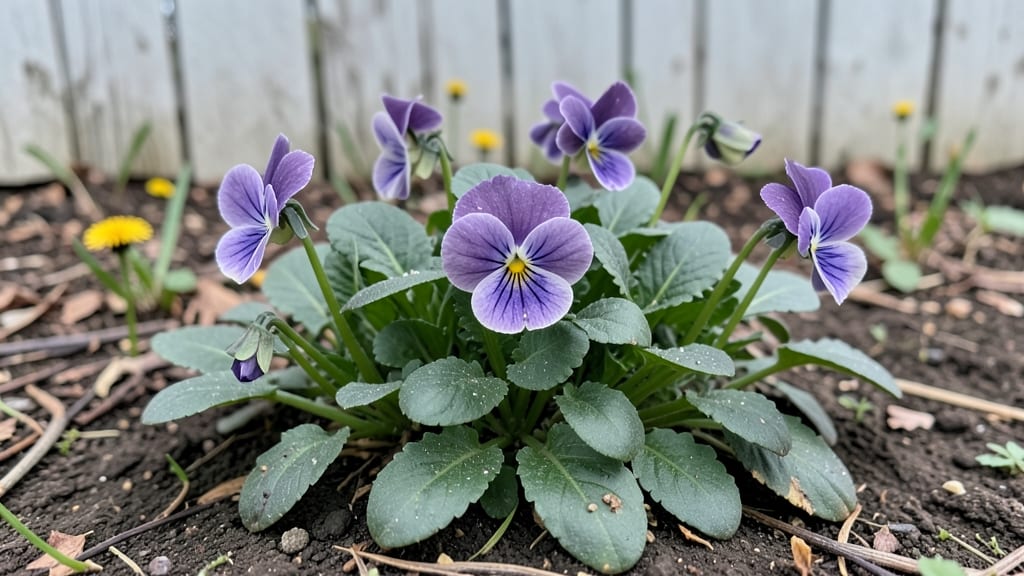
Perennial viola plants bring cheerful blooms from early spring through frost, and I’ve grown them for years without ever fussing over deadheading or fertilizing. These little powerhouses thrive in spots other flowers avoid—shady corners, rocky soil, even between sidewalk cracks—while still looking like they belong in a bouquet.
The key is understanding their simple needs: cool roots, consistent moisture, and a spot where they won’t get trampled.
You’ll need well-draining soil (they hate soggy feet) and partial shade to full sun, depending on your climate. Most gardeners plant them in fall for winter color or early spring for instant blooms, but I’ve had them pop up reliably even when self-seeding.
Start with nursery starts or divide established clumps in early spring—they spread quickly but stay contained in borders or containers. The real magic happens when they naturalize, creating a carpet of tiny flowers that hummingbirds adore.
By summer, you’ll have a lush ground cover that suppresses weeds while providing nectar for pollinators. The blooms—purple, yellow, or white—stay fresh longer than annuals, and the foliage remains tidy without pruning.
Even in drought years, my violas bounce back with new growth, proving they’re the ultimate low-maintenance star for borders, rock gardens, or edible flower arrangements. The only challenge? Resisting the urge to pick every bloom (though they’re perfectly safe to eat).
Works in every USDA zone from 3 to 9, whether tucked into shady beds or spilling over container edges. Once established, they’ll outperform annuals year after year with almost no effort. Here’s how to get them thriving in your garden without the usual plant drama.
📚 In This Guide
- What you need
- Instructions
- Tips and common mistakes
- Wrapping up and next steps
What you need
- ● Perennial Viola Plants: 3–5 plants (choose varieties like Viola odorata or Viola sororia for best results).
- ● Well-draining potting mix: 1–2 bags (10–15 lbs each) for containers or garden beds.
- ● Organic compost: 1 bag (5–10 lbs) to enrich soil.
- ● Slow-release fertilizer: 1 lb (10-10-10 or 5-10-5 NPK ratio).
- ● Mulch: 1–2 bags (straw or shredded bark for moisture retention).
- ● Garden trowel: 1 (for planting and soil prep).
- ● Gloves: 1 pair (gardening gloves for comfort).
- ● Watering can or hose: 1 (with a gentle spray nozzle).
- ● Pruners: 1 pair (for trimming spent blooms).
- ○ Optional: Container pots (6–8 inches deep) for patio gardening.
- ● Soil pH tester (to ensure slightly acidic to neutral soil, pH 6.0–7.0).
- ● Shade cloth (for hot climates, 30–50% coverage).
- ● A spot with partial shade (2–4 hours of morning sun).
- ● Soil that’s moist but well-draining (amend heavy clay with compost).
- ● Protection from strong winds (violas are delicate!).
Instructions for planting and caring for perennial Viola plants
Here's how to establish these cheerful flowers for lasting color with minimal effort.
Choose the Perfect Planting Location
Violas thrive in partial shade—think 4-6 hours of morning sun followed by afternoon shade. They tolerate light shade all day but will fade in full sun during hot afternoons. I always plant mine where they'll get dappled sunlight through trees or on the north side of structures. This protects their delicate blooms from scorching while ensuring enough light for continuous flowering.
Test your spot by observing how sunlight moves across it throughout the day. If the area stays dry and hot by mid-afternoon, move your planting location 2-3 feet closer to shade. The soil should drain well but retain moisture—violas despise soggy roots. Amend heavy clay with 2 inches of compost before planting to improve drainage.
Prepare Soil and Plant at the Right Depth
Violas prefer fertile, well-draining soil with a slightly acidic to neutral pH (6.0-7.0). Work 2 inches of compost into the top 6 inches of soil at least 2 weeks before planting. This gives beneficial microbes time to break it down. If your soil is sandy, add 1 inch of peat moss to help retain moisture.
Dig holes twice as wide as the root ball but only as deep as the container's base. Viola roots are shallow, so planting too deep smothers them. Gently remove each plant from its container, loosen the roots if they're circling, and place it in the hole. The top of the root ball should sit just below soil level—never buried deeper than it was in the container.
Water and Mulch for Consistent Moisture
Water deeply right after planting to settle the soil around roots. Use 1 gallon of water per plant to ensure moisture reaches 6 inches deep. After watering, the soil should feel damp but not soggy—violas need consistent moisture but won't tolerate waterlogged conditions. I always water in the early morning to reduce evaporation and fungal risks.
Spread 2 inches of mulch (like shredded bark or straw) around each plant, keeping it 2 inches away from stems to prevent rot. Mulch helps maintain even soil moisture and suppresses weeds, which compete for nutrients. Replenish mulch as it breaks down, usually once or twice a season. This simple step cuts watering needs by 30% while keeping blooms vibrant.
Maintain for Continuous Blooms
Violas bloom best when deadheaded regularly—simply pinch off spent flowers with your fingers or snip with clean scissors. This encourages nonstop flowering from early spring through fall. I make it a habit to check plants once a week and remove any faded blooms. If you wait too long, the plant shifts energy to seed production instead of new flowers.
Fertilize lightly in early spring with a balanced 10-10-10 fertilizer at half strength. Over-fertilizing leads to lush foliage but fewer blooms. After that, no additional feeding is needed—violas are naturally low-maintenance. If leaves yellow between blooms, it's a sign of iron deficiency, which responds well to a chelated iron supplement applied according to package instructions.
Tips & tricks for perfect perennial Viola planting
These simple strategies will help your violas thrive and bloom beautifully with minimal effort.
Lighting Strategy: The 4-6 hours of morning sun mentioned in Step 1 is ideal, but if your garden gets intense afternoon sun, consider using sheer fabric shade cloths during peak heat hours. I've found that even a 30% shade cloth can make all the difference in preserving those delicate blooms while still allowing enough light for continuous flowering.
Soil Preparation Insight: When amending heavy clay soil with 2 inches of compost as suggested in Step 1, I recommend mixing in a handful of perlite or coarse sand to improve drainage further. This helps prevent the soggy roots violas despise, especially in rainy climates. The key is creating that perfect balance between moisture retention and drainage.
Planting Depth Reminder: The instructions emphasize planting violas just below soil level, and this can't be stressed enough. I've seen many gardeners bury the plants too deep, which leads to root suffocation. If you're unsure, use the container's base as your guide—when the root ball sits at the same level as it did in the pot, you're golden.
Watering Wisdom: After planting, the 1 gallon of water per plant is crucial, but I've learned that watering deeply once a week is often better than light watering daily. This encourages roots to grow deeper in search of moisture, creating a more resilient plant. Just make sure to check the soil is damp but not soggy before watering again.
Pro Tips for Perennial Viola Plants
- These simple strategies will help your violas thrive and bloom beautifully with minimal effort.
- Lighting Strategy: The 4-6 hours of morning sun mentioned in Step 1 is ideal, but if your garden gets intense afternoon sun, consider using sheer fabric shade cloths during peak heat hours.
- Soil Preparation Insight: When amending heavy clay soil with 2 inches of compost as suggested in Step 1, I recommend mixing in a handful of perlite or coarse sand to improve drainage further.
Frequently asked questions
How do I keep my violas blooming all year?
Violas thrive in cool weather and often take a summer break when temperatures rise. To encourage year-round blooms, plant them in partial shade during hot months, mulch to retain moisture, and fertilize lightly with a balanced formula (like 10-10-10) every 6–8 weeks. Deadheading spent blooms also prompts new flowers!
When is the best time to plant perennial violas?
Violas are hardy perennials, so you can plant them in early spring (after the last frost) or late summer/fall for a head start. Fall planting is ideal—they’ll establish roots before winter and burst into early spring color. Just avoid planting in extreme heat or frost.
Are violas deer- or rabbit-resistant?
While violas are less appealing to deer and rabbits than many other flowers, they’re not completely immune. For extra protection, try these tricks:
- Plant violas near deer-resistant companions like lavender, rosemary, or allium.
- Use physical barriers (like chicken wire) around new seedlings.
- Apply organic repellents (e.g., garlic spray) if pests are persistent.
Can I grow violas in containers?
Violas are perfect for containers—just choose pots with drainage holes and use a well-draining potting mix. A 12–14" container works well for 3–5 plants. Place them in morning sun + afternoon shade and water when the top inch of soil feels dry. Pro tip: Add a slow-release fertilizer at planting time for a nutrient boost!
Why are my viola leaves turning yellow?
Yellowing leaves usually signal overwatering, poor drainage, or nutrient deficiencies. Check these fixes:
- Watering: Let soil dry slightly between waterings; violas hate soggy roots.
- Drainage: Amend heavy soil with compost or perlite.
- Nutrients: Feed with a balanced liquid fertilizer (like fish emulsion) if yellowing persists.
If only lower leaves yellow, it’s likely natural aging—prune them to keep plants tidy!
What’s the difference between violas and pansies?
Violas and pansies (Viola × wittrockiana) are cousins but have key differences:
Trait Violas Pansies Size Smaller (1–2" flowers) Larger (2–3" flowers) Hardiness Perennial in many climates Often annual (dies in heat) Bloom Time Spring–fall (some winter) Spring–early summer
Violas are the low-maintenance choice for year-round color!
Wrapping up and next steps
Perennial viola plants are the effortless superstars of the garden—packing vibrant color into every season with minimal care. Whether you’re a seasoned gardener or just starting, their hardiness and versatility make them a must-have for low-maintenance beauty. 🌸
Ready to transform your space? Start small—plant a few violas in containers or along borders, then expand as you fall in love with their charm. Watch your garden bloom with joy (and zero fuss) all year round!