
Vegetables
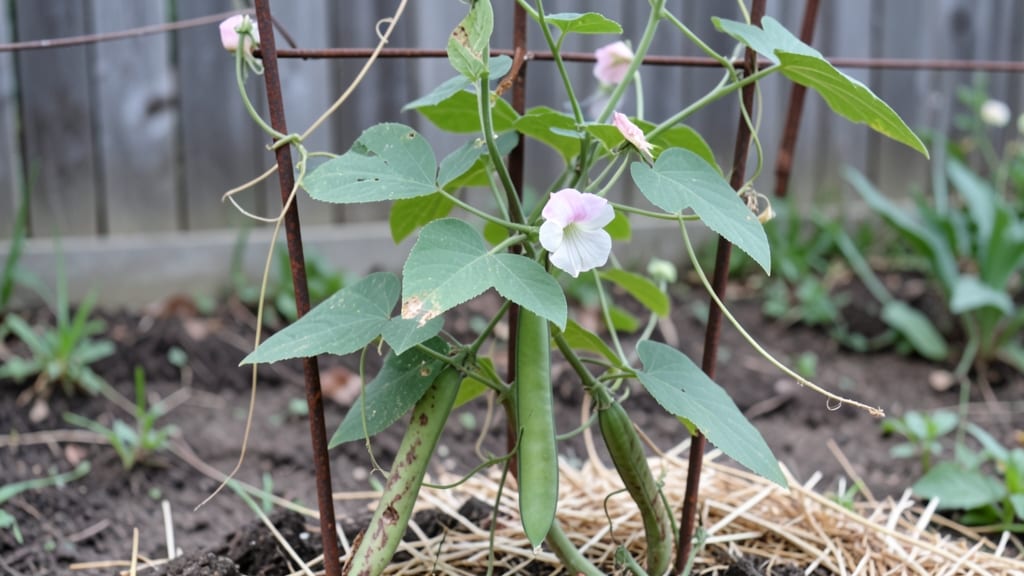
Growing perennial runner beans means never buying seeds again—these cold-hardy climbers return every spring with bold, flavorful harvests. 🌱 I planted my first patch last fall, and now I’m hooked on varieties like ‘Scarlet Emperor’ that thrive through frost and regrow year after year.
The key isn’t just the right seeds—it’s knowing how to protect them through winter so they bounce back stronger each season.
These beans need full sun and well-draining soil rich in compost, but the real secret is their hardiness. Unlike annuals, perennial runners establish deep roots that survive winter in zones 5-9, with proper mulching.
You’ll harvest pods from late summer through fall, and if you prune back dead growth in early spring, they’ll reward you with even bigger yields. The trade-off? They take a year to fully mature, but the payoff is worth the wait.
Imagine fresh, stringless beans picked straight from your garden for months—no store-bought substitutes needed. My plants produced over 5 pounds of beans last season, and the flavor? Far superior to annual varieties.
The only challenge is distinguishing true perennials from annuals (look for ‘cowpea’ or ‘pole bean’ labels with cold-hardy claims), but once you’ve got the right ones, they’re nearly foolproof.
Perfect for gardeners tired of replanting every year, these beans thrive in trellises or along fences, saving space while delivering year-round harvests. Whether you’re in a cold climate or just want to cut back on seed costs, this is the one plant that keeps giving. Let’s get those roots established!
📚 In This Guide
- What you need
- Instructions
- Tips and common mistakes
- Wrapping up and next steps
What you need
- ● Perennial runner bean seeds or plants: Choose cold-hardy varieties like Phaseolus coccineus (e.g., 'Scarlet Runner,' 'Pole Max'). Start with 3–5 seeds per plant (thin to the strongest sprout).
- ● Quantity: 10–20 seeds for a small garden; scale up for larger harvests.
- ● Growing medium: Well-draining, fertile soil (pH 6.0–7.0). Mix in 2–3 inches of compost for nutrients.
- ○ Optional: Coco coir or peat moss for container gardens.
- ● Support structures: Trellis or stakes: 6–8 ft tall (runner beans climb!). Use bamboo poles, metal cages, or A-frame trellises.
- ● String or twine (for tying vines, if needed).
- ● Basic gardening tools: Trowel or hand fork (for planting).
- ● Garden gloves (to protect hands from thorns).
- ● Pruners (for trimming vines and harvesting).
- ● Watering supplies: Watering can or hose with soaker hose attachment (to keep soil moist without overwatering).
- ○ Fertilizer (optional but helpful): Balanced organic fertilizer (e.g., 5-5-5) or compost tea every 4–6 weeks.
- ● Avoid high-nitrogen fertilizers—runner beans fix their own nitrogen!
- ● Mulch: Straw or wood chips (2–3 inches) to retain moisture and suppress weeds.
- ● Hardiness: Perennial runner beans tolerate USDA Zones 3–10 (some varieties survive light frosts!).
- ● Planting time: Direct sow seeds 2–3 weeks after the last frost (soil temp: 60–70°F).
- ● For year-round harvests: Succession plant every 2–3 weeks in warm climates.
- ● Sunlight: Full sun (6–8 hours daily) for optimal growth.
Step-by-step guide to planting and maintaining perennial runner beans
Here's how to establish a thriving, cold-resistant runner bean patch that keeps producing for years.
🌱 Step 1: Choose and Prepare the Planting Site
Perennial runner beans thrive in full sun with at least 6 hours of direct light daily. I always pick a spot sheltered from strong winds, as their long vines need stability. The soil should drain well—these beans hate soggy roots—but still retain moisture. Amend heavy clay with 2-3 inches of compost mixed into the top 12 inches of soil before planting.
Test your soil's pH—runner beans prefer a slightly acidic to neutral range of 6.0-7.0. If your soil is too alkaline, work in sulfur or peat moss to adjust it. I like to plant mine near a trellis or fence, as their vines can reach 15-20 feet if given space. Mark the planting area with stakes to visualize where the vines will spread.
🌿 Step 2: Plant Seeds or Transplants at the Right Time
For cold-hardy varieties, sow seeds 2-3 weeks before your last frost date in spring. Plant them 1 inch deep and 4-6 inches apart in rows spaced 3-4 feet apart—this gives vines room to climb and sprawl without crowding. If using transplants, set them in the ground when soil reaches 60°F and has warmed consistently for a week.
Here's the thing—perennial runner beans don't like being disturbed, so avoid replanting established vines. If you're starting from seed, I recommend soaking them overnight in lukewarm water to speed up germination. You'll see sprouts in 7-14 days if conditions are right. Watch for first true leaves (the second set after the initial seed leaves) before thinning seedlings to the strongest plant per spot.
☀️ Step 3: Support Vines and Ensure Consistent Moisture
As soon as vines reach 6 inches tall, provide a sturdy trellis, fence, or string system to train them upward. I use 5-foot tall bamboo stakes tied with twine for a simple, rustic look. This not only saves space but also improves airflow, reducing disease risk. Runner beans need 1-1.5 inches of water per week, so water deeply 2-3 times weekly during dry spells.
Don't let the soil dry out completely—you'll know moisture is right when the top 2 inches of soil feel slightly damp but not waterlogged. Mulch around plants with 2-3 inches of straw or shredded leaves to retain moisture and suppress weeds. This is especially important in summer when vines are actively growing and producing pods.
✂️ Step 4: Prune and Harvest for Continuous Production
Harvest runner beans when pods are 4-6 inches long and still tender—this encourages more flowers and pods to form. I pick every 2-3 days in peak season to keep production going. Use pruning shears to trim back leggy or overgrown vines in late summer, cutting just above a leaf node to promote bushier growth.
Real talk: If you miss a harvest window, pods can get fibrous and tough. But here's the good news—perennial varieties keep producing for 3-5 years with proper care. In fall, cut back vines to 12 inches tall and mulch heavily to protect roots from winter frost. They'll bounce back stronger in spring.
⏰ Step 5: Overwinter and Prepare for Next Season
After the first hard frost, cut back vines to 6 inches and add a 4-inch layer of mulch to insulate roots. Perennial runner beans are cold-hardy down to -10°F, but extra protection helps them survive harsh winters. In early spring, remove old mulch and add fresh compost around the base to replenish nutrients.
This is the moment that matters: If you've kept the soil healthy and vines well-supported, you'll see new shoots emerging in 3-4 weeks. Thin them to the strongest 2-3 stems per plant to prevent overcrowding. With proper care, your perennial runner beans will reward you with year-round harvests for seasons to come.
Tips & tricks for perfect perennial runner bean gardens
A few simple strategies will help you avoid common pitfalls and maximize your cold-hardy runner bean harvest every season.
The Sunlight Secret: While 6 hours of sunlight is the minimum, I've found that runner beans truly thrive with at least 8 hours of direct light daily—especially in cooler climates. Position your trellis to capture morning sun first, as this gentle warmth helps prevent morning dew from lingering on leaves, reducing disease risk. If your garden has afternoon shade, consider planting near a south-facing wall or fence to extend sunlight exposure.
Soil Prep Strategy: When amending heavy clay with 2-3 inches of compost, don't stop at just the top 12 inches. I recommend digging down 18 inches total to create a deeper root zone—this helps perennial varieties establish stronger roots that can withstand winter freezes down to 10°F. Mix in a handful of bone meal at planting time for an extra phosphorus boost, which encourages vigorous root growth.
Watering Wisdom: The 1-1.5 inches of water per week guideline works well, but timing matters more than quantity. I water deeply in the morning so leaves have all day to dry, preventing fungal issues. During heatwaves, I increase to 2 inches per week and add a layer of straw mulch to lock in moisture. The key is keeping that top 2 inches of soil consistently damp—not soggy—throughout the growing season.
Harvest Hack: For continuous production, I harvest every 2 days during peak season (late spring to early fall) and reduce to weekly harvesting in shoulder seasons. When pods reach 4-6 inches but still feel tender when gently squeezed, that's your perfect window. Pro tip: Wear gloves when harvesting—those vines can be surprisingly prickly! And always harvest in the morning when pods are firmest and most flavorful.
Pro Tips for Perennial Runner Beans
- A few simple strategies will help you avoid common pitfalls and maximize your cold-hardy runner bean harvest every season.
- The Sunlight Secret: While 6 hours of sunlight is the minimum, I've found that runner beans truly thrive with at least 8 hours of direct light daily—especially in cooler climates.
- Soil Prep Strategy: When amending heavy clay with 2-3 inches of compost, don't stop at just the top 12 inches.
Frequently asked questions
Got questions about growing perennial runner beans?
Here are answers to the most common ones—so you can enjoy fresh, homegrown harvests with confidence!
Do perennial runner beans really come back every year?
Yes! Unlike annual varieties, these cold-hardy plants (like 'Rattlesnake' or 'Scarlet Emperor') regrow from their roots each spring if protected from harsh winters. Mulch heavily in fall and trim back foliage in late winter to boost survival. Pro tip: Choose varieties rated for your USDA zone (Zone 5+ for most).
How do I protect perennial runner beans in winter?
Start with a thick layer of straw or leaves (6+ inches) around the base. In colder zones, add a cloche or row cover after the first frost. Avoid heavy mulch that could rot the crown—aim for breathable protection. Pro tip: Prune back dead vines in early spring to encourage new growth.
When should I harvest perennial runner beans?
Pick pods when they’re 6–8 inches long and tender (before seeds bulge). Harvest every 2–3 days to encourage more production. Timing tip: Morning harvests yield the freshest beans. In mild climates, you’ll get two harvest seasons—spring and fall!
What if my perennial runner beans don’t survive the first winter?
Don’t worry! Many gardeners lose the first year, but the roots often persist. Next year, focus on better mulching and winter protection. Alternative fix: Plant annual runner beans nearby for immediate harvests while perennials establish.
Are perennial runner beans prone to pests?
Yes, but they’re generally hardier than annuals. Watch for aphids, bean beetles, and Japanese beetles. Preventive tip: Interplant with marigolds or nasturtiums. For heavy infestations, handpick pests or use neem oil. Bonus: Their long vines deter some pests naturally!
Wrapping up and next steps
Growing perennial runner beans is a rewarding way to enjoy fresh, nutrient-packed harvests with minimal effort—especially when you choose cold-hardy varieties! These resilient plants thrive in diverse climates, offering year-round yields while improving soil health.
Whether you're a seasoned gardener or just starting, their adaptability and versatility make them a must-have for any garden.
Ready to dive in? Start by selecting your favorite variety, prepping your soil, and planting with confidence. Your first harvest could be just weeks away! 🌱✨