
Shrubs
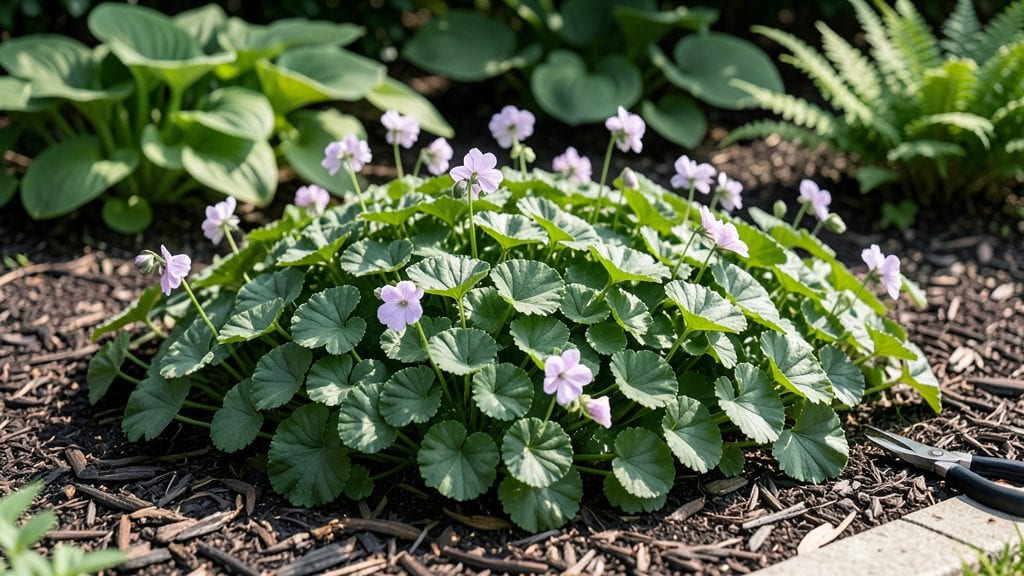
Perennial geraniums for shade are the unsung heroes of low-light gardens—they bring lush, velvety foliage where most plants give up. 🌿 I’ve grown them in my woodland garden for years, and the right varieties thrive where hostas and ferns struggle.
The key? Matching the right geranium to your shade level and giving it just enough light to shine.
Start with shade-tolerant types like Geranium macrorrhizum (creeping geranium) or Geranium phaeum (dusky geranium), both of which handle partial to full shade. Amend your soil with compost to improve drainage—these plants hate soggy roots—and space them 12–18 inches apart to prevent overcrowding.
Water consistently but avoid wet foliage, which invites fungal issues.
By midsummer, you’ll see those deep purple, silver, or bronze leaves spreading like a living carpet. Prune leggy stems in early spring to encourage bushier growth, and deadhead spent blooms to keep flowers coming. The best part? These geraniums multiply over time, filling gaps naturally and outcompeting weeds.
Perfect for under trees, along north-facing walls, or in woodland gardens where sunlight is scarce. Once established, they’re nearly maintenance-free—just watch for slugs in damp shade and a quick spray of neem oil if leaf spot appears. Let’s get yours growing!
📚 In This Guide
- What you need
- Instructions
- Tips and common mistakes
- Wrapping up and next steps
What you need
- ● Perennial geranium plants: 1–3 shade-tolerant varieties (e.g., Geranium macrorrhizum or Geranium renardii). Check labels for "part shade" or "full shade" suitability.
- ● Well-draining potting mix or garden soil: For containers: 1–2 gallons per plant of a mix with 30–40% perlite or compost to improve drainage.
- ● For in-ground planting: Amend soil with 2–3 inches of compost or peat moss if clay-heavy.
- ○ Containers (optional but helpful): Fabric grow bags or pots with drainage holes, 10–12 inches in diameter for each plant.
- ● Basic gardening tools: Trowel or hand shovel
- ● Garden gloves (for comfort and protection)
- ● Pruners (for trimming dead foliage)
- ● Mulch: 2–3 inches of shredded bark or pine needles to retain moisture and suppress weeds.
- ● Slow-release fertilizer: A balanced 10-10-10 or orgainc 5-5-5 to feed plants gradually.
- ● Shade cloth (if needed): 30–50% coverage for areas with partial shade but occasional sun.
- ● Watering can or hose with a gentle spray nozzle (for delicate watering).
Step-by-Step guide to planting and cultivating perennial geraniums in shade
Here’s how to establish hardy perennial geraniums that thrive where others struggle.
🌱 Step 1: Select and Prepare the Planting Site
Perennial geraniums for shade prefer partial to full shade—think 3-6 hours of dappled sunlight at most. Test your spot by observing how sunlight moves through trees or buildings during the day. The ideal location stays cool and moist but never waterlogged. If your soil drains poorly, amend it with 2-3 inches of organic compost mixed into the top 12 inches of soil.
Dig a hole twice as wide as the root ball but only as deep as the container’s base. Loosen the sides of the hole with your hands or a trowel to encourage root spread. Here’s the thing—never plant deeper than the root flare (where roots meet stem). If your soil feels compacted, break it up further with a fork to improve aeration.
🪴 Step 2: Plant and Mulch for Moisture Retention
Gently remove the perennial geranium from its container and tease apart any circled or tangled roots with your fingers. Place the plant in the hole so the top of the root ball sits level with the surrounding soil. Backfill with native soil, pressing lightly to eliminate air pockets. Water deeply to settle the soil around the roots—aim for 1 gallon per plant to encourage root expansion.
Spread 2-3 inches of mulch (like shredded bark or leaf mold) over the soil surface, keeping it 2 inches away from the stem to prevent rot. Mulch mimics the forest floor these plants naturally inhabit, retaining moisture and suppressing weeds. I like to use dark brown mulch because it warms slightly in sunlight, which helps in cooler climates.
☀️ Step 3: Water and Monitor for Early Growth
For the first 2-3 weeks, water your perennial geraniums every 2-3 days until the top 2 inches of soil feel moist (not soggy). Shade-loving varieties are sensitive to drought stress, so consistency is key. You’ll notice new growth as deep green, rounded leaves emerge from the center—this is your cue that roots are establishing.
Adjust watering as the season progresses. Once established, these plants tolerate occasional dry spells, but wilting leaves mean it’s time to water again. Avoid overhead watering after planting—direct streams can dislodge soil and expose roots. Instead, use a soaker hose or drip irrigation at the base.
🌿 Step 4: Fertilize and Prune for Long-Term Health
In early spring, apply a balanced, slow-release fertilizer (like 10-10-10) at half the recommended rate. Shade geraniums don’t need heavy feeding, but a light boost encourages vibrant foliage and blooms. Work the granules into the top 2 inches of soil and water thoroughly to activate them.
After flowering (usually late summer), cut back spent blooms to 2-3 inches above the ground to redirect energy into root growth for next season. This also prevents seed production, which can weaken the plant. I prune mine with clean, sharp shears—dull blades tear stems and invite disease.
⏰ Step 5: Winter Care for Perennial Longevity
In fall, reduce watering as temperatures drop below 50°F. Perennial geraniums are hardy but benefit from a light layer of mulch (up to 4 inches) to insulate roots during frost. Choose straw or pine needles—they decompose slowly and won’t mat down like leaves.
In USDA Zones 5-7, you may need to protect plants with burlap wraps during extreme cold snaps. Check for dry, crispy foliage in early spring—this is normal and signals the plant is dormant. Once new shoots appear (usually late April or May), remove old growth and resume regular care.
Tips & tricks for perfect perennial Geranium planting in shade
These essential insights will help you establish thriving shade geraniums that outperform expectations in low-light conditions.
Soil Preparation Secret: When amending your soil with 2-3 inches of organic compost in Step 1, focus on improving drainage rather than fertility—shade geraniums prefer leaner conditions. I've found that mixing in perlite or coarse sand (about 10% of the compost volume) prevents waterlogging while maintaining moisture retention. This mimics their natural woodland habitat where roots stay consistently damp but never soggy.
Planting Depth Caution: Never bury the root flare (where roots meet stem) in Step 2—this is the most critical mistake I see. The top of the root ball should sit level with the surrounding soil. If you plant too deep, the plant suffocates; too shallow and it topples. I use a small wooden stake as a reference marker during planting to ensure perfect alignment.
Mulching Strategy: The 2-3 inches of mulch in Step 2 serves three purposes: moisture retention, weed suppression, and temperature regulation. For cooler climates, I opt for dark brown mulch that warms slightly in sunlight, while in hotter zones, lighter-colored mulch helps reflect excess heat. Always keep mulch 2 inches away from the stem to prevent rot—this is non-negotiable.
Watering Precision: During the critical 2-3 week establishment period in Step 3, consistency matters more than schedule. I check soil moisture by inserting my finger 2 inches deep—if it feels dry, water thoroughly. The goal is to keep roots moist but never waterlogged. A soaker hose delivers water directly to the root zone without disturbing the soil, which is especially important for newly planted shade geraniums.
Pro Tips for Perennial Geranium For Shade
- These essential insights will help you establish thriving shade geraniums that outperform expectations in low-light conditions.
- Soil Preparation Secret: When amending your soil with 2-3 inches of organic compost in Step 1, focus on improving drainage rather than fertility—shade geraniums prefer leaner conditions.
- Planting Depth Caution: Never bury the root flare (where roots meet stem) in Step 2—this is the most critical mistake I see.
Frequently asked questions
Got questions about growing perennial geraniums in shade? You’re not alone! Here are some of the most common concerns—and their solutions—to help you cultivate a lush, low-light garden with confidence.
Can perennial geraniums really thrive in full shade?
Most traditional geraniums (Pelargonium) need bright light, but shade-tolerant perennial geraniums (like Geranium macrorrhizum or Geranium renardii) can handle partial to full shade. Look for cultivars labeled "shade-tolerant" or "woodland geraniums." These varieties often have darker foliage and smaller blooms but still deliver stunning texture and color.
When is the best time to plant perennial geraniums for shade?
The ideal planting window is early spring or early fall—when soil is workable but not scorching. Avoid planting in mid-summer heat, as the shock can stress roots. If you’re dividing existing plants, spring is best to give them time to establish before winter.
How often should I water shade-loving geraniums?
Shade geraniums prefer consistently moist (but not soggy) soil. Water 1–2 times per week, depending on rainfall, and more frequently in summer. Mulch around the base (2–3 inches) to retain moisture and protect roots. Yellowing leaves often signal overwatering, while crispy edges mean it’s thirsty!
What pests or diseases should I watch for in shade geraniums?
Shade geraniums are generally low-maintenance, but keep an eye out for:
- Slugs/snails: Raveling leaves? Use beer traps or organic slug bait.
- Powdery mildew: White dust on foliage? Improve airflow and avoid overhead watering.
- Spider mites: Tiny webs or speckled leaves? Spray with water or neem oil.
Are there alternatives to geraniums for shady spots?
If geraniums don’t quite fit your shade garden, try these low-light champions:
- Heuchera (Coral Bells): Bold foliage in purple, silver, or lime.
- Astilbe: Feathery plumes in pink, white, or red.
- Hosta: Classic shade plant with variegated leaves.
- Lamium (Dead Nettle): Trailing spikes of purple or white blooms.
Wrapping up and next steps
Growing perennial geraniums for shade is all about embracing the right variety, providing thoughtful care, and letting nature’s quiet beauty shine—even in low-light spots! 🌿 With the perfect mix of shade-tolerant species, well-draining soil, and a little patience, you’ll transform dull corners into lush, vibrant havens. Ready to dive in? Start by selecting your favorite shade-loving geraniums from local nurseries or reputable online sellers, then sketch a simple planting plan to visualize your garden’s new focal points. Your shaded garden’s transformation awaits—just a few plants and some tender love away!