
Tools
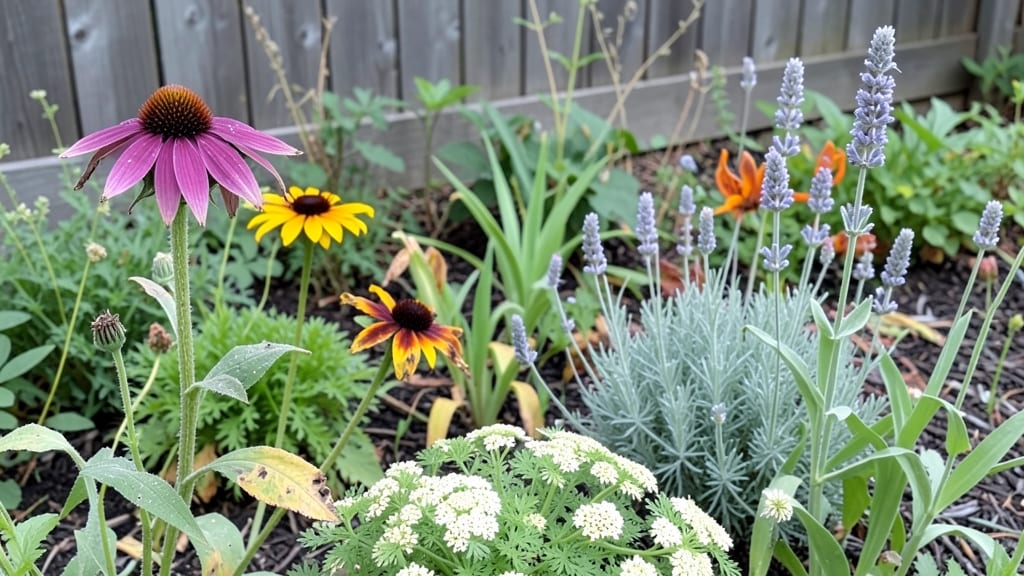
A perennial garden mix creates vibrant, long-lasting landscapes using tough native plants like coneflowers, black-eyed Susans, and sedum that bloom all season, support wildlife, and require almost no upkeep after the first year. Stick with plants adapted to your local climate for the best performance.
A perennial garden mix isn't just about pretty flowers—it's a living ecosystem that works for you. 🌿 These plants develop deep root systems that stabilize soil, outcompete weeds naturally, and even improve the earth over time by cycling nutrients back into the ground.
Unlike annuals that need replanting yearly, perennials build resilience each season, making them perfect for busy gardeners who want beauty without the constant work. Plus, their varied bloom times keep pollinators like bees and butterflies fed from spring through fall.
What makes this mix truly special is how it adapts to your local conditions. Native varieties already know how to handle your climate's quirks—whether it's drought, humidity, or freezing winters—so they thrive with less fuss.
I've seen firsthand how a well-chosen mix can transform a high-maintenance yard into a self-sustaining garden that just keeps giving year after year.
💡 In This Article
- How Perennial Mixes Support Pollinators and Soil Health
- Designing a Low-Maintenance Perennial Garden Layout
How perennial mixes support pollinators and soil health
Here's what actually happens when you plant a diverse perennial mix: those deep roots—often extending 3-6 feet underground—anchor the soil like a natural fence, reducing erosion from wind and rain by up to 70% compared to lawns.
The key factor is how these roots create a dense network that holds particles together while also drawing up nutrients from deeper layers. 🌱 Unlike annuals that die back each winter, perennials continue building this infrastructure year after year, making the soil more fertile over time.
Let's talk about pollinators—they're the real beneficiaries of this system. A well-designed mix provides continuous nectar sources from early spring (like bleeding hearts) through late fall (like asters), giving bees and butterflies a 12-month buffet instead of the feast-or-famine cycle of annual gardens.
For example, coneflowers produce 300-400 seeds per head that feed birds, while their purple petals guide bees with ultraviolet patterns invisible to us. The diversity is crucial—studies show gardens with 10+ plant species support 30% more pollinator species than monoculture plots.
What most people don't realize is how perennials outperform annuals in nutrient cycling. Annuals extract nutrients quickly and leave depleted soil, while perennials like yarrow and Russian sage have mycorrhizal fungi partnerships that break down organic matter into usable forms.
Their fallen leaves and stems become slow-release fertilizer, adding 2-3 times more organic matter to the soil annually than annuals. This natural composting reduces the need for synthetic amendments while improving water retention—critical during droughts.
The pest-repelling magic comes from companion planting science. For instance, marigolds release alpha-terthienyl, a compound that deters nematodes, while lavender's strong scent masks crops from pests.
The varied growth habits create microclimates that disrupt insect life cycles. 🌿 Unlike chemical solutions, this approach builds ecosystem resilience—predatory insects like ladybugs thrive in diverse gardens, naturally controlling pests without harming beneficial species.
Consider these key differences in nutrient cycling between perennials and annuals:
- Root depth: Perennials reach 3-6 feet vs. annuals' 1-2 feet, accessing deeper water and minerals
- Organic matter: Perennials add 1.5-3 tons/acre/year vs. annuals' 0.5-1 ton/acre/year
- Soil structure: Perennial roots create 50% more pore space for water and air movement
- Nutrient retention: Perennials recycle 80%+ of nutrients internally vs. annuals' 30-50%
This ecosystem approach explains why professional landscapes use 70% perennials on average—they're not just pretty, they're working gardens that get better with age.
The initial investment in establishing a diverse mix pays dividends in both beauty and ecological function, creating a self-sustaining system that requires less water, fewer chemicals, and almost no replanting. 💫