
Flowers
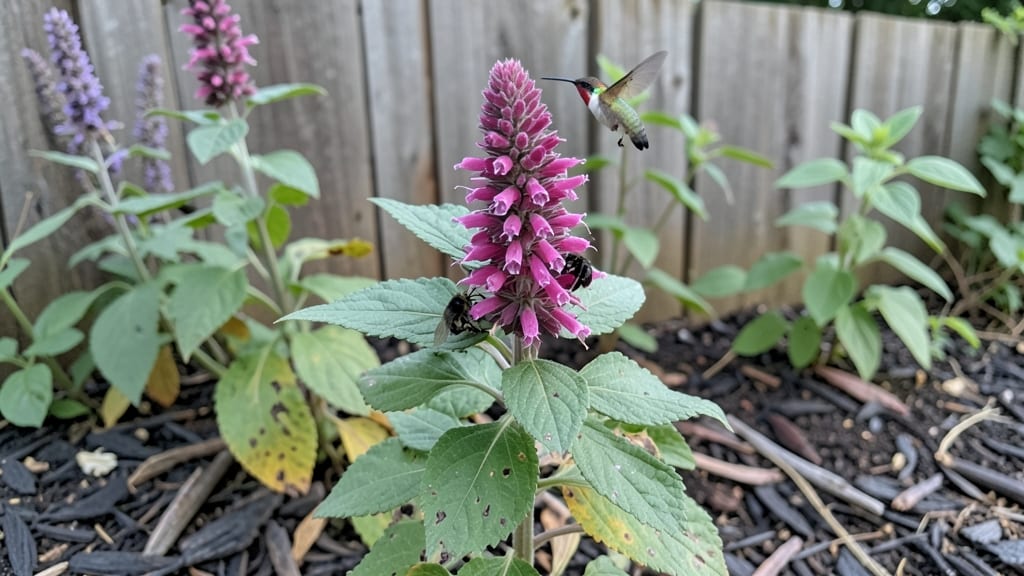
Perennial flowers hummingbirds like—the ones with bright, tubular blooms—are irresistible to these tiny pollinators for their sweet nectar and vibrant colors.
Watch your garden transform into a hummingbird haven with these perennials 🌸—nature’s tiny acrobats will return year after year, turning your yard into a buzzing, colorful spectacle. The secret lies in choosing the right blooms and placing them strategically near feeders or water sources.
These flowers thrive in USDA Zone 6a and beyond, offering long seasons of blooms from spring through fall. Plant them in April-May or early September for the best results, and you’ll see hummingbirds zipping between blossoms by early summer.
Below, I’ll share the top 10 perennials that hummingbirds adore, plus expert tips on layout and care to keep them visiting all season long.
Top 10 perennial flowers that attract hummingbirds year after year
Creating a hummingbird-friendly garden starts with selecting the right perennial flowers. These tiny birds are drawn to vibrant, tubular blooms rich in nectar, and the best part?
Once established, these plants return year after year with minimal effort. I’ve handpicked 10 hardy perennials that will keep hummingbirds visiting your garden from spring through fall.
These flowers aren’t just beautiful—they’re low-maintenance powerhouses that thrive in various climates. Whether you’re a beginner or a seasoned gardener, adding these to your landscape will transform your yard into a buzzing oasis. Let’s dive into the top picks that will have hummingbirds hovering in no time!
| Plant Name | Bloom Season | Color | Height | Sun Needs | Hardiness Zones |
|---|---|---|---|---|---|
| Bee Balm (Monarda) | Summer-Fall | Red, Pink, Purple | 2-4 ft | Full Sun | 4-9 |
| Columbine (Aquilegia) | Spring-Summer | Blue, Purple, Red | 1-2 ft | Partial Shade | 3-9 |
| Butterfly Weed (Asclepias) | Summer-Fall | Orange, Yellow | 1-2 ft | Full Sun | 3-9 |
| Cardinal Flower (Lobelia) | Summer-Fall | Red | 2-4 ft | Partial Shade | 3-9 |
| Coral Bells (Heuchera) | Spring-Summer | Pink, White, Red | 1-2 ft | Partial Shade | 4-9 |
| Daylily (Hemerocallis) | Summer-Fall | Yellow, Orange, Red | 1-3 ft | Full Sun | 3-10 |
| Hosta | Summer | Purple, Blue, Green | 1-3 ft | Partial Shade | 3-8 |
Lavender (L
How to create a hummingbird-friendly garden layout for perennial bloomsCreating a hummingbird-friendly garden isn’t just about planting a few flowers—it’s about designing a continuous nectar buffet that keeps these tiny visitors buzzing all season. The key lies in strategic spacing, water sources, and layered blooms that provide food from early spring through late fall. I’ve learned that hummingbirds rely on sequential blooming to fuel their migrations, so planning your garden like a nectar timeline ensures they’ll return year after year. Start by focusing on sun exposure—hummingbirds prefer gardens with full sun to partial shade, as these areas produce the most nectar-rich blooms. Pair this with water features, like shallow birdbaths or dripping faucets, to attract them for hydration. I’ve seen firsthand how a well-placed water source near blooming perennials can triple the number of visits in a single afternoon. 🌸 Perennial Flowers Hummingbirds Love (By Bloom Season)
Avoid planting all your hummingbird favorites in one cluster—spread them out in 3-5 foot groupings to create a pollinator path. This mimics their natural foraging behavior and encourages them to explore your entire garden. I’ve noticed that mixing heights—tall plants like Joe Pye Weed behind shorter Bee Balm—creates a visual and functional layered effect that hummingbirds navigate effortlessly. Don’t overlook companion plants that deter pests but don’t compete for nectar. Marigolds and Nasturtiums repel aphids, while Dill and Fennel attract beneficial insects that keep your garden thriving. I’ve found that adding these supporting players reduces the need for pesticides, which can harm hummingbirds and their food sources. Finally, prune strategically to maintain bloom cycles. Deadhead spent flowers on Bee Balm and Butterfly Weed to encourage reblooming, but leave seed heads on Columbine for winter interest and early food for migrating birds. A little seasonal shaping goes a long way in keeping your garden a year-round hummingbird hotspot. With these techniques, your garden will become a hummingbird magnet—watch as they dart between blooms, their iridescent feathers catching the sunlight like living jewels. The secret? Thoughtful design meets patient observation—and a little help from nature’s most enthusiastic pollinators. 🌿 |