
Planting
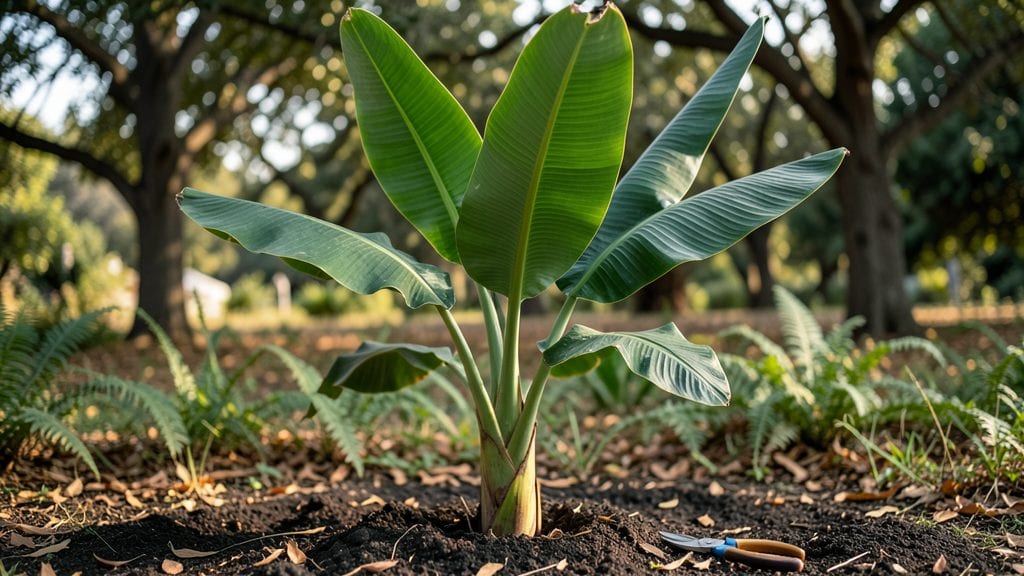
Growing a perennial banana plant in your yard means tropical-looking foliage that thrives year after year—no digging up and replanting every spring. ✨ I’ve watched mine grow from a single offset into a lush, 8-foot-tall statement plant that produces edible fruit and stunning leaves, even in Zone 7.
The key? Choosing the right variety and mimicking its natural tropical habitat without overcomplicating care.
These plants adore rich, well-draining soil mixed with compost and a spot where they get morning sun and afternoon shade—think of a sheltered corner near your patio or along a fence.
Watering is simple: keep the soil consistently moist but never soggy, especially during the first year while roots establish. A 5-gallon container works for small varieties, but larger types like Ensete ventricosum (false banana) need at least 10 feet of space to spread.
By late summer, you’ll see those dramatic, pleated leaves unfurl, followed by harvestable fruit in cooler climates or year-round in warmer zones. Even if you don’t eat the bananas, the plant’s bold architecture makes it a conversation piece.
The best part? It multiplies easily—just separate and replant the offsets in spring.
For colder regions, mulching heavily and wrapping the base in burlap over winter keeps the roots alive. I’ve seen these plants bounce back from 20-degree nights with proper protection. Whether you’re growing for fruit, foliage, or both, this plant delivers zero-fuss tropical drama that outshines annuals every season.
📚 In This Guide
- What you need
- Instructions
- Tips and common mistakes
- Wrapping up and next steps
What you need
- ● Banana plant (Musa spp.): Choose a cold-hardy variety like Musa acuminata ‘Dwarf Cavendish’ or Musa balbisiana hybrids (e.g., ‘Ice Cream’ or ‘Red Dwarf’). Buy a 1-2 year-old plant with 3-5 healthy pseudostems.
- ● Well-draining soil: Mix 60% topsoil, 30% compost, and 10% perlite or coarse sand to prevent root rot. Aim for a pH of 6.0–7.5.
- ● Sunlight access: A full-sun spot (6+ hours/day) or partial shade in hot climates (e.g., 4–6 hours of direct sun).
- ● Watering supplies: Hose with a gentle spray nozzle (for deep watering).
- ○ Drip irrigation system (optional but highly recommended for consistency).
- ● Fertilizer: Balanced fertilizer (10-10-10 or 20-20-20) for planting (1 cup per plant).
- ● Slow-release banana-specific fertilizer (e.g., 13-4-5) for monthly feedings (¼ cup per plant).
- ● Mulch: 3–4 inches of organic mulch (straw, wood chips, or pine needles) to retain moisture and regulate soil temp.
- ● Support stakes or trellis: 3–4 bamboo stakes (2–3 ft tall) or a lightweight trellis to secure heavy bunches.
- ● Pruning tools: Sharp pruning shears (for trimming dead leaves).
- ● Sterilized knife or saw (for harvesting or removing pseudostems).
- ● Cold protection: Burlap wraps or frost cloth for zones below USDA 9b (e.g., winter temps below 25°F).
- ● Soil test kit: To check nutrient levels and adjust fertilizer as needed.
- ● Compost tea: For a natural boost during flowering or fruiting stages.
- ● Pest deterrents: Neem oil spray (for aphids or spider mites).
- ● Yellow sticky traps (to catch banana weevils).
- ● Garden journal: To track watering, fertilizing, and harvest dates!
How to grow perennial banana plants for continuous harvests
Here's the straightforward approach I use to keep banana plants thriving year after year.
🌱 Step 1: Select and Prepare the Planting Site
Banana plants need rich, well-draining soil with a pH between 6.0 and 7.5. I always amend my native soil with 3 gallons of compost and 2 gallons of coarse sand to prevent waterlogging—banana roots rot quickly in soggy conditions. Choose a location with partial shade (morning sun and afternoon shade) to protect the leaves from scorching while still providing enough light for growth.
Dig a hole twice as wide as the root ball but only as deep as the container it came in. This encourages roots to spread horizontally rather than settling too deep, which can lead to instability. If planting in containers, use a 5-gallon pot with drainage holes—banana plants grow surprisingly large even in pots.
💧 Step 2: Plant and Water for Immediate Establishment
Place the plant in the hole and backfill with soil, pressing gently to remove air pockets. I always add a handful of slow-release fertilizer (10-10-10) to the bottom of the hole before planting—this gives the roots a nutrient boost right when they need it. Water deeply immediately after planting until the soil is saturated 12 inches down, then let it drain completely before watering again.
Watch for yellowing leaves in the first week—that’s normal as the plant adjusts. If the soil feels dry 1 inch below the surface, water again, but avoid keeping the soil constantly wet. Banana plants are tropical but hate waterlogged roots, so always ensure excess water drains away.
☀️ Step 3: Maintain Ideal Growing Conditions
Keep your banana plant in 60-85°F temperatures—they’re frost-sensitive, so bring potted plants indoors if temperatures drop below 50°F. I’ve found that mist spraying the leaves daily in dry climates helps mimic their humid tropical environment, but avoid wetting the pseudostem (the thick, false stem) to prevent rot.
Fertilize every 4-6 weeks with a balanced liquid fertilizer (like 20-20-20) diluted to half strength. You’ll see new leaves emerging within 2-3 weeks of fertilization—that’s your sign the plant is thriving. If growth slows, check for pests like aphids or mites on the undersides of leaves and treat with neem oil if needed.
✂️ Step 4: Prune and Harvest for Long-Term Productivity
Banana plants produce suckers (offshoots) at the base—these are your future plants. I remove all but one or two strongest suckers to focus the plant’s energy on fruit production. Use sterilized pruners to cut suckers at the base, leaving a 1-inch stump to prevent disease entry.
Harvest bananas when the fruit turns fully yellow with a few brown spots—this is the sweetest stage. Cut the bunch with clean shears, leaving a 2-inch stem attached. If your plant isn’t flowering, it may need more sunlight or a cool period (below 70°F at night) to trigger blooming.
Tips & tricks for perennial banana plant care
A few simple strategies that'll help your banana plants thrive with minimal fuss—and avoid the common pitfalls that send them into decline.
The Soil Secret: When amending your soil with 3 gallons of compost and 2 gallons of coarse sand, mix them thoroughly into the top 12 inches of soil, not just around the root ball. This creates a uniform moisture-retentive environment that prevents the classic banana root rot. I like to add a handful of perlite to the mix too—it improves drainage even more without altering the soil structure.
Watering Wisdom: The "saturated 12 inches down" guideline is critical, but don't rely on guesswork. Use a moisture meter to verify—banana roots need consistent moisture but will suffocate if waterlogged. In containers, check soil moisture by sticking your finger 1 inch below the surface; if it's dry, water slowly until it drains from the bottom. Overwatering is the #1 killer of banana plants.
Temperature Troubleshooting: The 60-85°F range is ideal, but here's what to watch for: If your plant starts drooping suddenly when temps drop below 50°F, it's already too late—banana leaves can't recover from frost damage. Move potted plants to a garage or covered porch before temperatures hit 55°F. For outdoor plants, consider a frost cloth if you're in a marginal climate. The nighttime 70°F trigger for flowering is why some tropical varieties need cooler evenings to bloom.
Pruning Precision: When removing suckers, focus on their size and position rather than just quantity. The strongest sucker is usually the one growing directly from the base at about a 45-degree angle. Leave this one plus one slightly smaller one—this two-sucker approach gives you insurance if one fails. Always sterilize your pruners with rubbing alcohol between cuts to prevent bacterial infections from entering through fresh wounds.
Pro Tips for Perennial Banana Plant
- A few simple strategies that'll help your banana plants thrive with minimal fuss—and avoid the common pitfalls that send them into decline.
- The Soil Secret: When amending your soil with 3 gallons of compost and 2 gallons of coarse sand, mix them thoroughly into the top 12 inches of soil, not just around the root ball.
- Watering Wisdom: The "saturated 12 inches down" guideline is critical, but don't rely on guesswork.
Frequently asked questions
Got questions about growing perennial banana plants? You’re not alone—these tropical gems are full of surprises! Here’s what curious gardeners ask most often:
Can perennial banana plants survive winter in colder climates?
Most perennial banana varieties (like Musa acuminata or Musa balbisiana hybrids) thrive in USDA zones 10–12. In cooler areas, grow them in containers and move them indoors or to a greenhouse when temps drop below 40°F. Mulch heavily and protect the pseudostem with burlap for extra insulation. Pro tip: Some cold-hardy cultivars (like Musa basjoo) can tolerate brief freezes—check local nurseries!
How long does it take for a perennial banana plant to bear fruit?
Patience is key! Under ideal conditions, perennial bananas may produce edible fruit in 18–24 months, but ornamental varieties (like Musa velutina) focus on foliage and may never fruit. Factors like sunlight, soil fertility, and temperature speed up the process. Tip: Feed with potassium-rich fertilizer (like banana peel tea!) to encourage flowering.
Are the bananas from perennial plants as tasty as grocery store ones?
Not always! Perennial bananas (especially ornamental types) often yield small, seedy, or bland fruit. For flavor, opt for Musa acuminata ‘Dwarf Cavendish’ or ‘Red Dwarf’—they’re sweeter but still less uniform than commercial varieties. Workaround: Use them for smoothies, baking, or cooking where texture matters less!
What pests or diseases should I watch for on perennial banana plants?
Banana plants attract aphids, spider mites, and banana weevils (the worst!). Yellowing leaves? Check for fungal diseases like Sigatoka (use copper fungicide). Prevention: Prune dead leaves, avoid overhead watering, and introduce ladybugs or neem oil. Emergency fix: Severe weevil infestations may require systemic insecticides.
Can I grow perennial bananas in containers? If so, what’s the best setup?
Containers work great for small spaces or cold climates. Use a 15–20 gallon pot with drainage holes, fill with well-draining potting mix (add perlite or coconut coir), and ensure it’s at least 2 feet wide for stability. Pro tip: Rotate the pot monthly for even sunlight exposure—bananas grow toward the light!
Wrapping up and next steps
Growing a perennial banana plant is a rewarding way to enjoy fresh, homegrown fruit with minimal effort—once you’ve got the hang of it! These hardy plants thrive in warm climates and can even survive light frosts with proper care, making them a fantastic low-maintenance addition to your garden.
Whether you’re a beginner or an experienced gardener, the key is patience, consistency, and a little creativity in protecting them during colder months.
Ready to take the next step? Start by selecting the right variety for your climate and soil, then give your banana plant the love it deserves. Before you know it, you’ll be harvesting your own sweet, tropical treats year after year! 🌱✨