
Flowers
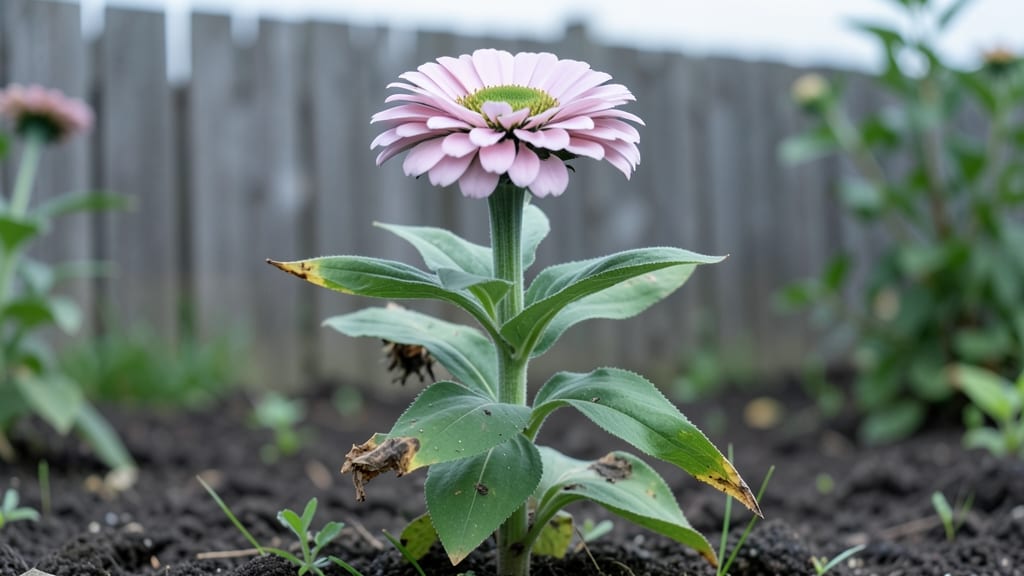
The opposite of perennial plants are annuals and biennials, which complete their life cycle in one or two growing seasons instead of returning year after year. Annuals sprout, bloom, and die within a single season, while biennials take two years to mature and reproduce. Examples include marigolds (annual) and carrots (biennial).
Annuals and biennials differ from perennials in their lifespan and growth patterns. Annuals thrive in a single growing season, offering quick color and texture to gardens before fading away—think zinnias or cosmos.
Biennials, like hollyhocks or snapdragons, store energy in their first year to bloom spectacularly in their second. 🌱 This distinction matters for gardeners planning seasonal displays or long-term landscapes, as perennials provide year-round structure while annuals and biennials deliver seasonal bursts of color and variety.
Understanding these differences helps you design gardens that balance both immediate impact and enduring beauty. For instance, pairing annuals like petunias with biennial foxgloves creates a dynamic, evolving landscape that changes with each season while keeping maintenance manageable.
💡 In This Article
- Life Cycle Differences Between Annuals, Biennials, and Perennials
- Best Annual and Biennial Plants for Gardens and Landscapes
Life cycle differences between annuals, biennials, and perennials
The key difference lies in how each plant allocates energy and resources. Annuals like marigolds (Tagetes) or basil follow a monocarpic strategy—devoting all energy to rapid growth, flowering, and seed production within 60-90 days.
Their life cycle is tightly linked to seasonal cues: cool-season annuals (e.g., lettuce) germinate in spring, bolt in summer, and die by fall, while warm-season annuals (e.g., zinnias) thrive in summer heat. This "live fast, die young" approach ensures seeds disperse before frost kills the parent plant.
Biennials like carrots or foxgloves employ a delayed reproductive strategy. During their first year, they focus on building storage roots (carrots) or leaf rosettes (foxgloves) while storing energy as starches in roots or sugars in stems.
Only when triggered by cold temperatures (vernalization) do they bolt, flower, and set seed in their second year. This two-phase growth explains why biennials often survive winter as dormant structures—carrots' taproots or foxgloves' basal leaves.
Perennials, in contrast, are polycarpic, investing in underground storage organs (rhizomes, tubers, or crowns) that persist through seasons. Take peony roots, which can live 50+ years while producing new shoots annually.
Their meristematic tissues (growth points) remain protected below ground, allowing regrowth even after above-ground parts die back. This explains why perennials like lavender or hostas return year after year with minimal care.
The biological mechanism behind these differences traces to resource allocation trade-offs. Annuals prioritize reproductive success over survival, while perennials favor longevity through energy conservation. Biennials represent a middle ground, using their first year to accumulate resources before flowering—a strategy that minimizes competition with established perennials.
For example, onion plants (biennial) store 30-50% of their energy in bulbs during year one, enabling robust flowering in year two.
Here's what this means for gardeners: Annuals provide instant color but require replanting yearly, while biennials offer delayed payoff with minimal maintenance. Perennials demand upfront establishment (often 2-3 years) but reward with decades of growth.
The choice depends on your timeline—annuals for seasonal displays, biennials for low-maintenance variety, and perennials for foundation planting. 🌿
One fascinating exception is short-lived perennials, like sweet woodruff (Galium odoratum), which live 3-5 years but die after flowering—a hybrid strategy between annuals and true perennials. This blurs the lines, showing how plant life cycles exist on a spectrum rather than strict categories.
Understanding these nuances helps explain why some "perennials" behave like annuals in harsh climates.