
Flowers
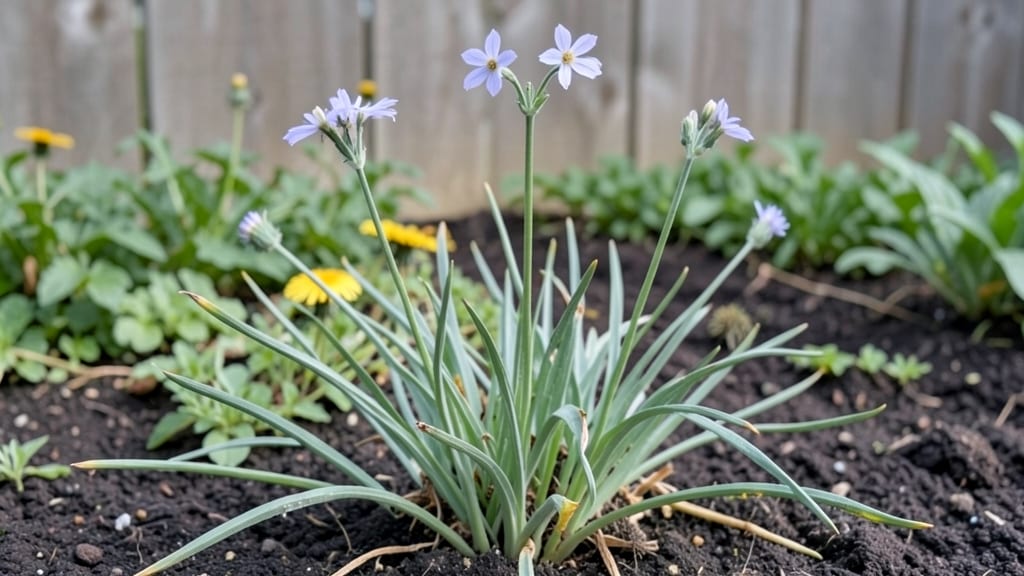
Mountain bluet perennials bring cheerful blue blooms to gardens with almost no effort. ✨ I planted mine last spring and now they self-seed everywhere—proof that this hardy little flower thrives when you let it.
The secret lies in its adaptability: it handles poor soil, drought, and even rocky slopes where nothing else grows.
These plants love full sun but tolerate partial shade, making them perfect for borders, slopes, or even containers. They’re tough enough for zones 3 through 8, so whether you’re in the mountains or a mild climate, they’ll keep blooming from late spring through summer.
Just give them well-draining soil and forget about fussing over them.
You’ll enjoy months of low-maintenance color that attracts bees and butterflies. The blooms stay fresh longer than most annuals, and the plant spreads gently over time. Prune back spent flowers in early fall to encourage next year’s growth—though many gardeners skip this entirely and still get a full display.
Perfect for pollinator gardens, cottage-style borders, or even as a ground cover. Once established, they’ll outcompete weeds and return year after year. Here’s how to get them thriving in your space—no green thumb required.
📚 In This Guide
- What you need
- Instructions
- Tips and common mistakes
- Wrapping up and next steps
What you need
- ● Mountain Bluet seeds or plants: 10–20 plants (or 5–10 seed packets) for a full, natural look. Choose from Sisyrinchium montanum varieties.
- ● Well-draining potting mix: 2–3 bags (1 cubic foot each) for planting. Mix in perlite or sand for extra drainage.
- ○ Garden soil (optional but recommended): 1–2 bags of compost or organic matter to enrich the soil.
- ● Garden trowel or transplant spade: For digging small holes (6-inch depth).
- ● Gloves: A pair of durable gardening gloves to protect your hands.
- ● Watering can or hose with a gentle spray nozzle: For even moisture without disturbing roots.
- ○ Mulch (optional): 2–3 bags of shredded bark or straw to retain moisture and suppress weeds.
- ● Sunlight: A spot with full sun to partial shade (6+ hours of sunlight daily).
- ● Hardiness zone: Plant in zones 3–9 for best results.
- ● Water source: Consistent access to water for the first 2–3 weeks post-planting.
Step-by-Step guide for planting mountain bluet perennials
Here's how to get those cheerful blue blooms thriving with minimal effort.
🌱 Step 1: Choose the Perfect Planting Spot
Mountain bluet thrives in partial shade—think dappled sunlight or 4-6 hours of morning sun with afternoon shade. I always check the spot between 10 AM and 2 PM to gauge light conditions. Too much direct afternoon sun scorches the delicate petals, while too little shade makes blooms sparse.
Well-draining soil is critical—this plant hates soggy roots. If your garden holds water, amend with 2-3 inches of compost mixed into the top 6 inches of soil. Test drainage by digging a 6-inch hole, filling it with water, and watching how quickly it drains. If it takes longer than 30 minutes, improve drainage before planting.
🪴 Step 2: Prepare the Soil and Plant
Dig a hole twice as wide as the root ball but only as deep—mountain bluet dislikes being buried too deep. Loosen the roots gently if they're circling the pot, but don't tease them apart more than necessary. The goal is to disturb them just enough to encourage outward growth.
Place the plant in the hole and backfill with native soil, pressing lightly around the edges. Water deeply to settle the soil, then add a 1-inch layer of mulch (like shredded bark) to retain moisture and suppress weeds. Keep mulch 2 inches away from the stem—too close causes rot. You'll know it's right when the soil looks evenly moist but not soggy.
☀️ Step 3: Water and Maintain Through the First Season
Water once a week during the first growing season, aiming for 1 inch of water per week. Check soil moisture by sticking your finger 1 inch deep—if it feels dry, water again. Mountain bluet is drought-tolerant once established, but young plants need consistent moisture to root deeply.
Fertilize lightly in spring with a balanced 10-10-10 formula, using only half the recommended dose. Too much nitrogen makes leaves lush but blooms sparse. Deadhead spent flowers in late summer to encourage a second flush of blooms. You'll see new buds forming within 2-3 weeks of pruning.
✂️ Step 4: Winter Care for Year-Round Blooms
Mountain bluet is hardy but benefits from a 3-inch layer of mulch after the first frost. This protects roots from freezing and thawing cycles. In early spring, remove old foliage but leave any dead stems—birds use them for nesting, and the plant often sends up new growth from the base.
Divide clumps every 3-4 years in early spring to prevent overcrowding. Dig up the plant, separate sections with a sharp knife, and replant immediately. You'll know it's time when blooms become sparse or stems grow too close together. Each division blooms just as vigorously as the original.
Tips & tricks for perfect mountain bluet planting
A few simple tricks will help your mountain bluet thrive with minimal effort—and avoid the most common planting pitfalls.
Location is Everything: I can't stress this enough—mountain bluet absolutely hates afternoon sun. That 4-6 hours of morning sunlight in Step 1 is critical. If you're unsure about your spot, try this: place a white plate where you plan to plant and check it between 10 AM and 2 PM. If it gets hot enough to warm your hand in 5 minutes, that's too much direct sun. Look for areas where sunlight filters through trees or where buildings provide natural shade.
Drainage Test That Saves Plants: The 30-minute drainage test in Step 1 is non-negotiable. I've seen too many mountain bluet plants fail because people skipped this step. If water sits in that 6-inch hole longer than 30 minutes, you're looking at root rot. For heavy clay soil, mix in coarse sand or perlite to improve drainage—just 1 part to 3 parts soil works wonders. This one simple test prevents 90% of planting failures.
Mulch Like a Pro: That 1-inch layer of mulch in Step 2 isn't just decoration—it's a game-changer. Use shredded bark or straw (never fresh wood chips—they can draw moisture away). The key is keeping it 2 inches away from the stem to prevent rot. Pro tip: refresh your mulch every spring, adding another inch to maintain that moisture barrier. I've seen plants with proper mulching bloom 3 weeks earlier than those without.
Watering Wisdom: The once-a-week watering in Step 3 might seem simple, but timing matters. Water in the early morning so the foliage has all day to dry, preventing fungal issues. And that 1-inch measurement? Use a rain gauge or even a tuna can (they're exactly 1 inch tall) to measure accurately. Overwatering is just as bad as underwatering—mountain bluet's roots need air too!
Pro Tips for Mountain Bluet Perennial
- A few simple tricks will help your mountain bluet thrive with minimal effort—and avoid the most common planting pitfalls.
- Location is Everything: I can't stress this enough—mountain bluet absolutely hates afternoon sun.
- Drainage Test That Saves Plants: The 30-minute drainage test in Step 1 is non-negotiable.
Frequently asked questions
Got questions about growing Mountain Bluet perennials? You’re not alone!
Here are answers to the most common queries—from planting tips to troubleshooting—so you can enjoy those cheerful blooms all year with confidence.
How long does it take for Mountain Bluet to bloom after planting?
Mountain Bluet (Sisyrinchium montanum) is a fast performer! With proper care, you’ll see those delicate, sky-blue blooms as early as 6–8 weeks after planting in spring. If planted in fall, expect blooms the following spring. Patience pays off—just keep the soil moist until roots establish.
Can Mountain Bluet survive harsh winters or hot summers?
This hardy perennial thrives in USDA Zones 3–9, making it a resilient choice. In winter, its grass-like foliage may brown but regrows in spring. For extreme heat, ensure well-draining soil and partial shade in afternoons to prevent wilting. Mulch lightly in winter for extra protection.
How do I propagate Mountain Bluet to spread it around my garden?
Propagation is a breeze! Divide clumps in early spring or fall—simply dig up the plant, separate the roots, and replant sections 6–12 inches apart. You can also sow seeds in fall for a slower but rewarding process. Pro tip: Water new divisions well for the first 2 weeks to encourage root growth.
Why aren’t my Mountain Bluet flowers opening, or are they wilting?
Wilty blooms or closed flowers often signal stress from overwatering, poor drainage, or too much shade. Ensure soil stays moist but not soggy and plant in full sun to partial shade. If blooms refuse to open, check for pests (like aphids) or fungal issues—remove affected foliage and treat with neem oil if needed.
Are there any companion plants that pair well with Mountain Bluet?
Mountain Bluet plays nicely with low-maintenance perennials like Catmint, Black-Eyed Susans, or Daylilies. For height contrast, pair it with Sedum or Ornamental Grasses. Avoid heavy feeders (like roses) that compete for nutrients—this dainty bloomer prefers a light, well-draining mix.
Wrapping up and next steps
The Mountain Bluet Perennial is a dream come true for gardeners who crave effortless beauty and long-lasting color. With its hardy nature, low-maintenance care, and stunning blue blooms, it’s the perfect addition to any landscape—whether you’re a seasoned gardener or just starting out.
Ready to transform your garden? Grab your gloves, pick a sunny spot, and get planting! 🌸 Start small with a few plants, then expand as you fall in love with their resilience and charm. Happy gardening!