
Fertilization
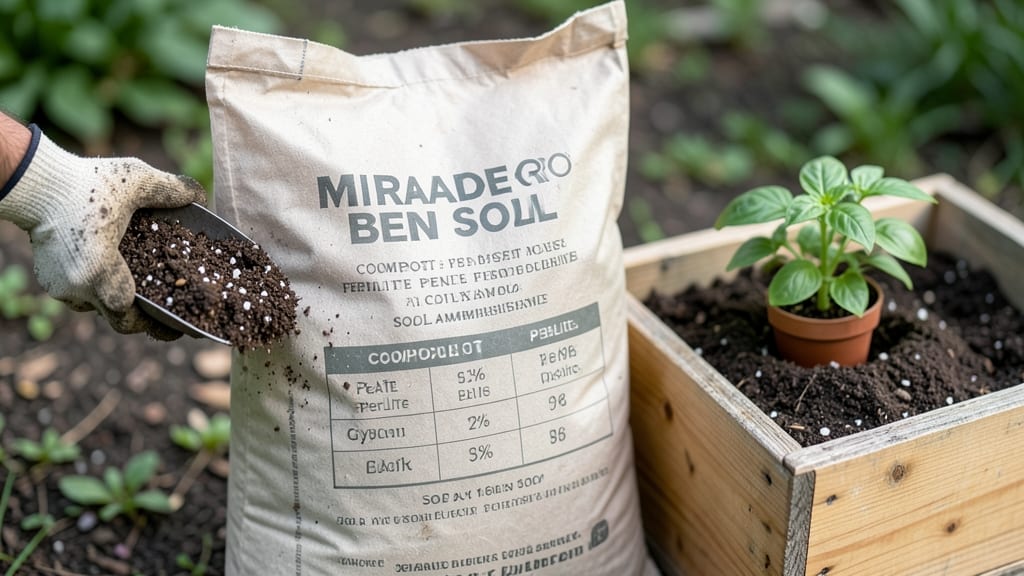
Miracle-Gro raised bed soil ingredients combine controlled-release fertilizer with compost and soil conditioners to deliver a balanced NPK ratio (12-12-12) that keeps plants thriving for months. 🌱 The secret lies in its slow-release nutrients—no sudden spikes or burn risks—paired with moisture-retaining polymers that prevent drought stress, even in hot summers.
Unlike DIY mixes that require precise layering, this pre-mixed formula handles the heavy lifting for you, cutting prep time from hours to minutes.
This soil excels with vegetables and herbs, where consistent nutrition prevents bolting or stunted growth. The organic matter boosts microbial activity, while perlite and vermiculite create ideal aeration for root expansion. For containers or in-ground beds, it’s a foolproof alternative to scratch-built blends—just add plants and water.
The only caveat? Heavy clay soil may need sand or compost amendments to improve drainage before mixing.
What sets it apart is the nutrient longevity—up to 3 months of steady feeding—without the hassle of mid-season top-ups. Compare that to homemade mixes where you must monitor and replenish nutrients manually.
For gardeners short on time but hungry for results, this is the game-changer that delivers explosive early growth and long-season productivity with minimal effort.
For organic gardeners, consider top-dressing with compost after planting to supplement the synthetic blend. And if you’re growing heavy feeders like tomatoes or peppers, a half-strength liquid fertilizer every 4-6 weeks ensures they don’t outgrow their nutrients.
The mix’s versatility makes it perfect for small-space gardens, rooftop containers, or even strawberry pots—just adjust watering to prevent soggy roots.
📚 In This Guide
- What you need
- Instructions
- Tips and common mistakes
- Wrapping up and next steps
What you need
- ● Miracle-Gro Raised Bed Soil (1.5 cu. ft. bag) – 2-3 bags (depending on bed size; ~12-18 cu. ft. for a 4’x8’ bed).
- ● Compost (organic, aged) – 1-2 cubic feet (for moisture retention & microbes).
- ● Coco coir or peat moss – 1 cubic foot (improves aeration & drainage).
- ● Perlite or vermiculite – 1-2 gallons (lightens soil for root expansion).
- ○ Slow-release fertilizer (optional) – 1 lb (e.g., Osmoote or Alfalfa meal for extra NPK).
- ● Garden gloves (to protect hands from sharp edges & soil).
- ● Wheelbarrow or large container (for mixing ingredients).
- ● Garden trowel or shovel (for layering & blending).
- ● Raised bed kit (if not pre-built) – Untreated wood (cedar/pine) or galvanized metal (4”+ height recommended).
- ○ pH test kit (optional) – To check soil acidity (ideal: 6.0-7.0 for most plants).
- ● Watering can or hose (for moistening soil before planting).
How to mix Miracle gro raised bed soil for maximum growth
This blend delivers the perfect foundation for vigorous roots and lush foliage—no guesswork involved.
🪴 Step 1: Combine Base Materials for Structure and Moisture
Start by mixing 4 parts Miracle Gro Raised Bed Soil with 2 parts perlite in a large container. The perlite creates air pockets that prevent compaction, which is critical for root development. I like to use a wheelbarrow or sturdy plastic bin for this—it keeps everything contained and makes mixing easier.
Add 1 part compost to the blend, breaking up any clumps first. This introduces beneficial microbes and organic matter that the synthetic soil alone lacks. The compost should be well-aged (no fresh manure—it burns roots) and finely screened to avoid large chunks. Mix thoroughly until the color is uniform and you can't see distinct layers.
🌱 Step 2: Adjust Nutrient Levels for Plant Type
For vegetables and flowering plants, add 1 tablespoon of 10-10-10 fertilizer per 5 gallons of soil mix. This boosts the NPK ratio without overdoing it—too much nitrogen early on leads to leafy growth at the expense of fruit or flowers. If you're growing berries or acid-loving plants, replace the 10-10-10 with 1 tablespoon of 10-10-20 fertilizer and a handful of peat moss.
For lawn grasses, reduce the fertilizer to ½ tablespoon per 5 gallons—they need steady nutrition, not a sudden surge. Sprinkle the fertilizer evenly over the soil mix, then stir it in with a garden fork or trowel. The goal is even distribution so no pocket gets over- or under-fertilized.
💧 Step 3: Moisten and Condition for Planting
Gradually add water while mixing until the soil reaches the consistency of a damp sponge—it should hold together when squeezed but not drip. Overwatering at this stage creates anaerobic pockets that stunt root growth. I test moisture by forming a handful: if it crumbles when lightly pressed, it's ready.
Let the mix sit for 24 hours before planting. This allows the ingredients to settle and for any chemical reactions (like slow-release fertilizer activation) to begin. After resting, fluff the soil one last time with your hands or a fork to ensure no compacted areas remain. The final texture should feel light yet supportive—like a cloud that won't collapse under a seedling's weight.
☀️ Step 4: Layer and Plant for Optimal Root Development
Fill your raised bed with the prepared soil, leaving 2 inches at the top for mulch or watering. Press down lightly to remove air gaps but don't compact it—roots need space to explore. For deep-rooted plants like tomatoes or peppers, create a 6-inch deep planting hole and fill it with a 50/50 mix of your prepared soil and additional compost. This gives them a nutrient-rich start.
Water the bed deeply after planting to settle the soil around roots. You'll see the first signs of success within 7-10 days—new leaves will emerge with vibrant color, and stems will stand firm. If the soil dries out too quickly, add a 1-inch layer of mulch to retain moisture and regulate temperature.
Tips & tricks for perfect Miracle gro raised bed soil mix
Took me years of trial and error to perfect this soil blend—here's how to avoid my early mistakes and get the most out of your garden foundation.
The Perlite-Proportion Secret: When mixing the 4 parts Miracle Gro Raised Bed Soil with 2 parts perlite, don't eyeball it! Use a measuring bucket or shovel to ensure precise ratios. I learned this the hard way after planting tomatoes in soil that was too dense—roots struggled to penetrate. For extra aeration in heavy clay soils, increase perlite to 3 parts instead of 2, but reduce compost slightly to maintain moisture retention.
Compost Quality Check: The compost you add in Step 1 makes all the difference. Look for dark, crumbly compost with an earthy smell—avoid anything with large chunks or a sour odor. If you're unsure about quality, bake homemade compost in your oven at 200°F for 30 minutes to kill any weed seeds or pathogens before mixing. This extra step prevents future garden headaches without compromising benefits.
Fertilizer Timing Strategy: For vegetables and flowering plants, add the 1 tablespoon of 10-10-10 fertilizer per 5 gallons right after mixing the base materials in Step 2. The key is immediate distribution—this prevents nutrient hotspots that can burn tender roots. For acid-loving plants, mix the peat moss thoroughly with the 10-10-20 fertilizer first before adding to the soil blend, ensuring even acidification throughout.
24-Hour Resting Transformation: That 24-hour resting period in Step 3 isn't just about settling—it's when the soil's true potential reveals itself. Use this time to test your moisture level again: if it feels too dry after resting, add water gradually until it reaches that perfect damp-sponge consistency. Pro tip: Cover your mixed soil with a damp towel during resting to prevent surface drying, which can create a crust that blocks moisture penetration.
Pro Tips for Miracle Gro Raised Bed Soil Ingredients
- Took me years of trial and error to perfect this soil blend—here's how to avoid my early mistakes and get the most out of your garden foundation.
- The Perlite-Proportion Secret: When mixing the 4 parts Miracle Gro Raised Bed Soil with 2 parts perlite, don't eyeball it!
- Compost Quality Check: The compost you add in Step 1 makes all the difference.
Frequently asked questions
Got questions about Miracle-Gro raised bed soil ingredients?
You’re not alone! Here are answers to the most common queries to help you grow like a pro.
What’s the best NPK ratio for raised bed vegetables?
Miracle-Gro’s raised bed mix typically features a balanced NPK ratio (e.g., 15-15-15 or 12-12-12), ideal for most veggies, flowers, and herbs. For heavy feeders like tomatoes or peppers, supplement with a 5-10-10 fertilizer mid-season. Always check the label for specific blend details!
How often should I fertilize raised beds with Miracle-Gro?
Start with the starter fertilizer at planting, then apply every 4-6 weeks during the growing season. Over-fertilizing can burn roots—follow the label’s guidelines! For organic options, pair with compost to slow-release nutrients naturally.
Is Miracle-Gro raised bed soil worth the cost compared to DIY mixes?
Miracle-Gro’s convenience and pre-balanced nutrients save time, but DIY mixes (e.g., 60% topsoil + 30% compost + 10% perlite) can be cheaper long-term. If budget allows, Miracle-Gro’s consistency and fast results make it a great choice for beginners or high-yield gardens.
What if my plants look unhealthy despite using Miracle-Gro?
Yellow leaves? Check for overwatering or nutrient lockout (too much fertilizer). Brown edges? Likely underwatering or salt buildup—flush soil with water. For pests, use neem oil or insecticidal soap. If issues persist, test soil pH (ideal: 6.0–7.0) and adjust with lime or sulfur.
Can I reuse Miracle-Gro soil in raised beds year after year?
While you can reuse it, refresh it annually by mixing in 2–3 inches of compost or aged manure. Over time, nutrients deplete, and soil structure breaks down. For perennials, top-dress with a slow-release fertilizer (like Miracle-Gro Shake ’n Feed) to revive the bed.
Wrapping up and next steps
Transforming your raised bed with Miracle-Gro soil and a balanced NPK ratio is your ticket to a thriving garden! 🌱 Whether you're growing veggies, flowers, or herbs, the right blend of nutrients ensures explosive growth and bountiful harvests.
This guide gave you the tools—now it’s time to roll up your sleeves and dig in!
Ready to take the next step? Start by testing your soil (or grab that Miracle-Gro mix and prep your beds today). Watch your plants flourish—you’ve got this! 🚀