
Flowers
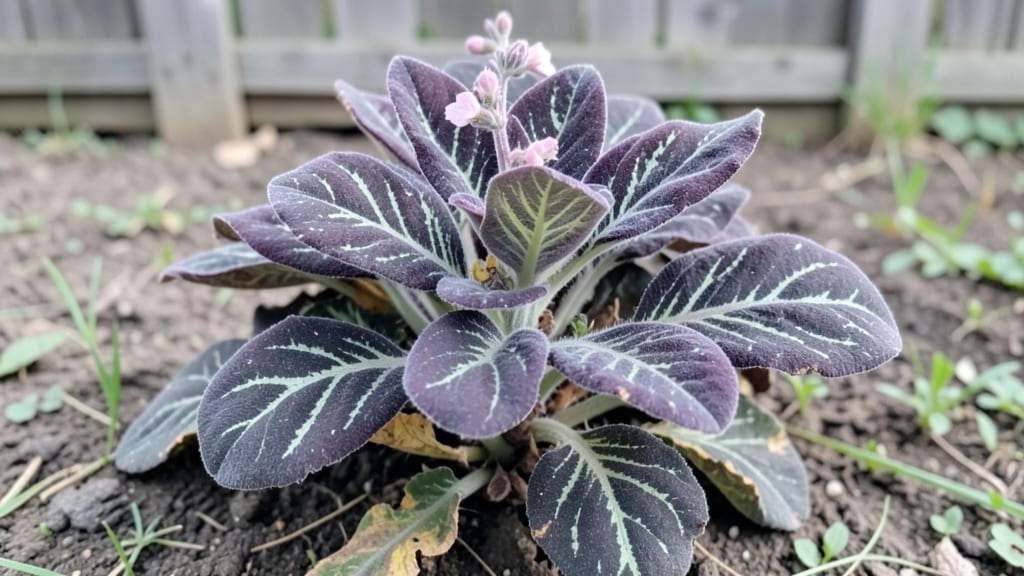
Growing Malva zebrina perennial feels like having a velvet-painted canvas in your garden that never stops changing. 🌿 This zebra mallow thrives with almost no effort—its striking foliage and delicate blooms create a showstopping display from spring through fall, often lingering into winter in milder climates.
The secret lies in its adaptability: it handles heat, drought, and even poor soil better than most perennials, making it perfect for busy gardeners or those with challenging growing conditions.
You’ll need a spot with full sun to partial shade—it’s flexible enough to handle both—and well-draining soil, though it won’t complain if your soil is less than ideal. Plant it in garden beds or containers, and watch it spread gracefully without becoming invasive.
Watering is minimal once established; this plant stores moisture like a pro, so you can relax during dry spells. The real magic happens when it blooms, with clusters of soft pink or white flowers that contrast beautifully against its bold, striped foliage.
Pruning is optional but keeps it tidy—simply trim back any leggy growth in early spring or after flowering. It’s also deer-resistant and drought-tolerant, which means fewer headaches and more enjoyment.
Whether you’re filling a sunny border, adding texture to a container, or just want a low-maintenance plant that punches above its weight, Malva zebrina delivers year after year.
Bonus: It’s a pollinator magnet, attracting bees and butterflies without needing extra effort. Once you plant it, you’ll wonder why you didn’t add more to your garden sooner. Let’s dive into how to make the most of this effortless beauty.
📚 In This Guide
- What you need
- Instructions
- Tips and common mistakes
- Wrapping up and next steps
What you need
- ● Malva zebrina plants: 3–5 healthy nursery-grown plants (check for vibrant foliage and no signs of pests). Pro tip: 💡 Opt for container-grown plants for easier transplanting!
- ● Well-draining soil: 1–2 cubic yards of loamy garden soil mixed with compost (50/50 ratio) or a cactus/succulent mix (for containers). Test tip: 🌡️ Ensure drainage—Malva zebrina hates soggy roots!
- ● Sunlight access: A full-sun to partial-shade spot (6+ hours of sunlight daily for peak color).
- ● Watering can or hose: With a gentle spray nozzle for even hydration.
- ● Mulch: 2–3 inches of organic mulch (e.g., straw or shredded bark) to retain moisture and suppress weeds.
- ● Garden trowel or shovel (for planting).
- ● Pruning shears (to trim spent blooms or shape plants).
- ● Garden gloves (for protection while handling soil or thorns).
- ● Container pots (12–18 inches deep, with drainage holes) if growing in pots. Design tip: ✨ Use terracotta for a rustic look!
- ● Fertilizer: Balanced, slow-release granular fertilizer (10-10-10) or compost tea (apply sparingly, 2–3 times per season).
- ○ Support stakes (optional, for taller varieties in windy areas).
How to plant and maintain Malva zebrina for stunning year-round color
Here’s the straightforward approach I’ve used to keep this drought-tolerant beauty thriving with minimal effort.
🌱 Step 1: Select the Perfect Planting Spot
Malva zebrina thrives in full sun to partial shade, making it incredibly adaptable. Choose a location with at least 6 hours of direct sunlight daily for the boldest foliage colors, but it tolerates 4-5 hours if your climate is hot. The key is well-draining soil—this plant despises soggy roots, so avoid low-lying areas where water pools.
I always test the soil first by digging a 6-inch hole and filling it with water. If it drains within 15-30 minutes, the spot is perfect. If water lingers, amend the soil with 2-3 inches of compost or plant in a raised bed. Mulch with 2-3 inches of organic mulch after planting to retain moisture and suppress weeds—just keep it 2 inches away from the stem to prevent rot.
🪴 Step 2: Plant with Proper Spacing and Depth
Dig a hole twice as wide as the root ball but only as deep as the container it came in. Malva zebrina spreads slowly but forms dense clumps, so space plants 18-24 inches apart for full, lush growth. If planting from seed, sow at a depth of ¼ inch and thin seedlings to this spacing once they reach 3-4 inches tall. I’ve found that planting in early spring (after the last frost) gives roots time to establish before summer heat.
Gently remove the plant from its container, loosen the roots if they’re circling, and place it in the hole so the top of the root ball sits level with the surrounding soil. Backfill with native soil, pressing lightly to eliminate air pockets. Water deeply right after planting—1 gallon per plant—to help settle the soil and encourage root growth. Avoid fertilizing at planting; the plant prefers lean soil and will thrive without extra nutrients.
☀️ Step 3: Water Wisely for Drought-Tolerant Growth
Once established, Malva zebrina is remarkably drought-resistant, but young plants need consistent moisture. Water once a week during the first growing season, providing ½ gallon per plant each time. After 6-8 weeks, reduce to every 10-14 days unless your area experiences extreme heat or drought. The plant’s thick, succulent leaves store water, so wilting is rare—only intervene if the soil feels bone-dry 2 inches below the surface.
I water deeply in the early morning to allow foliage to dry by evening, reducing the risk of fungal issues. Overwatering is the biggest mistake—this plant recovers quickly from drought but struggles in soggy conditions. If you notice yellowing leaves, cut back on watering immediately. Mulch helps retain moisture, so top up with an additional 1 inch of mulch in summer to protect roots from heat stress.
✂️ Step 4: Prune for Shape and Encourage Bushier Growth
Malva zebrina rarely needs pruning, but a light trim in early spring keeps it tidy and encourages denser foliage. Cut back any leggy stems by ⅓ using clean, sharp shears. I avoid heavy pruning—this plant grows best when left to its natural shape, with its striking zebra-striped leaves on display. Deadhead spent flowers in late summer to redirect energy into foliage growth rather than seed production.
If your plant spreads beyond its intended space, divide it in early spring or fall. Dig up the clump, separate it into sections with 3-5 leaves each, and replant immediately. This is also a great way to propagate—each division will establish quickly with minimal care. Just avoid dividing in summer heat, as the roots need time to recover before the stress of transplanting.
🌿 Step 5: Overwinter for Year-Round Beauty
Malva zebrina is perennial in USDA zones 5-10, meaning it returns year after year with almost no effort. In colder zones, protect it with a 2-3 inch layer of mulch in late fall to insulate roots. I’ve seen it survive 10°F dips without issue, but a light frost can scorch leaves—just trim back any damage in spring, and new growth emerges quickly.
In warmer climates, reduce watering in winter to once every 3-4 weeks, as rainfall often suffices. The plant goes semi-dormant but stays evergreen in mild winters, providing year-round interest. If leaves yellow or brown in winter, it’s usually due to overwatering—let the soil dry out completely between waterings until spring growth resumes.
Tips & tricks for perfect Malva zebrina maintenance
These pro insights will help you maximize the striking beauty of your Malva zebrina with minimal effort—once you know the secrets.
Soil Drainage is Non-Negotiable: The 15-30 minute drainage test in Step 1 is your best friend. If water pools beyond that window, you're risking root rot. I've seen Malva zebrina recover from drought but never from soggy conditions—this plant's thick leaves store water, but its roots can't tolerate wet feet. For containers, always use pots with drainage holes and a layer of gravel at the bottom to prevent compaction.
Timing Your Planting Matters: While early spring is ideal, I've successfully planted in late summer too—just be prepared for slower establishment. The key is avoiding extreme heat or cold. If you're in a hot climate, plant in early fall instead. And here's a pro move: if you're planting from seed, start indoors 6-8 weeks before your last frost date for faster growth.
Mulch Like a Pro: That 2-3 inch layer of mulch isn't just decorative—it's your plant's winter blanket and summer air conditioner. In summer, it keeps roots cool and retains moisture. In winter, it insulates against temperature swings. I recommend using shredded bark or straw mulch—it breaks down slowly and won't compact like other materials. Just remember to keep it 2 inches away from the stem to prevent rot.
Watering Wisdom: The 10-14 day watering schedule after establishment might seem infrequent, but trust the process. Malva zebrina's succulent leaves are designed to store moisture. The real test is checking soil moisture—stick your finger 2 inches down. If it feels dry, water. If it's still damp, wait. Overwatering causes more problems than underwatering with this resilient plant.
Pro Tips for Malva Zebrina Perennial
- These pro insights will help you maximize the striking beauty of your Malva zebrina with minimal effort—once you know the secrets.
- Soil Drainage is Non-Negotiable: The 15-30 minute drainage test in Step 1 is your best friend.
- Timing Your Planting Matters: While early spring is ideal, I've successfully planted in late summer too—just be prepared for slower establishment.
Frequently asked questions
Is Malva zebrina truly perennial, or does it die back in winter?
Malva zebrina is a hardy perennial in USDA zones 7–11, meaning it’ll bounce back year after year with proper care. In colder zones, it may die back to the ground but regrows from the roots in spring. Pro tip: Mulch in winter to protect its crown!
When is the best time to plant Malva zebrina for maximum blooms?
Plant in early spring (after the last frost) or fall (6–8 weeks before your first frost). This gives roots time to establish before extreme heat or cold. Bonus: Fall planting often yields earlier blooms the next season!
Can I grow Malva zebrina in containers, or does it need garden space?
Yes! It thrives in containers 12+ inches deep with well-draining soil. Just ensure pots have drainage holes and repot every 2–3 years. Container hack: Pair it with trailing plants like Lobelia for a show-stopping combo!
What pests or diseases should I watch for with Malva zebrina?
This plant is pest-resistant, but watch for aphids or spider mites in dry conditions. Treat with neem oil if needed. Overwatering can cause root rot, so ensure soil drains well. Prevention tip: Space plants 12–18 inches apart for airflow!
Are there any low-maintenance alternatives to Malva zebrina?
If you want similar color and resilience, try:
- Lavandula (drought-tolerant, fragrant)
- Gaura lindheimeri (long blooms, deer-resistant)
- Salvia nemorosa (heat-loving, pollinator-friendly)
Wrapping up and next steps
Ready to transform your garden into a low-maintenance, high-reward paradise? Malva zebrina is your secret weapon—offering striking foliage, resilience, and year-round charm with minimal effort. Whether you’re a seasoned gardener or just starting, this perennial is a game-changer for adding texture and color effortlessly.
Take the next step: plant one today and watch your outdoor space thrive! 🌿💚 Need a refresher? Check out our planting tips to get started—your garden’s new favorite will thank you!