
Pests and Diseases
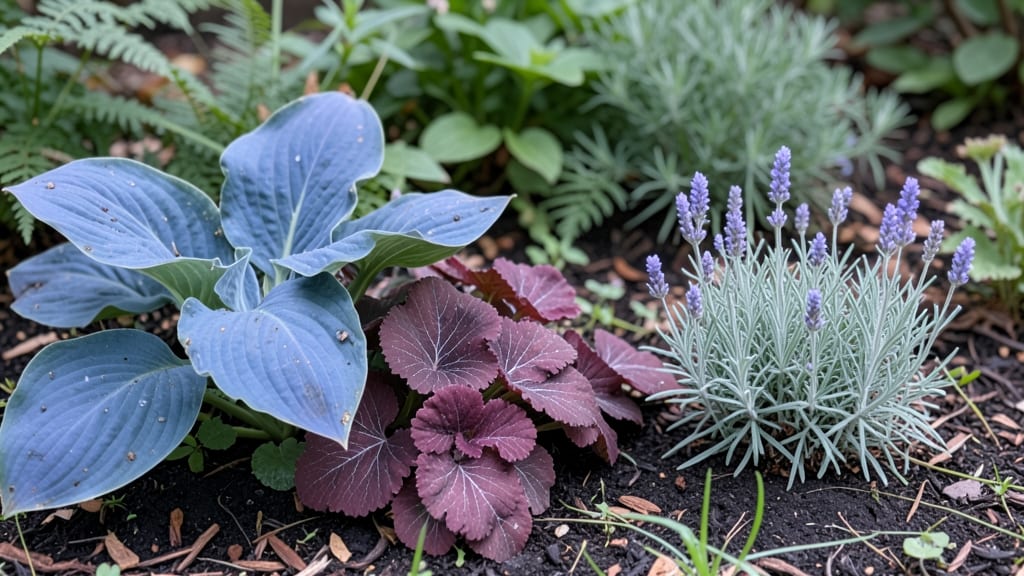
Perennial leaves aren’t just for looks—they’re a game-changer in pest control when used right. 🌿 I’ve turned my overgrown hosta and mint into a living shield against aphids, slugs, and even Japanese beetles by strategically placing their foliage where pests love to hide.
The secret lies in their natural chemistry: crushed leaves release compounds that deter insects without harming your garden’s ecosystem. Start by harvesting healthy leaves from perennials like lavender, tansy, or wormwood—these are the powerhouses.
Simply scatter them around vulnerable plants or create a mulch barrier at the base of your beds. It’s a foolproof way to reduce chemical sprays while keeping your garden thriving.
📚 In This Guide
- What you need
- Instructions
- Tips and common mistakes
- Wrapping up and next steps
What you need
- ● Fresh or dried perennial leaves – Aim for 1–2 cups (or ~30–50g) of leaves like lavender, mint, rosemary, or basil. Pro tip: 💡 Use organic, pesticide-free leaves for the best results!
- ● Water – 1 quart (32 oz or ~1 liter) for boiling or steeping.
- ● A large pot or saucepan – Must hold at least 2 quarts of liquid.
- ● Cheesecloth or fine mesh strainer – For filtering the liquid.
- ● Spray bottle (8–16 oz) – For easy application in your garden.
- ○ Gloves (optional but recommended) – To protect your hands from hot water or prickly leaves.
- ● Mortar and pestle – For crushing leaves to release more oils (if using fresh leaves).
- ● Essential oil extractor (or a few drops of essential oil) – For an extra potent repellent (e.g., 5–10 drops of peppermint or citrus oil).
- ● Labeling tags – To mark your spray bottle with the date and ingredients.
- ● Gardening shears – For harvesting leaves cleanly from perennials.
How to create a natural pest-repellent barrier using perennial leaves
Here's the organic solution I rely on to keep pests at bay without chemicals.
🌿 Step 1: Harvest and Prepare Perennial Leaves
Choose healthy, disease-free leaves from perennials like lavender, mint, rosemary, or basil—these contain potent natural oils that deter pests. Harvest in the morning after dew has dried, when essential oils are most concentrated. Avoid leaves with holes or yellowing, as these won't be effective.
Roughly chop the leaves into ½-inch to 1-inch pieces using clean scissors or pruners. The goal is to expose more surface area for the aromatic compounds to release. I like to work in small batches—about 2 cups of chopped leaves per gallon of water—to maintain freshness and potency.
💧 Step 2: Create the Pest-Repellent Infusion
Combine the chopped leaves with 1 gallon of boiling water in a large stainless steel or glass container. The heat helps extract the essential oils more efficiently. Cover the container loosely with a clean cloth or lid to allow steam to escape while keeping debris out.
Let the mixture steep for at least 24 hours in a warm, shaded spot. You'll notice the water turning slightly darker and developing a strong, aromatic scent—this is your signal that the oils are infusing properly. After 24 hours, strain out the leaves using a fine-mesh sieve or cheesecloth, pressing gently to extract every last drop of liquid.
✂️ Step 3: Apply the Barrier Around Plants
Pour the strained infusion into a spray bottle or watering can. For a perimeter barrier, apply it directly to the soil around the base of plants, focusing on a 6-inch-wide band around the drip line. This creates an invisible shield that pests like aphids, slugs, and even rabbits avoid crossing.
For foliar protection, lightly mist the undersides of leaves—where many pests hide—using a fine mist setting. Reapply every 7-10 days or after heavy rain, as the oils break down over time. I always test a small area first to ensure the plants tolerate the treatment.
🌱 Step 4: Enhance with Mulch for Long-Term Defense
After applying the infusion, spread a 2-inch layer of dried perennial leaves (like those from your harvest) around the plant base. This mulch layer serves two purposes: it retains moisture and slowly releases the aromatic compounds as it decomposes, extending the pest-repellent effect.
For added protection, mix the infusion with 1 part water to 3 parts compost tea before applying. The microbial activity in compost tea boosts the infusion’s effectiveness while improving soil health. This combo keeps pests away while nourishing your plants naturally.
Tips & tricks for perfect perennial leaf pest repellent
Between us, these little details make all the difference between a garden that just survives and one that thrives. Here's what nobody tells you about maximizing this natural pest barrier.
Harvest Timing Secret: The morning after dew has dried is absolutely critical for essential oil potency. I've learned this the hard way—harvesting later in the day means less aromatic compounds, which weakens the repellent effect. If you miss morning, harvest in late afternoon when temperatures peak, but expect slightly reduced effectiveness.
Chopping Technique: Those ½-inch to 1-inch pieces aren't arbitrary—they create the perfect surface area to volume ratio for oil extraction. For maximum potency, use sharp scissors or pruners and chop against a cutting board to avoid crushing the leaves, which can make the infusion bitter. I actually pre-chill my leaves in the fridge for 30 minutes before chopping to make them easier to handle.
Steeping Strategy: The 24-hour steeping time is non-negotiable for full oil extraction, but here's the pro move: place your container in a warm spot (like your garage or near a sunny window) to accelerate the process. You'll notice the water darken noticeably within the first 12 hours—this visual cue tells you the oils are actively infusing. After 24 hours, give the leaves one final press with a wooden spoon to extract every last drop of aromatic goodness.
Application Insight: That 6-inch perimeter band around plants isn't just decorative—it creates a chemical barrier that pests instinctively avoid. For extra protection, I like to apply the infusion in the early evening when pests are most active. The combination of the barrier and the scent lingering on leaves creates a double defense system that works better than either method alone.
Pro Tips for Leaves Of Perennials
- Between us, these little details make all the difference between a garden that just survives and one that thrives.
- Harvest Timing Secret: The morning after dew has dried is absolutely critical for essential oil potency.
- Chopping Technique: Those ½-inch to 1-inch pieces aren't arbitrary—they create the perfect surface area to volume ratio for oil extraction.
Frequently asked questions
Got questions about using perennial leaves as a natural pest barrier? You’re not alone! Here are some common concerns—and straightforward answers—to help you get started with confidence.
When is the best time to harvest leaves from perennials for pest control?
The ideal time is late summer or early fall when leaves are fully mature but before the first frost. This ensures they’re potent with essential oils (like mint or lavender) while still flexible enough to layer. Avoid harvesting diseased or chemically treated plants—stick to organic, healthy perennials!
How long do the leaves last as a pest barrier?
Freshly layered leaves typically last 2–4 weeks before breaking down. For longer protection, dry them first (hang in bundles or spread on a screen) and store in a cool, dark place. Reapply as needed, especially after rain or heavy dew. Pro tip: Mix dried leaves with mulch for extended coverage!
Will perennial leaves repel specific pests, or are they a general deterrent?
Some perennials target specific pests:
- Mint or lemon balm: Repels ants, aphids, and mosquitoes.
- Lavender: Deters moths, fleas, and even some rodents.
- Rosemary or sage: Keeps deer and rabbits away.
What if my perennial leaves attract slugs or other pests instead?
This can happen if leaves are too moist or decaying. To prevent it:
- Harvest leaves dry (shake off excess moisture).
- Avoid piling leaves directly on soil—create a 1–2 inch barrier around plants.
- Add a diatomaceous earth sprinkle on top to deter slugs.
Can I reuse perennial leaves from year to year?
Yes! Dried leaves can be reused for 1–2 seasons if stored properly in airtight containers. For fresh use, simply refresh the layer every few weeks. Bonus: Compost spent leaves in the fall—they’ll enrich your soil while breaking down naturally.
What’s a quick alternative if I don’t have perennial leaves on hand?
No problem! Try these fast fixes:
- Crushed garlic or chili powder: Sprinkle around plants for a temporary repellent.
- Wood ash: Scatter lightly near entry points (ants and slugs dislike it).
- Essential oil sprays: Mix 10 drops of peppermint or eucalyptus oil with water in a spray bottle.
Wrapping up and next steps
Transforming leaves of perennials into a natural pest-repellent barrier is a game-changer for eco-conscious gardeners! 🌿 These simple, chemical-free solutions protect your plants while keeping your green space thriving. Whether you’re tackling aphids, slugs, or fungal issues, the power of nature’s own defenses is just a few steps away.
Ready to give it a try? Start small—pick a few perennials, gather their leaves, and experiment with the recipes shared here. Your garden (and the local wildlife!) will thank you. Happy gardening! 🌱