
Landscaping
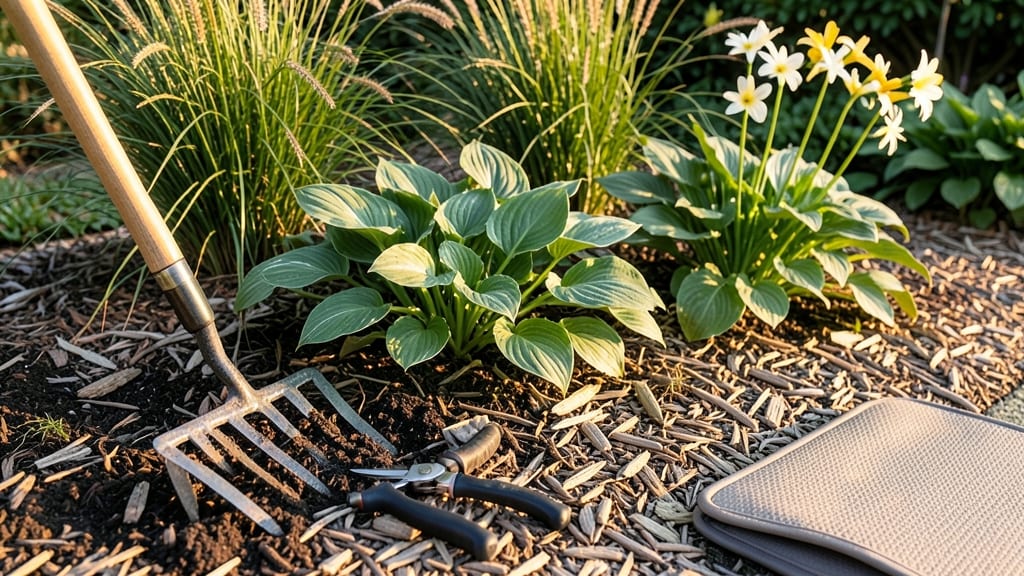
Your landscape beds deserve year-round beauty without the constant work. 🌿 The key to landscape bed maintenance isn’t hours of labor—it’s smart habits that keep plants healthy, weeds at bay, and your yard looking polished with minimal effort.
I’ve spent years refining my approach, and the secret lies in seasonal check-ins, strategic mulching, and a few simple tools that save time.
Start with a clean slate: trim back overgrown edges, refresh mulch every 6–12 months, and pull weeds before they seed. Proper spacing and plant selection cut down on future maintenance—crowded beds invite pests and diseases, while the right plants thrive with less fuss.
A sharp edging tool makes borders crisp in just minutes, and a layer of mulch suppresses weeds while locking in moisture.
By summer’s end, you’ll have beds that stay vibrant with less than an hour of work per month. The right plants in the right spots mean fewer deadheads, no bare patches, and a garden that feels intentional.
Think of it as setting your landscape on autopilot—once you establish the routine, the upkeep becomes almost invisible.
This works for any yard size, from small foundation plantings to sprawling perennial gardens. The goal isn’t perfection—it’s sustainability. Let’s make your landscape beds the envy of the neighborhood without the backbreaking work.
📚 In This Guide
- What you need
- Instructions
- Tips and common mistakes
- Wrapping up and next steps
What you need
- ● Hand pruners or shears – Sharp, bypass-style pruners (for clean cuts) or small hedge shears for shaping.
- ● Garden gloves – Durable, nitrile-coated gloves (size medium or large) to protect hands from thorns and debris.
- ● Garden rake – A bow rake (4–6 teeth) for clearing leaves and debris from beds.
- ● Garden hose with adjustable nozzle – A showerhead or flat-fan tip for gentle watering and rinsing.
- ● Mulch – 3–4 cubic feet of organic mulch (e.g., shredded bark, pine straw, or compost) per 10 sq. ft. of bed.
- ○ Edging tool – A half-moon or oscillating edger to keep beds neatly defined (optional but highly recommended for crisp lines!).
- ● Wheelbarrow or bucket – A 5-gallon capacity for hauling debris, mulch, or tools.
- ● Knee pads or cushion – For comfort during extended work (especially for larger beds!).
- ● String trimmer/weed whacker – For tough weeds or overgrown edges (electric or gas-powered).
- ● Leaf blower – Speeds up cleanup in large or leaf-heavy areas.
- ● Soil knife or transplant tool – For removing weeds or dividing perennials without disturbing roots.
- ● Post-emergent herbicide – Spot-treatment only for stubborn weeds (follow label instructions!).
- ● Landscape fabric – If refreshing bare spots or suppressing weeds long-term.
- ● Sunscreen & hat – Because beauty maintenance shouldn’t come with a sunburn!
Step-by-step instructions for year-round landscape bed maintenance
Here's the system I use to keep beds looking sharp with just 30 minutes weekly.
🌿 Step 1: Seasonal Soil Preparation
Start by assessing your soil's condition—healthy soil is the foundation of effortless maintenance. In spring, rake out winter debris and add 1-2 inches of compost over the bed surface. This boosts microbial activity while improving moisture retention. I like to work the compost into the top 2 inches of soil using a hand fork, being careful not to disturb plant roots.
For fall prep, focus on mulching instead. Spread 2-3 inches of organic mulch (like shredded bark or wood chips) over the soil surface. This protects roots from freeze-thaw cycles while suppressing weeds naturally. The key is to keep mulch 2-3 inches away from plant stems to prevent rot.
✂️ Step 2: Strategic Pruning and Deadheading
Regular pruning keeps plants healthy and encourages new growth. For perennials, I cut back dead foliage in early spring to 1-2 inches above the ground—this removes overwintering pests while making room for fresh shoots. For flowering plants, deadhead spent blooms weekly to redirect energy into new flowers instead of seed production.
Watch for leggy growth—this happens when plants stretch toward light. Simply pinch back the tips of overgrown stems to encourage bushier growth. I always use clean, sharp pruners to prevent disease transmission between plants. Sterilize them with rubbing alcohol between cuts for extra protection.
💧 Step 3: Watering on a Smart Schedule
Deep, infrequent watering builds drought-resistant plants. Water early morning when evaporation is lowest, delivering 1-1.5 inches per week (including rainfall). You'll know you've watered enough when the soil feels moist 6 inches deep—stick a screwdriver into the ground to check.
For new plantings, water daily for the first 2 weeks to establish roots. After that, taper to 2-3 times weekly unless your area experiences a heatwave. Drip irrigation systems save time and deliver water directly to roots where it's needed most.
🪴 Step 4: Weed Control Without Chemicals
Weeds compete for nutrients, so stay ahead with consistent removal. I pull weeds when soil is moist—this makes them easier to remove with the roots intact. For stubborn weeds, use a handheld weeder to dig out the entire root system. The goal is to remove weeds before they seed and spread.
Create a weed barrier by spreading 3-4 layers of newspaper topped with mulch in newly planted beds. This blocks light while improving soil structure over time. Check mulch levels seasonally—it breaks down and needs replenishing after heavy rains.
⏰ Step 5: Seasonal Checkpoints
Spring is for cleanup and feeding: remove dead growth, apply balanced fertilizer, and divide overcrowded perennials. Summer focuses on hydration—water deeply during dry spells and monitor for pests. Fall is about protection: add mulch, prune back dead foliage, and plant spring bulbs.
Winter maintenance is minimal: remove any remaining dead plants, collect fallen leaves for compost, and check irrigation systems for winter damage. A quick walk through your beds each season prevents small issues from becoming major problems.
Tips & tricks for perfect year-round landscape care
Keeping your landscape beds looking effortless takes more than just occasional attention—it's about smart habits that save time and prevent problems.
Timing is Everything: That 30-minute weekly commitment works because it aligns with plant growth cycles. For example, spend 5 minutes every Saturday morning doing quick maintenance—this prevents overwhelming tasks later. I've found that consistent small efforts prevent the "catch-up" panic that comes with seasonal overhauls. The key is to break tasks into micro-steps that fit into your routine.
Soil Health Shortcuts: When working the 1-2 inches of compost into the top 2 inches of soil, think of it as creating a "sponge layer" for your plants. I like to use a hand fork to gently loosen the soil without disturbing roots—this creates tiny air pockets that improve drainage while retaining moisture. For existing beds, sprinkle compost directly over mulch and let it work its way down naturally over time.
Pruning Precision: That 1-2 inch guideline for cutting back perennials isn't arbitrary—it's based on how far down new growth typically emerges. For flowering plants, I've learned to deadhead right after the first bloom fades to keep the plant producing new flowers. The trick is to cut just above a leaf node or set of leaves where new growth can emerge. This simple technique can double your flowering season!
Watering Wisdom: The 6-inch deep moisture check is your best indicator of proper watering. I keep a screwdriver handy for this test—when it comes out clean, you've watered enough. For new plantings, that initial 2-week daily watering is crucial for root establishment. After that, let the soil dry slightly between waterings to encourage deeper root growth. The goal is plants that can fend for themselves during dry spells.
Pro Tips for Landscape Bed Maintenance
- Keeping your landscape beds looking effortless takes more than just occasional attention—it's about smart habits that...
- Timing is Everything: That 30-minute weekly commitment works because it aligns with plant growth cycles. For example,...
- Soil Health Shortcuts: When working the 1-2 inches of compost into the top 2 inches of soil, think of it as creating ...
Frequently asked questions
Got questions about keeping your landscape beds looking their best? You’re not alone! Here are some of the most common concerns—and straightforward answers—to help you maintain a stunning outdoor space with ease.
How often should I mulch my landscape beds?
Mulch should be refreshed once a year, typically in early spring or fall. Aim for a 2- to 3-inch layer to suppress weeds, retain moisture, and protect plant roots. If mulch breaks down faster (like wood chips), check it mid-year and top off as needed. Pro tip: Avoid piling mulch against tree trunks—keep it 6+ inches away to prevent rot.
When is the best time to prune perennials and shrubs?
Prune early spring (before new growth starts) for most perennials and late winter for shrubs. This timing promotes healthy regrowth and avoids stressing plants. Exception: Deadheading (removing spent blooms) can happen all season to encourage more flowers! Avoid heavy pruning in fall, as it may leave plants vulnerable to winter damage.
How do I get rid of weeds without harsh chemicals?
Start with a thick layer of mulch (3+ inches) to block sunlight and smother weeds. Hand-pull weeds when soil is moist, and use a weed torch (carefully!) for stubborn patches. For organic control, try vinegar-based sprays or corn gluten meal (applied in early spring). Consistency is key—weeds thrive when neglected!
Should I water my landscape beds daily, or is less frequent okay?
Deep, infrequent watering (1-2 times per week) encourages strong root growth, while daily light watering keeps plants shallow and dependent. Water early morning to reduce evaporation and fungal risks. Adjust based on weather—drought or heat may require more frequent hydration. Test soil: If the top 1-2 inches are dry, it’s time to water!
What’s the easiest way to keep my landscape beds looking neat all year?
Invest in low-maintenance plants like ornamental grasses, lavender, or boxwoods. Use edging tools to define borders cleanly, and sweep up debris regularly. For a no-fuss approach, try ground covers (like creeping thyme) to suppress weeds naturally. Even a 5-minute weekly tidy-up makes a huge difference!
Wrapping up and next steps
Keeping your landscape beds stunning doesn’t have to be a chore—just a few consistent, seasonal tweaks can make all the difference! From seasonal mulching and pruning to tackling weeds early, small efforts yield big rewards in curb appeal and plant health. You’ve got this! 🌿✨
Ready to elevate your outdoor space? Start by scheduling a quick monthly check-in—trim, refresh, and admire your progress. Happy gardening!