
Flowers
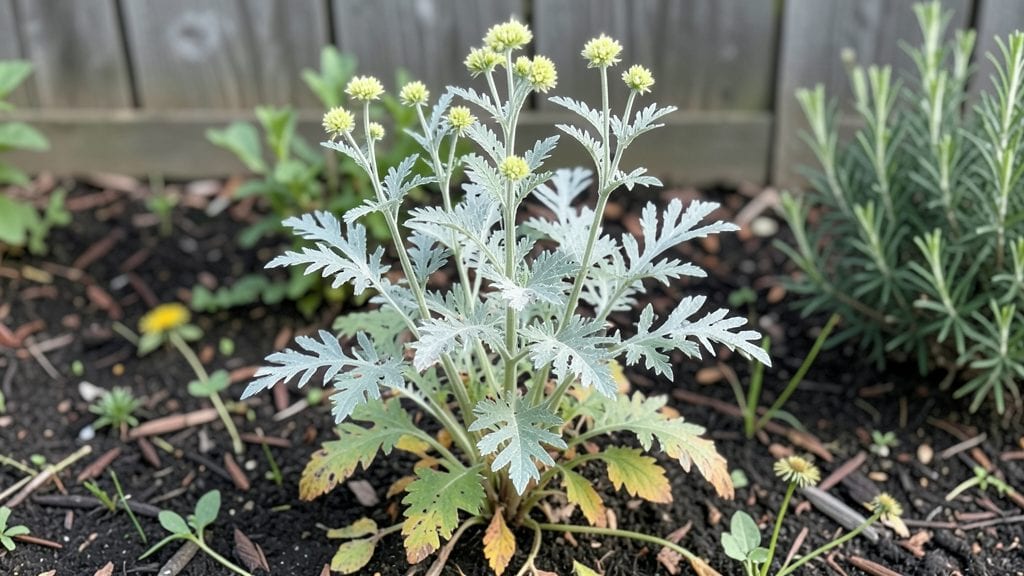
Wormwood is a perennial herb that thrives in USDA zones 3-9, returning each year with consistent care, though some varieties may experience winter dieback before regrowing in spring.
This hardy plant's resilience comes from its deep root system, which stores nutrients to fuel regrowth. 🌱 Many gardeners assume wormwood acts like an annual, but with proper winter protection—like mulching or container overwintering—it reliably comes back stronger each season.
The key is understanding your local climate's extremes, as even perennials can struggle in prolonged sub-zero temperatures.
For example, in colder regions like zone 3, wormwood might look dead in winter but often surprises growers by sprouting fresh shoots once temperatures rise. This makes it a rewarding choice for patient gardeners who appreciate low-maintenance perennials.
💡 In This Article
- Wormwood Perennial Growth Cycle Explained
- Cold-Hardiness Tips for Growing Wormwood Long-Term
Wormwood perennial growth cycle explained
Wormwood's perennial nature stems from its deep, fibrous root system that can extend 2-3 feet underground. These roots store carbohydrates and nutrients during dormancy, allowing the plant to regenerate even after above-ground growth dies back.
The root structure resembles a network of woody rhizomes, similar to mint but more robust, which helps it survive drought and cold snaps. 🌱 This underground storage system is why wormwood often appears "dead" in winter but springs back with new shoots in spring.
The plant's growth cycle follows a predictable pattern: vigorous spring growth (March-May), flowering in mid-summer (June-July), seed production, and then gradual decline as temperatures drop.
In colder zones (3-5), wormwood may lose all foliage by late fall, while in milder zones (6-9), it often retains some green growth year-round. The key difference lies in the root's ability to remain viable through winter, even when tops are frozen solid.
What most gardeners don't realize is how quickly wormwood recovers after winter. Once soil temperatures reach 50°F in spring, new shoots emerge from the crown in just 7-14 days. This rapid regrowth is fueled by the stored root reserves, which can sustain the plant even in poor soil conditions.
The plant's ability to photosynthesize through its woody stems during early spring gives it a competitive edge over true annuals.
Seasonal dormancy varies by variety. Common wormwood (Artemisia absinthium) typically dies back completely in winter, while some ornamental varieties maintain evergreen foliage in warmer climates. This dormancy isn't true hibernation—roots remain active at 32-40°F, continuing slow metabolic processes.
The plant's hardiness explains why it thrives in Mediterranean climates while still surviving occasional freezes.
Here's what happens biologically during winter: The plant converts stored sugars into antifreeze proteins that protect cell membranes from ice crystal damage. These proteins, similar to those found in cold-hardy trees, allow wormwood to survive temperatures down to -25°F when properly mulched.
The root zone's insulation becomes critical—unprotected roots can suffer frost heave damage, preventing spring regrowth.
One fascinating adaptation is wormwood's ability to produce new root growth from stem cuttings even in winter. This vegetative reproduction ensures the plant's survival when seeds fail to germinate.
The combination of deep roots, antifreeze proteins, and vegetative potential makes wormwood one of nature's most resilient perennials in temperate climates. 💫