
Flowers
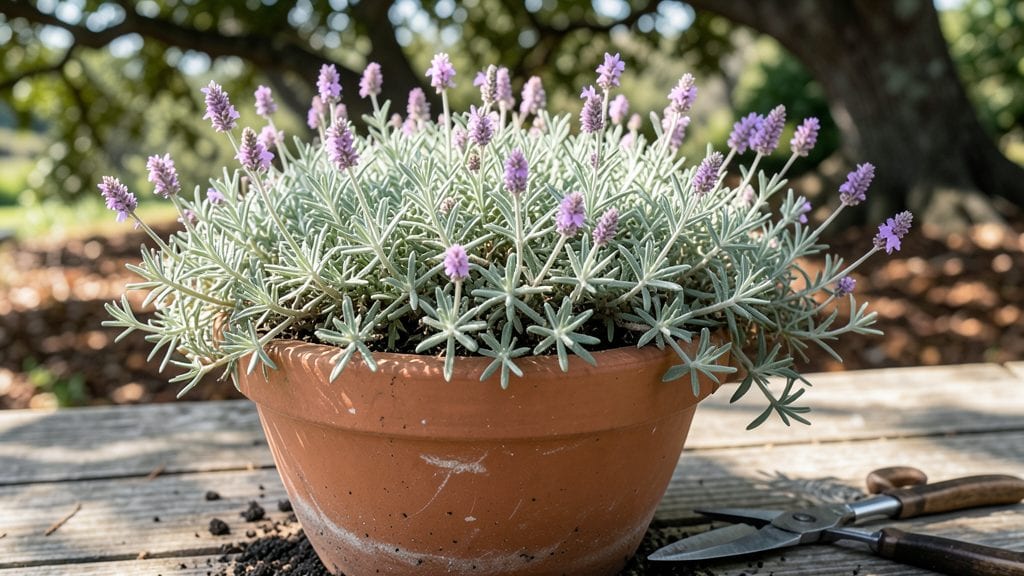
Yes, tyme (Thymus vulgaris) is a perennial herb that thrives for 3–5 years in optimal conditions, returning reliably each spring if pruned correctly and given well-draining soil. It can live longer with proper care but may decline after 5–7 years, requiring replanting or division to revive vigor.
Tyme earns its perennial reputation thanks to its tough, woody base and deep roots that anchor it through winters in USDA zones 5–9. 🌱 Unlike annual herbs that bolt in heat, tyme's semi-evergreen foliage keeps producing even in cooler months, making it a garden workhorse.
The secret lies in its ability to enter dormancy—when you prune back stems after flowering, you're actually encouraging stronger regrowth for next season.
What many gardeners don't realize is that tyme's lifespan can stretch beyond 5 years with proper care—think of it as a low-maintenance investment. The key is preventing soil compaction (amend with gritty sand) and avoiding overwatering, which causes root rot.
I've seen 7-year-old plants in my own garden still producing abundant blooms when given these basics.
💡 In This Article
- Tyme Plant Lifespan: Why It Thrives as a Perennial
- When and How to Replant or Divide Aging Tyme
Tyme plant lifespan: why it thrives as a perennial
Tyme's perennial nature stems from its unique woody base that develops at the stem's base after the first year. Unlike annual herbs like basil, which grow from soft, non-woody stems that die back completely each season, tyme forms a hardy lignified stem that survives winter's freeze-thaw cycles.
This woody structure acts like a built-in shock absorber, protecting the plant's vascular system from damage when temperatures drop to 15°F—the lower threshold for USDA zone 5 hardiness.
The real secret weapon is its deep root system, which can extend 12–18 inches below the surface. These roots tap into moisture reserves during drought and store carbohydrates that fuel spring regrowth. Compare this to cilantro, which has shallow roots (6 inches max) and bolts when stressed.
Tyme's roots also produce mycorrhizal associations with soil fungi, creating a nutrient exchange network that boosts its resilience. 🌿 This underground network explains why tyme often outlasts other Mediterranean herbs in the same garden conditions.
Photosynthesis efficiency plays a crucial role too. Tyme's needle-like leaves are covered in tiny trichomes (hair-like structures) that reduce water loss while maximizing light absorption. During summer's peak heat, these leaves maintain 70–80% photosynthesis efficiency even when temperatures hit 95°F, thanks to their waxy coating.
Annual herbs like dill often wilt under these conditions, but tyme simply slows its metabolic rate—a survival strategy called summer dormancy that conserves energy until cooler weather returns.
Another key factor is tyme's dormancy cycle, triggered by shortening daylight hours. When days drop below 12 hours of light, the plant shifts into a low-energy state, halting non-essential growth. This allows it to survive winters with minimal resources while still maintaining some green foliage.
The woody stems act as energy storage organs, releasing sugars when spring temperatures rise above 45°F—about 2–3 weeks earlier than most perennials in the same zone.
What most gardeners overlook is how tyme's alkaline soil preference (ideal pH 6.5–7.5) further extends its life. The herb's natural habitat in limestone-rich Mediterranean soils means it's adapted to handle calcium buildup that would harm many other plants.
This chemical tolerance, combined with its ability to self-prune by shedding older leaves, creates a self-sustaining growth cycle that keeps it productive for years without human intervention.
Consider this comparison: While basil (an annual) produces one main harvest before flowering and dying, a well-cared-for tyme plant can yield 3–5 harvests per season across multiple years.
The energy it stores in its woody base means it doesn't need to "start from scratch" each spring like annuals do—it simply continues growing from where it left off. 💛 This built-in persistence is why tyme has been cultivated for over 2,000 years in European gardens.