
Flowers
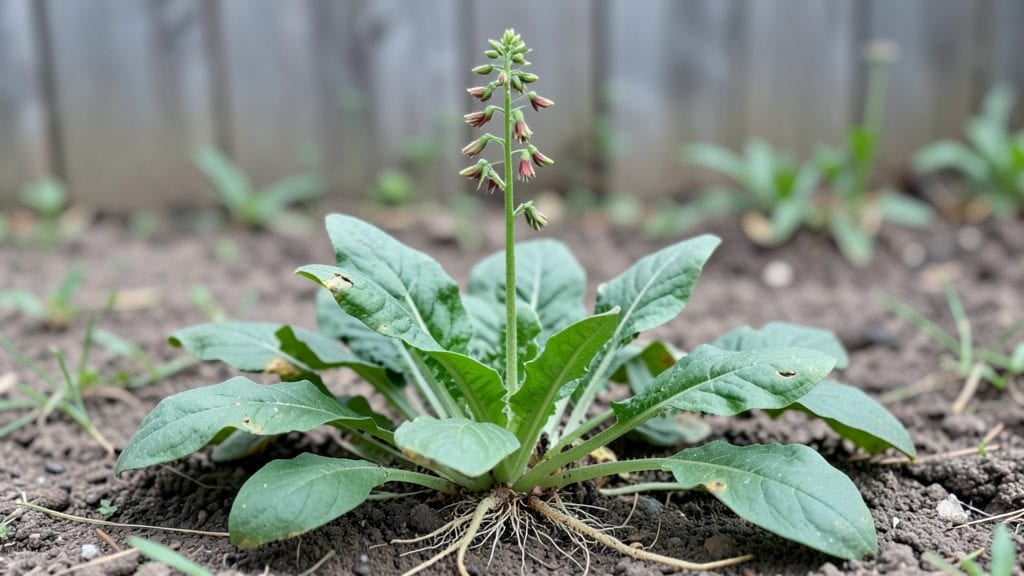
Sorrel behaves like a semi-perennial in most regions, meaning it won’t survive winter above ground but returns reliably each spring from its robust root system. Cold tolerance varies by cultivar, with some handling frost down to 10°F while others struggle in even mild freezes.
This behavior sets sorrel apart from true perennials like asparagus, which regrow from crowns year-round.
Instead, sorrel’s roots act like a biological reset button—dormant in winter but capable of sending up fresh leaves when temperatures rise. 💛 The key to success lies in protecting those roots: thick mulch or row covers can push survival limits in marginal climates, while well-drained soil prevents rot during wet winters.
What throws many gardeners off is sorrel’s tendency to bolt (flower and go to seed) when stressed by heat or drought—this often happens before winter even arrives.
That’s why I recommend treating it like a semi-perennial: harvest heavily in early spring, then let it recover for a second flush in fall before cold sets in.
💡 In This Article
- Sorrel’s Growth Cycle: How It Survives Winter
- Best Practices for Growing Sorrel as a Semi-Perennial
Sorrel’s growth cycle: how it survives winter
Here's what's actually happening underground when sorrel "dies back": its thick, fleshy roots (called rhizomes) enter a state of dormancy triggered by consistent temperatures below 40°F.
Unlike true perennials like rhubarb, which store energy in woody crowns, sorrel's roots contain concentrated sugars that act as natural antifreeze, preventing cellular damage down to 10-15°F for hardy varieties.
This is why you'll often see sorrel plants looking crispy and brown above ground while their roots remain perfectly viable below.
The key difference from annuals comes down to root structure: sorrel develops a deep taproot system (up to 12 inches) that stores enough energy to regenerate new shoots when soil temperatures reach 45°F in spring.
Compare this to spinach (a true annual), which would need to be replanted entirely each year. Sorrel's roots also produce auxin hormones during dormancy, which suppress shoot growth until environmental conditions are optimal—a survival mechanism shared with some perennials like strawberries but not as robust as true hardy plants.
What triggers regrowth isn't just temperature—it's the combination of chilling hours (typically 300-500 hours below 40°F) followed by moisture. This is why sorrel often greens up earlier than kale in spring: its roots are primed to respond to even slight soil warming.
The process begins with root tips sensing moisture, then producing new meristem cells that push upward through the soil. This explains why well-mulched sorrel beds often emerge 2-3 weeks before unprotected plants in the same climate zone.
One common misconception is that all sorrel behaves identically—varieties like 'French' sorrel handle -5°F with proper protection, while 'Wood' sorrel may struggle above 20°F. The difference lies in their native habitats: European sorrels evolved with milder winters, while North American species developed thicker root insulation.
This genetic variation means gardeners in Zone 5 can successfully overwinter sorrel with 6+ inches of straw mulch, while Zone 7 growers might see it persist year-round with minimal protection.
Interestingly, sorrel's winter survival strategy shares similarities with some weeds—its ability to regenerate from minimal root fragments explains why it can persist even when "killed" by frost. This resilience makes it an excellent candidate for forest-edge gardening, where it can take advantage of natural winter protection from fallen leaves.
The trade-off? Its semi-perennial nature means it requires more careful management than true perennials but offers more reliability than annuals in marginal climates.
For visual learners, imagine sorrel's growth cycle as a three-act play: Act 1 (spring) is rapid above-ground growth, Act 2 (summer) is controlled harvest to prevent bolting, and Act 3 (winter) is the root system's quiet preparation for renewal.
This cyclical pattern is what gives sorrel its reputation as a "self-seeding perennial"—though technically, it's the roots doing all the heavy lifting while the above-ground parts take a seasonal vacation. ✨