
Flowers
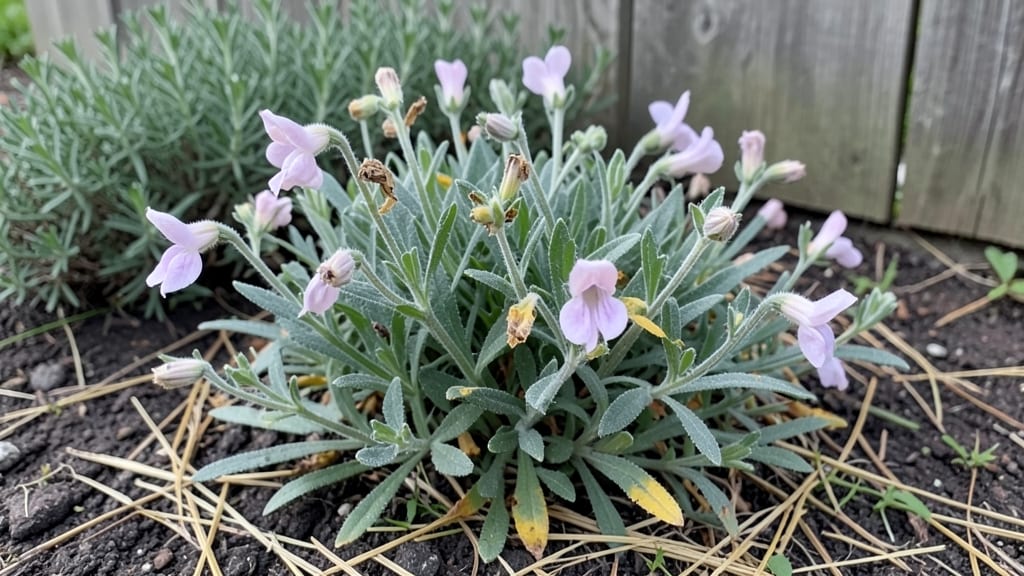
Nemesia isn't a true perennial in most regions but behaves as an annual or short-lived tender perennial, thriving primarily in frost-free zones like USDA 10-11 where it may self-seed or persist through mild winters.
This delicate flower's lifespan hinges entirely on your climate.
In colder zones (USDA 9 and below), nemesia typically dies back with the first frost, only to return from self-sown seeds the following spring. 🌱 The key to extending its life lies in protecting its roots—mulching heavily in fall or bringing potted plants indoors before temperatures drop below 40°F can preserve the plant for another season.
Even in frost-free areas, most varieties only last 2-3 years before their vigor declines, making them more of a seasonal showstopper than a long-term garden staple.
What sets nemesia apart is its adaptability—whether you're growing it as a container plant on a patio or letting it naturalize in a sunny border, its ability to reseed means you'll rarely need to replant.
Just remember: the moment frost threatens, this tender beauty needs shelter or it won't return. That's why gardeners in marginal zones often treat it like an annual despite its potential for self-seeding persistence.
💡 In This Article
- Nemesia Plant Lifespan by Climate Zone
- Extending Nemesia’s Life as a Houseplant or Container Garden
Nemesia plant lifespan by climate zone
Nemesia's survival hinges on temperature thresholds—its roots can't tolerate freezing, with damage occurring at 32°F or below. In USDA zones 9-11, where winters rarely dip below 20°F, nemesia often behaves like a short-lived perennial, returning year after year from the same root system.
The key difference? In colder zones (USDA 8 and below), the entire plant typically dies back to soil level, leaving only seeds to carry it through winter. 🌿
Here's the science: nemesia's taproot system is shallow (typically 6-12 inches deep) and lacks cold-hardening mechanisms found in true perennials like lavender. When temperatures drop to 40°F for extended periods, cellular membranes in the roots begin to rupture, cutting off nutrient flow.
Even a light frost (30°F) can kill foliage, but the roots may survive if protected—this is why mulching with 4-6 inches of straw or leaves can make the difference between annual and perennial behavior.
Self-seeding becomes nemesia's survival strategy in colder climates. A single plant can produce 50-100 seeds per flower spike, which germinate eagerly in spring. This explains why gardeners often see "volunteer" nemesia popping up year after year without replanting.
The trade-off? These seedlings may not inherit the parent plant's exact traits, leading to potential variation in flower color or size over generations. 🌸
In frost-free zones, nemesia's lifespan extends through root preservation. Plants in USDA 10-11 can live 2-3 years before their vigor declines due to accumulated stress or disease pressure.
The secret to prolonging this is consistent moisture (nemesia hates soggy roots) and deadheading spent blooms to redirect energy to root growth rather than seed production. Even in ideal conditions, most varieties eventually succumb to fungal issues or become woody at the base after 3-4 years.
Mulching strategies vary by region: in zone 9, a 3-inch layer of mulch may suffice, while zone 8 gardens need 6 inches plus frost blankets during cold snaps. The mulch acts like a thermal blanket, maintaining soil temps above 40°F—the critical threshold where nemesia roots begin to suffer.
For container-grown nemesia, moving pots to unheated garages (where temps stay 35-45°F) can preserve the plant for another season, though growth will stall until spring warmth returns.
What most gardeners don't realize is how nemesia's growth habit changes with climate. In colder zones, it grows more compactly (12-18 inches tall) to conserve energy, while tropical varieties can stretch to 24 inches when given ideal conditions.
This adaptation explains why nemesia from USDA 11 nurseries may struggle in zone 9—its genetic programming expects longer growing seasons. 🌡️