
Aphids
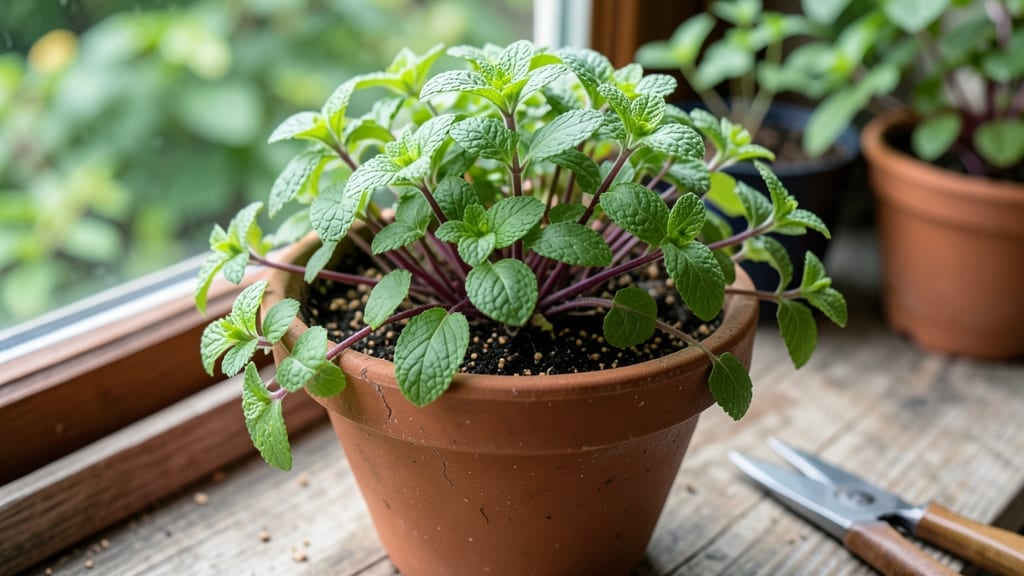
Mojito mint is not a true perennial in most climates—it thrives as an annual or tender perennial in USDA zones 10-11, dying back in colder temperatures but often regrowing from roots if protected or replanted each spring.
Mojito mint's botanical name, Mentha × villosa, reveals its delicate nature—it's a hybrid that struggles with freezing temperatures. 🌱 Unlike hardy perennials like spearmint, which survive winters in zones 3-9, mojito mint's roots may survive brief cold snaps but typically die back completely in frost.
The key to keeping it alive year-round lies in understanding its tender perennial status: while it won't survive harsh winters outdoors in most regions, its roots can persist in protected microclimates or containers, allowing regrowth when conditions warm again.
For gardeners in cooler zones, this means treating mojito mint like a seasonal plant that can be revived each spring. The good news? Its vigorous root system makes it easier to propagate than many herbs—simply replant cuttings or divide existing plants in early spring to restart your mojito garden.
This adaptability is why many chefs and home growers keep it around despite its non-perennial status.
💡 In This Article
- Mojito Mint’s Growth Cycle and Cold Tolerance Limits
- How to Overwinter Mojito Mint in Cold Climates
Mojito mint’s growth cycle and cold tolerance limits
Here's what sets Mentha × villosa apart botanically: unlike true perennials like spearmint (Mentha spicata), which develop deep, woody rhizomes that survive -20°F winters, mojito mint has a more delicate root structure.
Its hybrid nature makes it semi-hardy—capable of regrowing from roots if temperatures dip only to 25-30°F for short periods. This is why it thrives in USDA zones 10-11 as a true perennial, but acts as an annual in colder regions where frost penetrates deeper.
The key difference lies in its growth habit: mojito mint produces fibrous, non-woody roots that store minimal starch reserves compared to hardy mints. When temperatures drop below 20°F, these roots often die back completely, unlike spearmint's thick, insulated rhizomes that can regenerate even after severe cold.
The plant's above-ground growth also differs—mojito mint's broad, velvety leaves (up to 3 inches long) are more frost-sensitive than the narrower, tougher leaves of peppermint.
What most gardeners don't realize is how moisture levels affect survival. Mojito mint's roots require consistently damp soil to regenerate after cold stress. In zones 8-9, gardeners can sometimes coax regrowth by mulching heavily (4-6 inches of straw) and protecting with burlap wraps during winter.
The plant's ability to regrow from even small root fragments (as little as 1 inch) makes it more resilient than its appearance suggests.
Compare this to spearmint's 50°F winter survival threshold—mojito mint's roots typically fail at 25°F without protection. This is why professional growers in zone 7 often treat it as an annual, replanting from cuttings each spring.
The plant's rapid growth rate (up to 12 inches per month in ideal conditions) makes this strategy practical, though it requires more maintenance than hardy perennial mints.
Interestingly, mojito mint's cold sensitivity actually enhances its flavor profile. The plant develops more intense citrusy, lime notes when grown in warmer climates, while cooler conditions produce milder, sweeter leaves.
This is why commercial mojito mint for cocktails is typically grown in Florida or California, where temperatures rarely drop below 30°F. The trade-off between hardiness and flavor makes it a fascinating plant for gardeners who love experimentation.
For those in zones 5-7, the solution lies in container cultivation. Mojito mint thrives in 10-12 inch pots that can be moved indoors before frost, where its roots can survive 50°F temperatures with proper care.
This container method preserves the plant's delicate root structure while allowing year-round regrowth—a strategy that turns what appears to be a seasonal herb into a renewable resource.