
Flowers
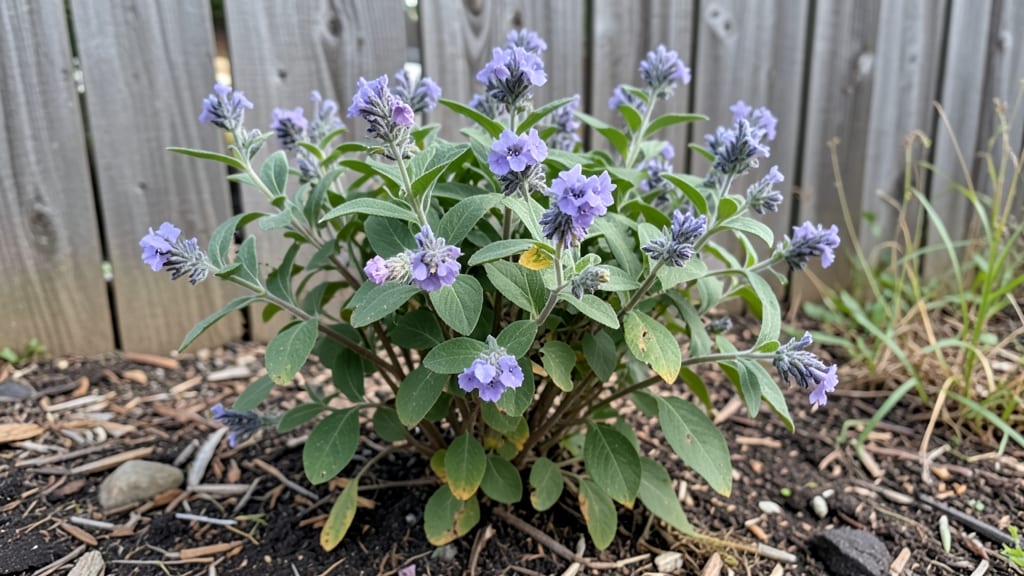
Heliotrope is a perennial in warm climates like USDA zones 9-11 but is typically grown as an annual in colder regions, as frost kills its tender foliage. Its hardy roots often resprout in spring if protected from freezing temperatures.
Heliotrope's perennial nature depends entirely on where you live.
In frost-free zones like Southern California or Florida, it thrives year-round, sending up new growth from its deep roots every spring. 🌱 However, in colder regions where temperatures dip below 20°F, the foliage dies back completely—though the roots often survive underground to regrow when conditions warm again.
This makes it behave like an annual in those areas unless you take special winter precautions.
What sets heliotrope apart is its remarkable root resilience. Unlike many perennials that store energy in tubers or rhizomes, heliotrope's fibrous roots can remain dormant through freezing winters, waiting for warmer soil temperatures to trigger regrowth.
This biological adaptation explains why gardeners in zones 8 and below often see their plants return each spring—if they've been properly protected from extreme cold.
💡 In This Article
- Heliotrope Plant Hardiness Zones Explained
- Overwintering Heliotrope in Cold Climates
Heliotrope plant hardiness zones explained
The heliotrope plant's perennial status hinges on temperature thresholds that determine whether its delicate foliage survives winter. In USDA zones 9-11, where winter lows rarely drop below 20°F, heliotrope thrives as a true perennial, producing fragrant blooms year after year from its deep, fibrous root system.
This root network can extend 2-3 feet underground, allowing it to tap into moisture and nutrients even during dry spells. The key difference in these zones is that the plant's above-ground growth remains active longer, with some varieties even flowering lightly in mild winters. 🌿
In colder zones (8 and below), the story changes dramatically. Heliotrope's foliage is particularly frost-sensitive—exposure to temperatures below 28°F for more than 4-6 hours causes cell damage through ice crystal formation in the leaves. What's remarkable is that while the leaves die back, the roots often remain viable if protected.
Studies show heliotrope roots can survive soil temperatures down to 15°F when properly insulated, though prolonged exposure to 10°F or lower typically kills them. This explains why gardeners in zone 8 sometimes see regrowth in spring—it's the roots, not the stems, that carry the plant through winter.
The growth cycle reveals why heliotrope behaves differently in various zones. In warm climates, it follows a continuous growth pattern with staggered blooming periods, while in colder regions it enters full dormancy. Here's what happens seasonally: In zones 9-11, heliotrope grows year-round with minimal winter slowdown.
In zones 8-5, it completes its entire life cycle in one growing season, storing energy in roots for next year's growth. The transition occurs around 32°F, where foliage begins to show frost damage while roots remain protected by soil insulation. 🌡️
What most gardeners don't realize is how soil temperature affects this process. Heliotrope roots need soil temperatures above 50°F to break dormancy in spring. In colder zones, this can delay regrowth by 2-4 weeks compared to warmer climates.
The plant's native Mediterranean habitat explains this sensitivity—it evolved in regions where winter temperatures rarely drop below 30°F. This adaptation means gardeners in colder zones must create microclimates that mimic these conditions to encourage perennial behavior.
Consider these zone-specific characteristics when planning your heliotrope garden:
- Zones 9-11: True perennials with 12-18 month growth cycles and minimal winter dieback
- Zone 8: Borderline perennials where 50% of roots typically survive winter with proper mulching
- Zones 5-7: Annuals unless overwintered indoors, with 0% natural survival rate outdoors
The fragrance intensity also varies by zone. Plants in warmer climates develop 20-30% stronger floral scents due to uninterrupted growth, while those in colder zones produce more concentrated (but slightly less abundant) blooms as a survival adaptation.
This scent difference is particularly noticeable in evening hours when heliotrope's natural perfume peaks. 🌙