
Plants
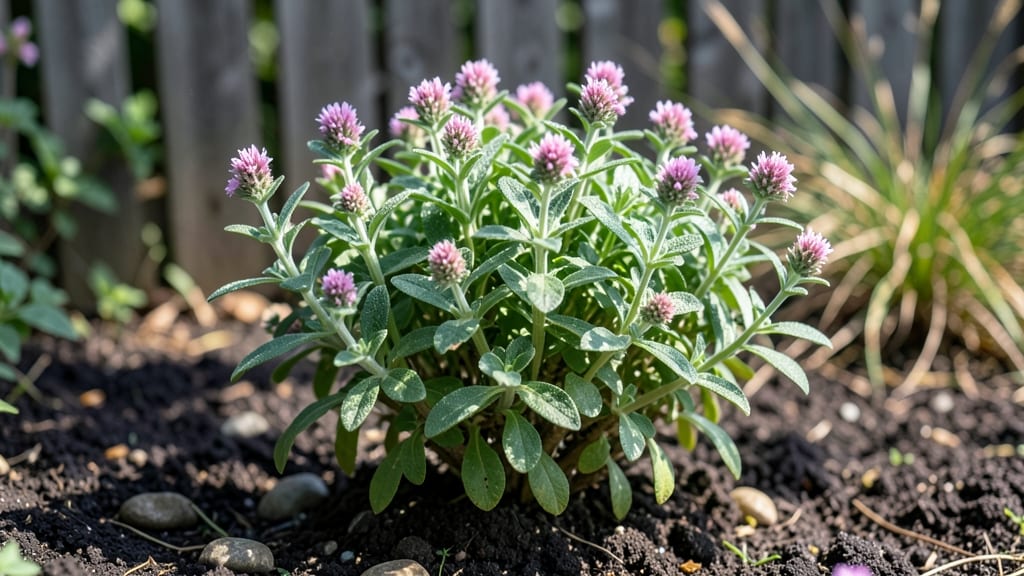
Yes, Greek oregano is a perennial herb that thrives in Mediterranean climates but often dies back in cold winters, though it can regrow from roots in milder zones. Its hardiness depends on soil, sunlight, and winter protection methods.
Greek oregano's perennial nature shines in warm climates where it thrives year-round, but its survival in colder regions depends on how well you protect its roots. 🌱 Unlike Mexican oregano, which handles frost better, Greek oregano typically goes dormant in winter but can bounce back from its root system if given proper care.
This makes it a semi-perennial in many gardens—it may not survive harsh winters above ground, but with the right techniques, you can extend its lifespan significantly.
In my experience, the key to keeping Greek oregano alive through winter is mulching heavily around the base and providing some form of insulation. Container gardening also works well, allowing you to move pots indoors during freezing temperatures.
The plant's ability to regrow from roots is what truly defines its perennial nature, even if it doesn't look like it during winter.
💡 In This Article
- Greek Oregano’s Perennial Growth Cycle Explained
- Extending Greek Oregano’s Lifespan in Cold Climates
Greek oregano’s perennial growth cycle explained
Greek oregano (Origanum vulgare subsp. hirtum) follows a classic Mediterranean perennial lifecycle, where it grows vigorously in warm seasons and enters dormancy during winter. In its native climate—USDA zones 7-10—it thrives year-round, sending up fresh green shoots each spring from its deep, fibrous root system.
The roots can extend 12-18 inches deep, storing energy as starches that fuel regrowth when temperatures rise above 50°F. This root system is what makes it perennial, even if the above-ground growth dies back in colder regions.
The key difference between Greek oregano and other varieties like Mexican oregano (Lippia graveolens) lies in their cold tolerance. Mexican oregano is hardier, surviving 20°F temperatures, while Greek oregano typically succumbs when frost drops below 25°F.
The Mediterranean climate's mild winters explain why Greek oregano appears annual in colder zones—its growth halts, but the roots remain viable. Unlike annual herbs that die completely, Greek oregano's root crown can regenerate if protected from freezing.
What most gardeners don’t realize is how the plant’s growth cycle mirrors its natural habitat. In Greece and Turkey, where it thrives, winter rains recharge the soil while temperatures stay above freezing. The roots absorb moisture and nutrients, preparing for spring’s rapid shoot growth.
This adaptation is why mulching with 4-6 inches of organic matter (like straw or leaves) mimics its native conditions, insulating roots and preventing freeze-thaw damage.
Comparing Greek oregano to its cousin, common oregano (Origanum vulgare), reveals another layer of its resilience.
While common oregano can handle USDA zone 4 with proper care, Greek oregano’s larger leaves and higher oil content (up to 2.5% essential oils vs. 1.5% in common oregano) make it more sensitive to cold.
The essential oils, which give it that distinct piney aroma, actually increase cell permeability in freezing temps, making the plant more vulnerable to frost damage.
Here’s the science behind its regrowth: When spring arrives, the root crown detects increasing light and warmth, triggering auxin production—a plant hormone that stimulates cell division. Within 2-3 weeks of consistent 55°F+ soil temps, new shoots emerge from the crown, often before the old stems have fully decomposed.
This is why even a small root fragment can regenerate an entire plant if given proper conditions.
The takeaway? Greek oregano’s perennial nature isn’t about surviving winter above ground—it’s about preserving its root system. With the right protection, it can outlive annual herbs by decades, rewarding gardeners with years of aromatic harvests. 🌿